





Definition and Meaning
"Form online" refers to the digital format of forms that individuals and businesses can fill out using the internet, rather than relying on traditional paper copies. These forms can range from simple contact information sheets to complex legal documents. One distinct advantage of opting for an online form is the convenience it offers, allowing users to access, complete, and submit forms from virtually any location with internet connectivity. Furthermore, these forms are often designed for ease of use, providing prompts and validations to ensure that all necessary fields are sufficiently completed before submission. The digitization of forms enhances efficiency, as it reduces the manual labor associated with paper handling and minimizes errors resulting from illegible handwriting or misplaced paperwork.
How to Use the Form Online
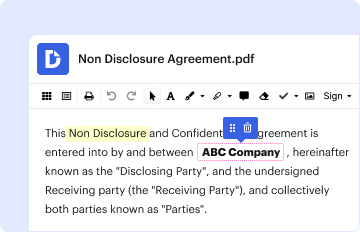
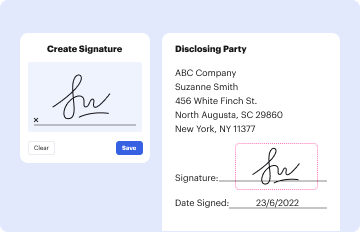
Using an online form typically involves a straightforward process that can be completed in a few steps. First, access the form by opening it through a web link or downloading it from a relevant website. Once open, users can navigate through the form's fields and input required information directly into the provided fields using a keyboard. Many online forms are equipped with features such as dropdown menus, checkboxes, and radio buttons to simplify entry. Before submission, review the form to ensure accuracy and completeness. Some online platforms, like DocHub, provide additional functionalities such as editing tools and electronic signature applications, which further streamline the process of completing and submitting forms electronically.
Common Features of Online Forms
- Fillable Fields: Enable precise data entry without the need for manual writing.
- Validation Tools: Ensure correct information format, such as verifying email addresses or phone numbers.
- Auto-save Functionality: Prevents data loss in case of accidental closures or disconnections.
Steps to Complete the Form Online
Completing a form online can be broken down into methodical steps designed to ensure both accuracy and security:
- Access the Form: Navigate to the web page where the form is hosted or download it directly to your device.
- Read Instructions Carefully: Review any guidelines provided at the beginning of the form to understand requirements and expectations.
- Enter Information: Fill out fields accurately, utilizing dropdowns, checkboxes, and radio buttons where applicable.
- Review Entries: Before submission, verify all entered data for errors or omissions.
- Submit the Form: Complete the form process by selecting the submit button. Ensure you receive confirmation of submission or save a copy for your records.
Practical Tips for Online Form Completion
- Use a Stable Internet Connection: Reduces the risk of losing information during submission.
- Keep Reference Documents Handy: If additional data from external documents is needed, having them nearby can speed up the process.
Legal Use of the Form Online
Utilizing online forms often involves legal implications, especially if the form pertains to contracts, tax filings, or legally binding agreements. Platforms like DocHub ensure that online forms remain compliant with relevant legislation. For instance, electronic signatures collected through online forms are recognized under the ESIGN Act in the United States, making them as legally binding as traditional handwritten signatures. Furthermore, encrypted transmission methods and secure servers are employed to protect sensitive information, which is crucial for maintaining compliance with privacy regulations.
Situations Requiring Legal Compliance
- Business Contracts: Ensure both parties understand and agree to terms via online forms.
- Government Filings: Tax forms and regulatory submissions often have specific requirements for validity.
Key Elements of the Form Online
Online forms contain several key components to facilitate smooth interaction and data collection. At their core, they include fields for data input, which might vary in format depending on the type of information solicited. Typical elements include text fields for entering information manually, selection boxes for choosing predefined options, and date pickers for selecting specific dates. Essential features also incorporate the ability to attach supporting documentation and user authentication to maintain security and trust in the submitted data.
Examples of Key Elements
- Input Fields: Spaces for entering personal information, such as name and address.
- Attachments: Allow users to upload documents necessary for form completion.
- Captchas: Protect against automated submissions, securing the authenticity of entries.
Benefits of Forming Online
The transition to online forms presents numerous advantages over traditional paper-based methods, particularly in terms of efficiency and accessibility. Online forms eliminate the necessity for physical storage and the delays associated with postal submissions. This eco-friendly approach also minimizes paper consumption. Additionally, online forms often incorporate user-friendly interfaces that enhance usability and reduce user errors through guidelines and real-time feedback during the input process.
Highlights of Online Form Advantages
- Cost-Effectiveness: Savings on printing and postage fees.
- Time Efficiency: Immediate processing and feedback accelerate completion times.
- Easy Updates: Modifications or corrections can be implemented without necessity for reprinting.
State-Specific Rules for the Form Online
Depending on the jurisdiction, there might be unique regulations governing the use and submission of online forms. These can vary significantly from state to state, affecting aspects such as eligibility criteria, submission deadlines, and validation standards. For instance, real estate documents like the Real Estate Purchase Contract (REPC) in Utah must comply with specific local laws. It is crucial for users to familiarize themselves with any geographic-specific requirements that might impact the legality and acceptance of their submissions.
Navigating State Variations
- Understanding Local Regulations: Before submission, research legal obligations in your state.
- Compliance with Deadline: Ensure timely submission by being aware of local cut-off dates.
Software Compatibility
Many online forms are designed to integrate seamlessly with popular software applications, making it easier to manage, edit, and store these documents. Platforms like DocHub offer compatibility with software suites such as Google Workspace, ensuring that forms can be accessed and modified directly from associated applications like Google Drive and Gmail. Compatibility with accounting and tax software—such as TurboTax or QuickBooks—further aids users in filing forms efficiently by allowing data to be directly imported or exported, enhancing productivity and reducing manual errors.
Compatible Software Solutions
- DocHub & Google Workspace: Streamlined access and sharing via integrated applications.
- Accounting Software: Direct form imports simplify tax preparation and business accounting tasks.