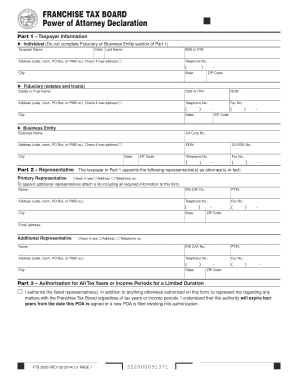
Definition & Purpose of the Agrani Bank RTGS Form
The Agrani Bank RTGS form is a standardized document used to facilitate Real-Time Gross Settlement (RTGS) transactions. RTGS is a system where funds transfer occurs continuously and in real-time, on a transaction-by-transaction basis, without netting. This form is vital for high-value transactions, typically used by financial institutions to ensure a quick and secure transfer of large sums of money between banks.
- Key Function: Allows for the settlement of payments on an individual basis.
- Use Case: Ideal for urgent and significant payments, reducing the risk of default since settlement in real time diminishes settlement risk.
- Advantages: Ensures immediate clearing and more extended operational hours compared to other settlement methods.
How to Use the Agrani Bank RTGS Form
To effectively use the Agrani Bank RTGS form, familiarity with its sections and requirements is crucial. Users must provide accurate and complete information to prevent delays or rejections in processing.
- Begin with personal or institutional information: This includes details such as the name, address, and bank account details.
- Enter transaction specifics: Clearly specify the amount to be transferred and the currency.
- Recipient bank details: Essential for routing the transaction correctly, including the branch name and RTGS-enabled code.
- Authorization: The final section requires a signature from the account holder for legal authorization of the transaction.
Practical Tips
- Double-check all entries for accuracy.
- Ensure the recipient's bank is RTGS-enabled.
- Consider contacting Agrani Bank for guidance if unsure about any section.
Obtaining the Agrani Bank RTGS Form
Accessing the Agrani Bank RTGS form can be straightforward if you follow these steps.
- Bank Branch Visit: Obtain a physical copy directly from any Agrani Bank branch.
- Online Download: Access the form via the Agrani Bank official website if available.
- Request by Mail: Contact the bank's customer service for a mailed copy, though this may take longer than other methods.
Considerations
- Ensure you have the most recent version of the form.
- Verify that both paper and online versions are identical to avoid discrepancies.
Steps to Complete the Agrani Bank RTGS Form
Completing the form involves some critical steps to ensure accuracy and compliance.
- Fill in personal data: Ensure you provide precise personal or institutional information.
- Detail the payment specifics: Clearly indicate the transaction amount and attach any required supporting documents.
- Specify beneficiary details: Include the correct account number and RTGS code of the recipient.
- Verify and sign: Review the details thoroughly before signing to authorize the transaction.
- Submission Methods: Completed forms can be submitted directly at a bank branch or electronically if supported.
Common Scenarios
- Paying for large-scale goods or services.
- Urgent interbank fund transfers for loan settlements.
Key Elements of the Agrani Bank RTGS Form
Understanding the critical components ensures efficient form use.
- Account Holder Information: Details about the initiator of the transaction.
- Transaction Amount and Currency: Exact figures for the transfer.
- Beneficiary’s Bank Details: To ascertain funds are credited to the correct recipient.
- Signature Section: Mandatory for authorization and to uphold the transaction's legality.
Importance
- Ensures transparent transactions.
- Facilitates compliance with banking regulations.
Legal Use of the Agrani Bank RTGS Form
The legal framework surrounding the use of the Agrani Bank RTGS form is essential for ensuring compliance and validity.
- Adherence to Banking Laws: Transactions must conform to national banking regulations.
- Proof of Transaction: Legally binding documentation that can serve as proof in disputes.
- Confidentiality Obligations: Users must ensure the privacy of personal and financial details.
Legal Binding Aspects
- Written authorization is a must.
- Regulatory compliance is non-negotiable for legality.
Digital vs. Paper Version
Choosing between digital and paper forms depends on user needs and accessibility considerations.
- Digital Form: Accessible and efficient, allowing for quicker edits and submission.
- Paper Form: Meets requirements where internet access is limited or traditional methods prevail.
Comparison Criteria
- Accessibility: Digital forms offer agility, but paper forms are reliable in regions with limited digital infrastructure.
- Storage and Archiving: Digital forms are easier to store but ensure robust digital security protocols.