
Guaranteed maximum price contract template 2026

Get Form
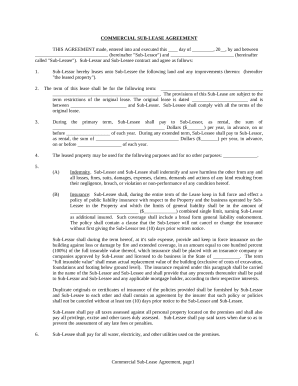
guaranteed maximum price contract template Preview on Page 1

Here's how it works

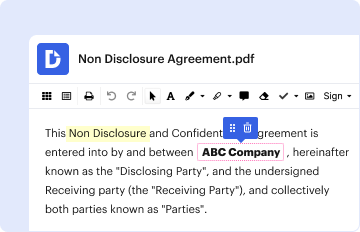
01. Edit your guaranteed maximum price contract template online
Type text, add images, blackout confidential details, add comments, highlights and more.
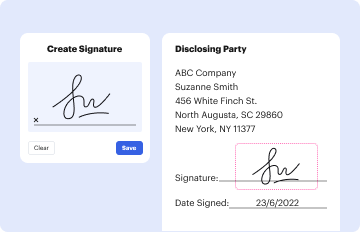
02. Sign it in a few clicks
Draw your signature, type it, upload its image, or use your mobile device as a signature pad.
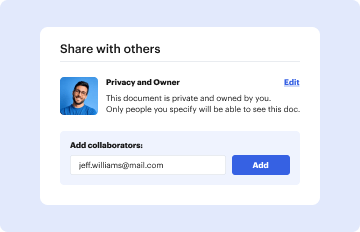
03. Share your form with others
Send guaranteed maximum price contract template via email, link, or fax. You can also download it, export it or print it out.

Definition & Meaning

The Guaranteed Maximum Price (GMP) contract template is a critical component in construction management that defines the maximum price a client agrees to pay for a project, inclusive of fees and costs. The GMP serves to cap the expense, ensuring that the client is protected from cost overruns beyond the agreed-upon maximum. Contractors are incentivized to manage resources efficiently as any costs exceeding the GMP are typically absorbed by them unless there is a contractually agreed change.

How to Use the Guaranteed Maximum Price Contract Template

The GMP contract template provides structured guidance for drafting contracts specifying project scopes and financial limits. To effectively use the template:

  1. Define the scope: Clearly outline the project deliverables, materials, and timelines.
  2. Set the GMP: Determine and agree upon the maximum price, including potential costs and contractor fees.
  3. Review contractual obligations: Highlight necessary elements like liquidated damages, performance guarantees, and conditions for excess costs.
  4. Customize the template: Adjust sections to cater to unique project requirements or specific client needs, ensuring clarity in terms of legal obligations and expectations.

Steps to Complete the Guaranteed Maximum Price Contract Template

  1. Gather Necessary Information: Compile project details, including a comprehensive cost estimate and timeline.
  2. Outline Project Scope and Specifications: Describe the work involved, including materials, labor, and any special requirements.
  3. Determine Financial Components: Specify itemized costs that contribute to the GMP, including potential contingencies.
  4. Include Legal Provisions: Incorporate clauses related to penalties for delays, dispute resolution mechanisms, and insurance requirements.
  5. Collaborate with Stakeholders: Ensure all parties understand and agree to the terms before finalizing the document.
  6. Finalize and Sign: Conduct a thorough review to ensure accuracy before obtaining signatures from all involved parties.

Important Terms Related to Guaranteed Maximum Price Contract Template

  • Allowance: Pre-set amounts for specific work items or categories which are included in the GMP, with adjustments made based on actual costs.
  • Contingency: A reserved amount within the GMP to cover unexpected expenses; typically held by the contractor.
  • Change Order: A formal amendment to the contract, which may affect the GMP due to changes in scope or unforeseen issues.
  • Cost Savings: Any amount by which the actual project cost is lower than the GMP, often shared between the client and contractor as an incentive for efficient management.
  • Liquidated Damages: Predetermined damages agreed upon in the contract for specific breaches, such as failing to meet deadlines.

Legal Use of the Guaranteed Maximum Price Contract Template

Adhering to legal standards is imperative when using a GMP contract template:

  • Compliance with Statutory Requirements: Ensure the contract fits within state and federal regulatory frameworks.
  • Incorporation of Valid Clauses: Include enforceable clauses related to performance standards, warranties, and liabilities.
  • Adherence to Building Codes: Projects subject to a GMP must comply with local building codes and safety regulations.
  • Contract Law Observance: The agreement should meet all legal requirements for contract validity, including mutual consent and capability of parties.

Key Elements of the Guaranteed Maximum Price Contract Template

  • Scope of Work: Detailed description of the tasks and deliverables.
  • GMP Breakdown: A clear list of all costs constituting the maximum price.
  • Payment Schedule: Defined timeline and conditions for payments, often linked to project milestones.
  • Change Management Procedure: Established processes for handling changes to scope, schedule, and pricing.
  • Termination Clauses: Conditions under which the contract may be terminated, including penalties and obligations.

Business Types That Benefit Most from Guaranteed Maximum Price Contract Template

  • Real Estate Developers: Gain protection against cost overruns during large-scale residential or commercial projects.
  • Construction Management Firms: Ensure efficient cost and resource management within financial constraints.
  • Public Works Authorities: Utilize GMP contracts for transparency and fiscal planning in large infrastructure projects.
  • Architectural Firms: Support detailed cost analysis and project management through clear scope and financial parameters.

State-Specific Rules for the Guaranteed Maximum Price Contract Template

Different states may have varying requirements and standards for GMP contracts:

  • California: Projects must adhere to specific statutes regarding contractor fees and environmental compliance.
  • Florida: Emphasizes coastal building standards and hurricane preparedness within the project scope.
  • Texas: May require additional bonding and insurance provisions related to oil and gas infrastructure.
  • New York: Often involves union labor stipulations and higher penalties for delays in metropolitan projects.

Examples of Using the Guaranteed Maximum Price Contract Template

  • Educational Building Construction: A school district in Texas uses a GMP contract to manage budget constraints while upgrading facilities.
  • Healthcare Facility Expansion: A hospital in New York leverages a GMP contract to ensure project adherence to detailed environmental controls.
  • High-Rise Development: A real estate developer in California utilizes a GMP agreement to protect against seismic compliance costs.

Digital vs. Paper Version

In the modern digital age, using a paper version of the GMP contract is less common compared to digital alternatives. DocHub’s digital functionality offers enhanced features such as:

  • Ease of Access: Manage contracts from any device, with the ability to edit, sign, and secure them digitally.
  • Collaboration: Multiple users can work simultaneously on the document, ensuring efficient negotiations and updates.
  • Archiving and Retrieval: Digital contracts can be easily stored and retrieved, streamlining audit processes and eliminating physical storage needs.
be ready to get more

Complete this form in 5 minutes or less

Get form

Got questions?

We have answers to the most popular questions from our customers. If you can't find an answer to your question, please contact us.
Contact us
The contractor assumes a great deal of risk on GMP projects. Any miscalculations or unknown conditions that lead to cost overruns can dip into contractor profits. The project must be extremely well-defined for a GMP contract to work for the contractor. Scope changes can lead to disputes over additional expenses.
A lump-sum contract is when the price will be for a set amount regardless of what the contractors actual costs may be. In contrast, with a GMP contract, the owner pays the contractors actual costs plus the profit. The project costs are capped at the price maximum.
Another disadvantage of GMP construction contracts is that there is a possibility of disputes arising. The dispute may be about the project costs falling under the contract, especially for uncertain costs. Also, there can be a dispute for change orders as the contractor is the one who accounts for all project costs.
They also come with drawbacks, including uncertain pricing, a higher administrative workload, and a greater risk of disputes. Understanding the pros and cons is essential for both project owners and general contractors.
A guaranteed maximum price (also known as GMP, not-to-exceed price, NTE, or NTX) contract is a cost-type contract (also known as an open-book contract) such that the contractor is compensated for actual costs incurred plus a fixed fee, which is limited to a maximum price.

Security and compliance

At DocHub, your data security is our priority. We follow HIPAA, SOC2, GDPR, and other standards, so you can work on your documents with confidence.

Learn more
ccpa2
pci-dss
gdpr-compliance
hipaa
soc-compliance

People also ask

While lump sum contracts benefit from simplicity, they also present risks to both owners and contractors. Contractors may be incentivized to cut corners to stay under budget. May be on the hook for added costs due to change orders. Inaccurate estimating could cut into profit margin.
High Contractor Risk and Financial Pressure One of the biggest drawbacks of a GMP contract is the significant financial risk placed on the contractor. If actual construction costs exceed the agreed-upon guaranteed maximum price, the contractor must absorb the additional expenses, cutting into their profits.

Related links