Definition and Purpose of the National Rental Agreement
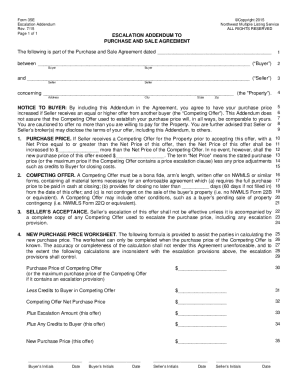
The national rental agreement serves as a legally binding document outlining the terms and conditions between a landlord and tenant. Typically used for residential properties, it stipulates various details, such as rent amount, duration of the rental period, and obligations of each party. This agreement ensures that both landlords and tenants are aware of their rights and responsibilities, fostering transparency and reducing the potential for disputes.
Importance of the National Rental Agreement
- Legal Protection: Provides a formal record that can be used in legal settings if disputes arise.
- Clear Terms: Stipulates precise terms for financial transactions, property use, and maintenance duties.
- Tenant and Landlord Responsibilities: Clarifies duties such as property upkeep, payment schedules, and damage reporting.
Steps to Complete the National Rental Agreement
Completing a national rental agreement involves several essential steps to ensure all required information is accurately captured.
- Gather Information: Collect necessary details, including parties' names, property address, rent amount, and lease duration.
- Review Terms: Both parties should carefully review rental terms, including any special conditions or clauses.
- Fill in Required Fields: Accurately complete all required sections, whether on a physical form or digital template.
- Sign and Date: Both the landlord and tenant must sign the agreement, confirming mutual consent.
- Document Storage: Parties should retain original copies for future reference.
Common Sections of the National Rental Agreement
- Personal Details: Includes names and contact info for both landlord and tenant.
- Financial Terms: Rent amount, payment dates, and any deposits required.
- Lease Duration: Specifies start and end dates or indicates a month-to-month agreement.
Key Elements of the National Rental Agreement
The national rental agreement comprises several critical components that need careful attention.
- Rent Payment Terms: Includes payment methods, due dates, and consequences for late payments.
- Maintenance and Repairs: Details responsibilities for property repairs and general upkeep.
- Termination Conditions: Outlines the process and requirements for ending the lease prematurely.
Additional Clauses
- Pet Policy: Rules governing pet ownership, deposits, and additional charges.
- Subletting Provisions: Conditions under which subletting may be allowed or prohibited.
Legal Use and State-Specific Rules for the National Rental Agreement
The national rental agreement must comply with state-specific laws and regulations. Each state may have unique requirements that influence certain terms within the agreement.
- State Legislation: Laws regarding security deposits, eviction processes, and landlord access vary by state.
- Required Disclosures: Certain states require landlords to disclose specific information, such as the presence of lead paint or recent property renovations.
Important Terms Related to the National Rental Agreement
Understanding key terms is crucial for both landlords and tenants when entering into a rental agreement.
- Security Deposit: A refundable sum paid to cover potential property damage.
- Lease Term: Refers to the duration the rental agreement is in effect, which could be fixed or month-to-month.
- Default: An event where a tenant fails to meet the rental conditions, potentially leading to eviction.
Examples of Using the National Rental Agreement
The national rental agreement is instrumental in a variety of rental scenarios.
- Residential Leasing: Individuals and families renting homes or apartments utilize this agreement to clarify living arrangements.
- Commercial Leasing: Businesses leasing office space or retail locations engage in agreements to define workspace terms.
- Shared Housing: In shared living situations, such as roommates, agreements lay out shared and individual responsibilities.
Case Studies
- Residential Tenant Case: An example wherein tenants and landlords avoid conflicts through clear agreement terms.
- Commercial Lease Example: A scenario demonstrating how businesses use rental agreements to maintain operational spaces.
Software Compatibility for Managing the National Rental Agreement
Modern technologies facilitate the management of rental agreements, both in creation and archiving.
- Digital Platforms: Solutions like DocHub enable electronic drafting, signing, and sharing of rental agreements.
- Integration with Cloud Services: Rental agreements can be stored and accessed through platforms such as Google Drive and Dropbox.
Benefits of Digital Management
- Accessibility: Easily access documents from various devices and locations.
- Security: Ensures confidentiality and integrity of documents through encryption and authentication.
By thoroughly understanding and implementing the above aspects, individuals engaging in rental agreements can ensure clearer communication and adherence to legal requirements. This comprehensive approach helps mitigate risks and provides a structured framework for all involved parties.