Definition and Purpose of Form W-9 Rev January 2009
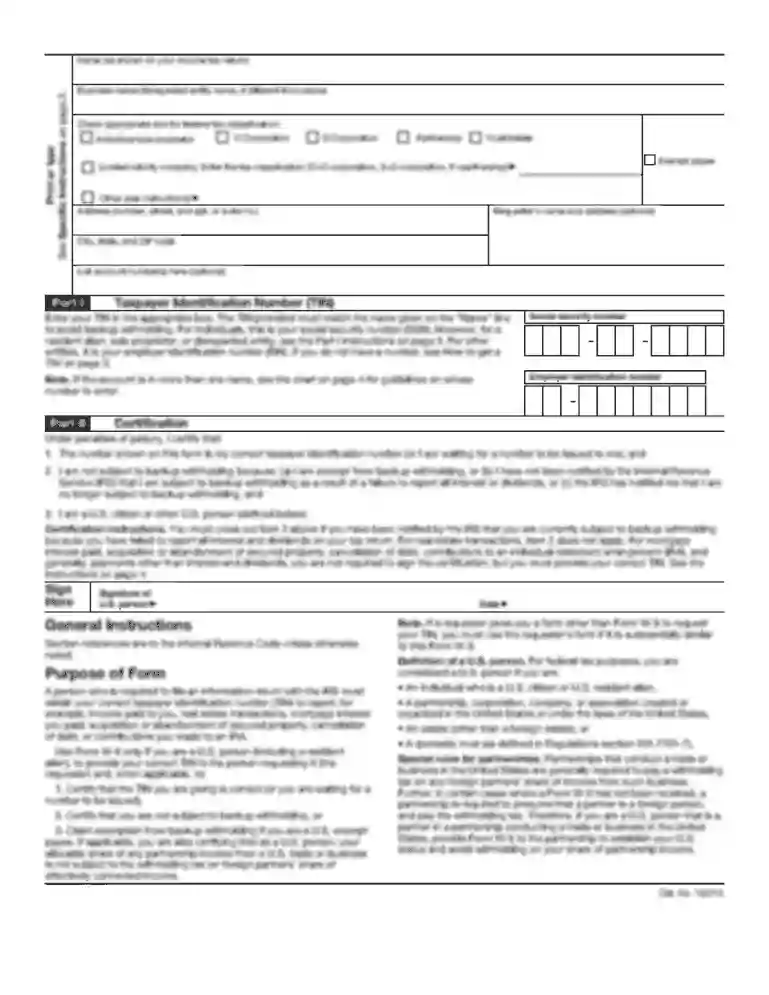
Form W-9, Rev January 2009, is a crucial document used by the IRS for tax purposes. Officially titled "Request for Taxpayer Identification Number and Certification," it is primarily utilized by U.S. persons, including resident aliens, to provide their correct TIN (Taxpayer Identification Number) to a person or organization that is required to file an information return to report, among other things, income paid to you, real estate transactions, or mortgage interest you paid.
- Taxpayer Identification Number (TIN): It can be a Social Security Number (SSN), Employer Identification Number (EIN), or Individual Taxpayer Identification Number (ITIN).
- Certification Requirement: By signing the form, the taxpayer certifies the number provided is correct.
- Information Reporting: Used for reporting income to the IRS, not for tax return filing.
Steps to Complete the Form W-9 Rev January 2009
Proper completion of the Form W-9 is essential. Follow these steps to ensure accuracy:
Part I: Name and Type of Entity
- Enter your full legal name.
- Specify your federal tax classification (e.g., individual/sole proprietor, partnership).
Part II: Address
- Provide your mailing address.
- This is where the recipient of the form may contact you.
Part III: Taxpayer Identification Number
- Enter your TIN: SSN for individuals, or EIN for business entities.
Part IV: Certification
- Review the certification statement.
- Sign and date the form.
Submit to Requester
- Provide the completed form to the entity requesting it.
Importance of Form W-9 Rev January 2009
The W-9 form plays a vital role in the U.S. tax system:
- Income Reporting: Facilitates proper reporting of income, ensuring taxpayers and the IRS receive accurate records.
- Backup Withholding: Prevents unnecessary backup withholding by providing the IRS with correct TIN information.
- Audit Trail: Offers a paper trail for income reported to you, which is beneficial during audits.
Legal Considerations for Form W-9 Rev January 2009
Understanding the legal framework surrounding Form W-9 is important:
- Privacy Concerns: Use secure means to transmit this form due to sensitive information.
- Legal Penalties: Failure to supply a TIN could result in penalties and backup withholding.
- IRS Guidelines: Follow IRS instructions carefully to ensure compliance and avoid errors.
Key Elements of Form W-9 Rev January 2009
The form consists of several critical components:
- Personal and Business Information: Accurate name and tax classification are necessary.
- TIN Verification: Ensures the legitimacy of taxpayer data for IRS records.
- Signature: Certifying the correctness of information is legally binding.
IRS Guidelines for Form W-9 Rev January 2009
The IRS has provided explicit guidelines to facilitate the proper use of Form W-9:
- Updates and Revisions: Ensure the form is the latest revision to comply with any regulatory changes.
- Instructions for Transmitting: While mailing is common, secure online services are increasingly popular for electronic TIN provision.
- Error Correction: Provide the requester with an updated W-9 if errors are identified post-submission.
Penalties for Non-Compliance with Form W-9 Rev January 2009
Failure to correctly submit Form W-9 can lead to substantial penalties:
- Incorrect TIN Penalties: Incorrect or missing TIN may incur a penalty of $50 for each failure.
- Backup Withholding: 28% of taxable payments may be withheld if a correct TIN isn’t supplied.
- Fines for Misrepresentation: Knowingly providing false information may lead to heavier fines or legal action.
Form Submission Methods
Submitting Form W-9 can be done through various channels, each offering different conveniences:
- Physical Mail: Traditionally reliable, though slower than digital options.
- Secure Online Portals: Increasingly common for those seeking speed and security.
- Direct Delivery: Handing it directly to the requester, suitable for in-person transactions.
Software Compatibility for Form W-9
Form W-9 can be integrated with various software systems to streamline the process.
- Accounting Software: Platforms like QuickBooks facilitate managing W-9 forms for business accounting needs.
- Tax Software: Services such as TurboTax utilize W-9 data for accurate tax preparation.
Business Types That Benefit Most from Form W-9 Rev January 2009
Different entities may derive specific advantages from using the form:
- Limited Liability Companies (LLCs): Reflects member structure for tax purposes.
- Corporations: Certifies the entity’s tax status and avoids unnecessary withholding.
- Partnerships: Ensures accurate reporting and compliance with IRS mandates.
By understanding these blocks of information, users can properly manage Form W-9 Rev January 2009, ensuring compliance and minimizing risks associated with reporting and withholding requirements.