




01. Edit your form online
Type text, add images, blackout confidential details, add comments, highlights and more.

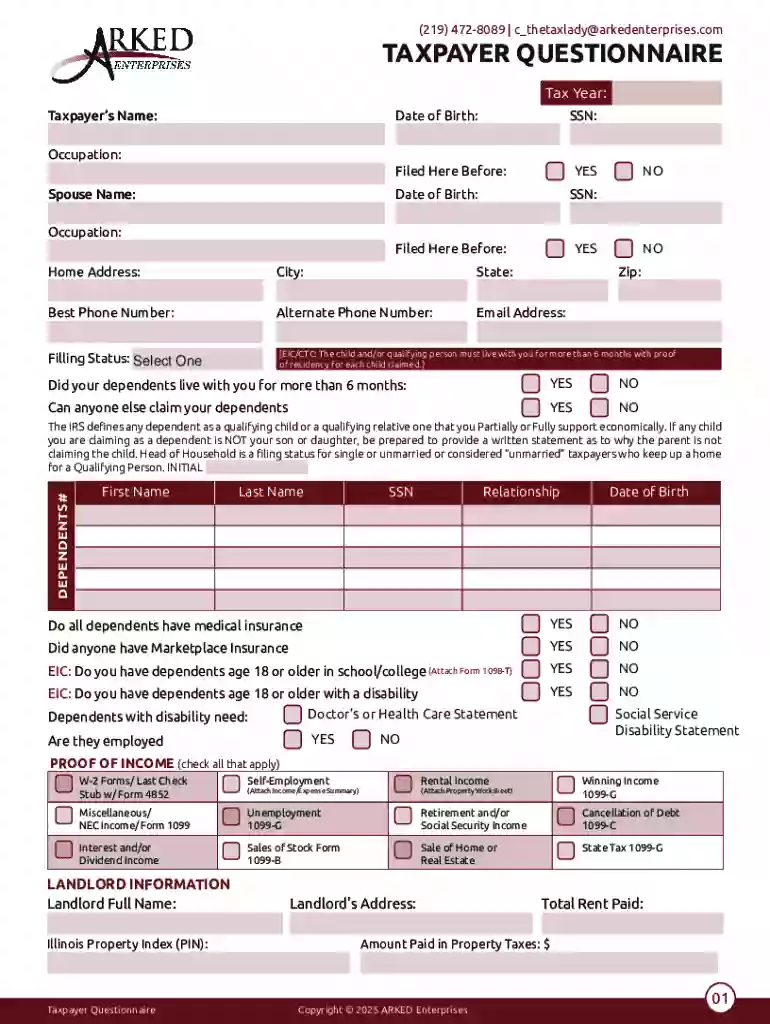
Type text, add images, blackout confidential details, add comments, highlights and more.

Draw your signature, type it, upload its image, or use your mobile device as a signature pad.

Send it via email, link, or fax. You can also download it, export it or print it out.
The "Profit and Loss - 2025" form serves as a comprehensive financial statement used by businesses to summarize revenues, costs, and expenses incurred during a specific period, typically over a fiscal year. This form is pivotal for determining a company’s financial performance, by calculating the net profit or loss for the stated period. It helps in assessing the company’s ability to generate sales, manage costs, and achieve profitability. Commonly utilized by accountants and financial departments, it guides decision-making by highlighting financial strengths and weaknesses.
Gather Financial Documents:
Record Revenue Information:
Calculate Cost of Goods Sold (COGS):
Itemize Operating Expenses:
Determine Non-operating Costs:
Compile and Review Total Figures:
Businesses across various sectors rely on the "Profit and Loss - 2025" to monitor financial performance. It is particularly beneficial for:


A retail clothing company uses the "Profit and Loss - 2025" to determine if the year’s sales objectives were met and to plan next year’s budget. Similarly, a non-profit organization may utilize the form to ensure funds were allocated appropriately and to make informed decisions about subsequent fundraising efforts.
By adhering to these detailed sections, you can effectively utilize the "Profit and Loss - 2025" to maintain a thorough and accurate financial record, essential for strategic business decisions and regulatory compliance.
We've got more versions of the Profit and Loss - 2025 form. Select the right Profit and Loss - 2025 version from the list and start editing it straight away!
At DocHub, your data security is our priority. We follow HIPAA, SOC2, GDPR, and other standards, so you can work on your documents with confidence.
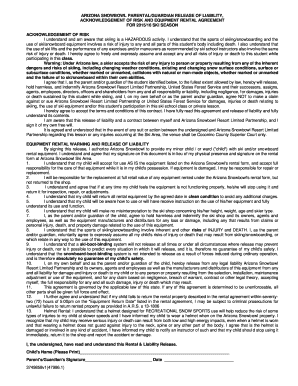



Fill in if you made any payments in 2025 that would require you to file Form(s) 1099. Fill in if you have any suspended PAL related to this schedule.Read more
Financial Highlights ; Revenue. 15,260. 14,622 ; Gross profit margin. 41.2%. 40.3% ; EBIT. 1,336. 1,270 ; Profit attributable to Owners of the Company. 1,198. 1,122.Read more
Feb 2, 2026 Example: Income statement (Year 2025). Revenue: $1,000,000. Cost of goods sold: $600,000. Gross profit: $400,000. Operating expenses:Read more


