





Definition and Meaning
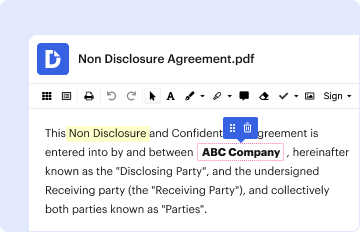
The term "form online" essentially refers to digital forms that are completed, submitted, and processed via the internet. In a professional context, it is a way to streamline workflows by moving paperwork from traditional paper formats into digital versions that can be accessed and filled out from any device with internet connectivity. This transition to online forms allows for greater efficiency in data collection and processing, significantly reduces manual paperwork, and is environmentally friendly.
Examples of Online Forms
- Tax Forms: Such as the IRS Form 1040, which individuals can now complete and file online through platforms like TurboTax.
- Application Forms: Job applications or university admission forms are commonly filled out online.
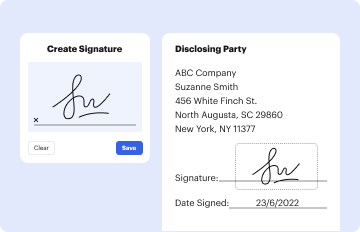
- Legal Documents: Contracts or agreements that require signatures can be completed using online form platforms.
Benefits of Online Forms
- Accessibility: Users can access and fill out forms from anywhere, at any time, improving convenience.
- Efficiency: Automatic data entry and processing reduce time spent on manual tasks.
- Cost-Effective: Reduces the need for printing, storage, and postage costs.
- Environmentally Friendly: Cuts down on paper use.
How to Use the Form Online
Utilizing an online form involves a few straightforward steps. Most platforms that support online forms provide a user-friendly interface that facilitates seamless navigation.
- Access the Form: Navigate to the specific platform hosting the form, such as DocHub or a relevant government website.
- Log In/Sign Up: Some forms require users to create an account or log in for tracking purposes.
- Fill Out the Necessary Fields: Input your personal information into designated fields. Most forms provide clear guidelines on required fields.
- Review the Completed Form: Ensure all information entered is accurate and complete.
- Submit the Form: Click the submit button to complete the process. Acknowledgment or a confirmation email usually follows this step.
Practical Example
Consider a small business owner applying for a tax credit. The owner can log into a platform like DocHub, find the required form, fill out the information concerning their income and credits, and submit it directly online, ensuring both compliance and efficiency.
Steps to Complete the Form Online
When completing a form online, a methodical approach can ensure accuracy and completeness. Here’s a detailed step-by-step guide:
- Read Instructions Carefully: Always start by reading the form instructions to understand the requirements and necessary information.
- Gather Required Information: Before starting, have all needed documents and information readily available.
- Fill Out Information As Required: Begin entering the data into the form, paying special attention to mandatory fields marked with an asterisk.
- Use Review Functions: Many platforms offer a 'review' feature where you can verify all filled information for errors or omissions.
- Save Your Progress: If available, periodically save your progress to avoid data loss.
- Complete and Submit: Once satisfied with the accuracy of your information, submit the form.
Common Pitfalls
- Missing Information: Forgetting to fill in required fields can lead to rejection.
- Incorrect Information: Typos or incorrect details can result in delays or need for resubmission.
- Failure to Attach Supporting Documents: Some forms require additional documentation, which must be uploaded.
Legal Use of the Form Online
Online forms are legally recognized as valid substitutes for their paper counterparts in many jurisdictions, including the U.S. The legality of online forms, especially concerning electronic signatures, is upheld by various laws such as the ESIGN Act, which provides electronic signatures the same legal standing as handwritten ones.
Key Legal Considerations
- Compliancy: Ensure the platform used complies with relevant federal and state laws concerning data privacy and electronic transactions.
- Authentication: Platforms like DocHub use secure authentication methods to ensure that the person filling the form is who they claim to be.
- Audit Trails: Maintain proof of submission through automatic audit trails that track changes and submissions.
Key Elements of the Form Online
When dealing with online forms, certain elements are crucial for ensuring proper functionality and usability:
- Field Types: Different types of fields like text boxes, dropdown menus, check boxes, and signature fields are fundamental.
- Responsive Design: Online forms should be compatible with various devices, ensuring they are accessible on desktops, tablets, and smartphones.
- Security Measures: Data protection through encryption and secure login methods is essential.
- User Instructions: Clear instructions provided at the beginning of the form can improve user experience and accuracy of submissions.
Software Compatibility
Online forms through platforms like DocHub offer compatibility with a multitude of software used for document management and editing. They easily integrate into existing systems, allowing seamless import and export of forms.
Supported Software
- Document Management Systems: Google Workspace (Drive, Docs), Dropbox, OneDrive.
- Tax and Financial Software: TurboTax, QuickBooks.
Compatibility with these software options allows users to manage and share forms within familiar platforms, enhancing overall efficiency.
Required Documents
When submitting forms online, it's essential to provide all required documents. These might include identification documents, financial statements, or previous tax returns, depending on the form's purpose.
Gathering the Necessary Documents
- Identify Requirements: Check the form instructions to determine what documents are needed.
- Document Verification: Ensure all documents are current and reflect the information being submitted.
- Upload Formats: Be familiar with the accepted file formats for uploads, such as PDF, DOC, JPG, or PNG.
Provision of complete and accurate documents reduces processing times and potential rejections.