





Definition & Meaning
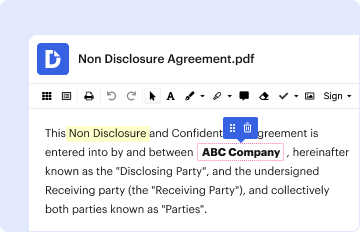
The concept of "form online" refers to the digital version of traditional paperwork used to collect information, process transactions, or confirm agreements digitally. These forms are often interactive and hosted on platforms like DocHub, allowing users to fill out, sign, and submit them electronically. Utilizing online forms increases efficiency by eliminating the need for physical paperwork, streamlining data collection, and ensuring accuracy through automatic validation of fields.
How to Use the Form Online
To effectively use an online form, start by accessing the form through a platform like DocHub. Ensure that your digital device is connected to the internet, as all interactions occur online. Follow these steps:
-
Access the Form: Navigate to the hosting platform's website, such as DocHub, and locate your desired form using the search function or browse categories.
-
Fill in Required Fields: Enter information in mandatory fields, typically marked by an asterisk. If a field is not applicable, see if the platform allows you to skip it or mark it as N/A.
-
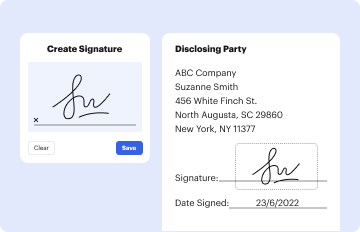
Add Digital Signatures: Use available tools to add your electronic signature. Options might include drawing with a mouse, typing, or uploading an image of your handwritten signature.
-
Review and Edit: Carefully review the filled form to ensure accuracy and completeness. Most platforms allow you to edit entries before submission.
-
Submit: Once satisfied, submit the form. Confirmation emails or notifications validate that your submission was successful.
How to Obtain the Form Online
Obtaining online forms involves accessing a digital platform that hosts such forms. Here’s how you can get started:
-
Identify the Platform: Determine the service or institution that provides the online form—for example, state departments, federal agencies, or businesses.
-
Create an Account: Many platforms, like DocHub, require account creation. This helps save your progress and allows document management.
-
Search for the Form: Use the search bar to locate specific forms. You can use terms like “tax form” or “application form” to find what you need.
-
Download or Open: Download the form directly to your device or open it within the platform’s editor for immediate completion.
Steps to Complete the Form Online
Completing a form online involves systematic filling and verification steps to ensure compliance and accuracy:
- Familiarize yourself with form sections and their requirements.
- Begin with personal information, moving onto more specific data fields.
- For forms with branching questions, ensure you follow the correct sequence to display relevant sections.
- Attach necessary documents by using the upload function, which supports formats such as PDF, DOC, and image files.
- Employ form validation features, which identify overlooked fields or format discrepancies, ensuring compliance with submission standards.
Why Should You Form Online
Opting for online forms offers numerous benefits over traditional paper methods:
- Convenience: Access forms anytime, anywhere with internet connectivity.
- Efficiency: Reduces processing time by automating data entry and validation.
- Environmentally Friendly: Saves paper and reduces physical resources needed for printing and storing paper forms.
- Reduce Errors: Online forms often include validation tools that reduce errors by providing real-time feedback on input data.
Important Terms Related to Form Online
Understanding key terms related to online forms is crucial:
- Form Editor: The interface where you can fill out, modify, and sign forms.
- Digital Signature: An electronic form of authentication and consent applied to online documents.
- Validation: A process that checks if input data fulfills the form’s requirements before submission.
- OAuth 2.0: A protocol used to secure access and authorization across platforms.
Legally Binding Electronic Signatures
Electronic signatures on DocHub comply with legal standards, such as the ESIGN Act in the United States, which confirms that signatures are as legally binding as traditional handwritten ones. This ensures that agreements made via online forms can be enforced in a court of law, making digital transactions secure and legitimate.
- Signature Creation Options: Users can draw their signature, type it with selected fonts, or upload an image, providing flexibility while ensuring legal compliance.
Key Elements of the Form Online
Key elements encompass the integral aspects that make up an online form:
- Input Fields: Ranges from text boxes to dropdown menus and checkboxes, capturing varied data types.
- Attachments: Facilities to upload documents or files that support the form’s query.
- Navigation Tools: Forward and backward options allow users to move through form sections easily.
- Progress Indicators: Show how much of the form is completed, encouraging users to finish submission.
Form Submission Methods (Online / Mail / In-Person)
DocHub and similar platforms primarily facilitate online submissions to leverage convenience and prompt processing. However, traditional submission avenues such as mailing a completed form or delivering it in person are available for users who prefer or require such methods due to access issues or specific submission guidelines.
- Online: Direct online submission is immediate and typically provides confirmation of receipt.
- Mail: Printed forms can be mailed to the respective organization, though processing times may lengthen.
- In-Person: Physical delivery to official locations ensures personal interaction when required.