




01. Edit your form online
Type text, add images, blackout confidential details, add comments, highlights and more.

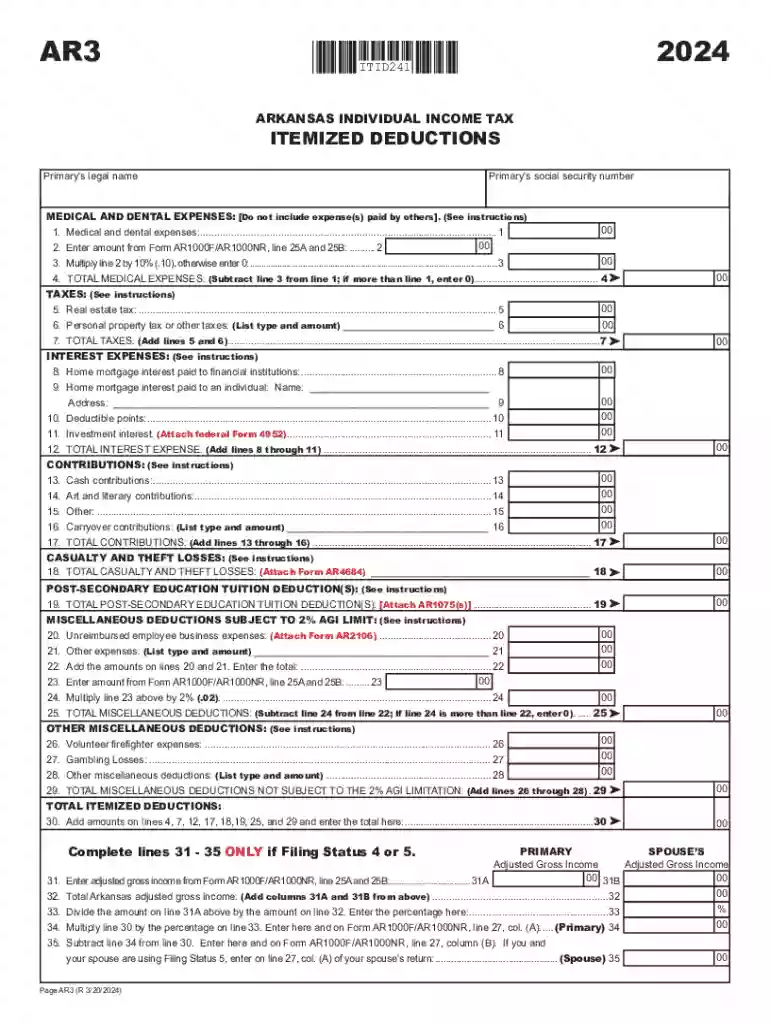
Type text, add images, blackout confidential details, add comments, highlights and more.

Draw your signature, type it, upload its image, or use your mobile device as a signature pad.

Send it via email, link, or fax. You can also download it, export it or print it out.
Taxpayers often wonder about the potential for claiming dental expenses on their taxes. In the U.S., medical and dental expenses can be itemized under Schedule A of the IRS Form 1040. These expenses include costs related to maintaining dental health, such as preventative care, treatments, and surgeries. To qualify, the total amount must exceed a stipulated percentage of your adjusted gross income (AGI).
Dental expenses are considered a subset of medical expenses, which the IRS defines as costs incurred for diagnosis, cure, mitigation, treatment, or prevention of disease. This means routine checkups, necessary treatments, and even substantial procedures like orthodontic work could be eligible. However, strictly cosmetic procedures, like teeth whitening, are excluded.
The IRS facilitates the deduction of unreimbursed medical and dental expenses, provided they surpass 7.5% of an individual’s adjusted gross income. This guideline is crucial to determining which expenditures are eligible for deduction. It's important to track these as yearly fluctuations can affect what you can claim.
To claim dental expenses, taxpayers must itemize deductions using Form 1040 (Schedule A). They must list all qualifying expenses, calculate the total, and apply the 7.5% threshold. The IRS specifically prohibits solely cosmetic dental work under allowable deductions. Clear records and appropriately categorized expenses are integral to ensure compliance.
To substantiate claims of dental expenses on your taxes, meticulous documentation is crucial. Taxpayers must keep receipts, invoices, and payment proof for all dental services. Such documentation could be stored digitally or as physical copies and should detail the nature of the service and payment date.
Necessary documents include bills from dental clinics showing services rendered and corresponding payments, bank or card statements reflecting the transactions, and any insurance reimbursement details. This ensures that, in the event of an audit, you have evidence of the legitimacy of your deducted expenses.
Eligibility hinges on the taxpayer's ability to itemize deductions and their expenses exceeding 7.5% of AGI. Furthermore, only those filing a federal income tax return using Form 1040 can utilize Schedule A for deductions.
Key eligibility factors include:


Eligible dental expenses may include regular cleanings, fillings, braces, and oral surgeries, provided they're necessary for dental health. For instance, orthodontic treatments to correct misalignment or procedures for gum disease treatment fall squarely within deductible expenses.
Conversely, teeth whitening or cosmetic veneers do not typically qualify, as they are not deemed medically necessary. An understanding of what constitutes necessary care is vital in determining allowable deductions.
Claimants must adhere to federal tax filing deadlines, usually around mid-April each year, to avoid penalties. Filing for an extension provides up to six additional months, but any owed taxes should still be paid by the original deadline. Staying aware of annual federal deadlines ensures compliance and maximizes benefits from tax deductions.
Though federal guidelines provide a base for claiming dental expenses, taxpayers should consider state-specific regulations. Some states allow the standard deduction alongside federal items, influencing overall tax savings. Others might provide additional credits or deductions for healthcare expenses, including dental, beyond federal allowances.
Check with local tax authorities or consult a tax professional for specific state guidelines, which can significantly affect the impact of dental expense claims on your tax burden.
We've got more versions of the Can I Claim Dental Expenses on My Taxes? Find Out Here form. Select the right Can I Claim Dental Expenses on My Taxes? Find Out Here version from the list and start editing it straight away!
At DocHub, your data security is our priority. We follow HIPAA, SOC2, GDPR, and other standards, so you can work on your documents with confidence.
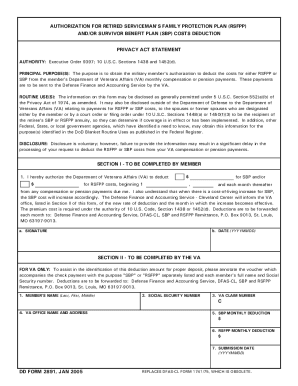



Nov 18, 2024 You can deduct on Schedule A (Form 1040) only the part of your medical and dental expenses that is more than 7.5% of your adjusted gross incomeRead more
Medical, dental, etc., expenses. There shall be allowed as a deduction the expenses paid during the taxable year, such expenses exceed 7.5 percent of adjusted


