





Definition and Meaning of "Form Online"
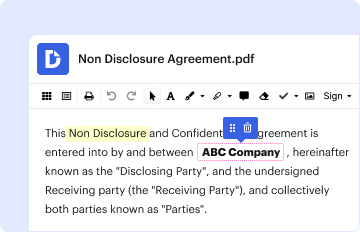
The term "form online" refers to digital forms that can be filled out, submitted, and processed entirely through online platforms. Unlike traditional paper forms, which require manual completion and submission, online forms provide a more efficient and accessible method for collecting and managing data. These forms are used across various sectors, including education, healthcare, finance, and government services, facilitating processes like registration, application, and feedback collection.
Features of Online Forms
- Accessibility: Accessible from any device with internet connectivity, enhancing ease of use.
- Security: Often include encryption and authentication measures to protect sensitive information.
- Flexibility: Allow for customization to adapt to specific requirements, including different fields and validation rules.
- Interactivity: Support interactive elements such as dropdowns, checkboxes, radio buttons, and text fields to guide users through the submission process efficiently.
Steps to Complete the Form Online
Filling out an online form requires a systematic approach to ensure accuracy and completeness. Below are the generalized steps to complete a form online:
- Access the Form: Navigate to the platform hosting the form, often provided via a link or a web portal.
- Read Instructions Carefully: Before starting, read any instructions or guidelines provided to understand form requirements.
- Enter Personal Information: Fill in sections requiring personal details, ensuring accuracy as errors could delay processing.
- Respond to Questionnaire or Data Fields: Complete each section as instructed, accurately providing any required information.
- Review and Validate Entries: Double-check all entries for correctness and completeness. Many platforms provide validation checks for missing or incorrect information.
- Submit the Form: Click the "Submit" button, and ensure that a confirmation message or receipt is received to verify successful submission.
Tips for a Successful Submission
- Save Progress: If the platform permits, save progress periodically to prevent data loss due to connectivity issues.
- Use Recommended Browsers: Some forms may require specific browsers or settings for optimal performance.
- Attach Required Documents: Attach any mandatory supporting documents in the specified formats, such as PDF or JPG.
Legal Use of the Form Online
When using forms online, it's crucial to ensure legal compliance, particularly for forms that involve sensitive or contractual information, such as tax filings or employment applications. Online forms must adhere to regulations like the ESIGN Act, which ensures that electronic signatures are legally recognized.
Considerations for Legal Compliance
- Data Privacy: Comply with data protection laws such as GDPR or CCPA, which govern the use and storage of personal information.
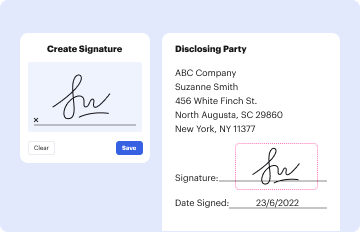
- Electronic Signatures: Use platforms that offer legally binding electronic signatures, conforming to regional or industry-specific regulations.
- Retention Policies: Understand the form's data retention policies to ensure compliance with legal and institutional requirements.
Key Elements of the Form Online
Key elements of an online form are crucial for its functionality and user experience. These include:
- Title and Instructions: Clearly marked title and concise instructions detailing the purpose and requirements of the form.
- Input Fields: Interactive fields designed to capture various data types, such as text, numbers, and dates.
- Validation Rules: Built-in mechanisms to confirm data integrity and prompt users about incorrect or missing information.
- Submission Buttons: Clearly identifiable buttons to submit the form, reset entries, or save progress.
Enhancing User Experience
- Logical Flow: Arrange form fields in a logical sequence to streamline completion.
- Responsive Design: Ensure the form is mobile-friendly for users accessing it via smartphones or tablets.
- Feedback Mechanisms: Provide clear messages, like confirmation or error alerts, after actions are taken.
Who Typically Uses the Form Online
Online forms cater to a wide array of users depending on their purpose and target audience. Common users include:
- Individuals: Applying for jobs, educational courses, or personal services.
- Businesses: Submitting tax forms, regulatory filings, or internal feedback surveys.
- Government Agencies: Collecting census data, voter registrations, or pandemic-related information.
- Educational Institutions: Managing student enrollment, course feedback, or scholarship applications.

Important Terms Related to Form Online
Understanding relevant terminology is key to navigating the environment of online forms effectively:
- Captcha: A tool used to verify that the form is being completed by a human, not a bot.
- Dropdown Menu: A graphical control element that allows the user to choose one value from a list.
- Webhook: A feature that enables real-time data exchange with another system when the form is submitted.
- Responsive Design: A design approach that adjusts the layout of the form based on screen size.
State-Specific Rules for the Form Online
Certain forms, particularly those involving legal, financial, and official matters like tax forms, may vary by state due to differing regulations and requirements. When completing state-specific forms online:
- Check Local Requirements: Rules regarding documentation and submission can vary significantly between states.
- Use State Resources: Access local government websites or call helplines to get accurate information.
- Tailor Information: Pay attention to fields specific to state regulations to ensure the form is accepted.
Taxpayer Scenarios: Using the Form Online
Online forms are integral to managing different taxpayer scenarios. For example:
- Self-Employed: Utilize online tax forms to report earnings and business expenses efficiently.
- Retired Individuals: Access forms concerning pensions, social security, or retirement fund distributions.
- Students: Benefit from tuition tax credit forms and scholarship applications available online.

Advantages
- Efficiency: Online forms streamline the process of tax submission, reducing time and effort.
- Accuracy: Built-in validations minimize errors and discrepancies in submitted data.
Through these blocks, individuals and businesses can effectively navigate online forms, leveraging technology to enhance accessibility and efficiency.