







Definition & Meaning
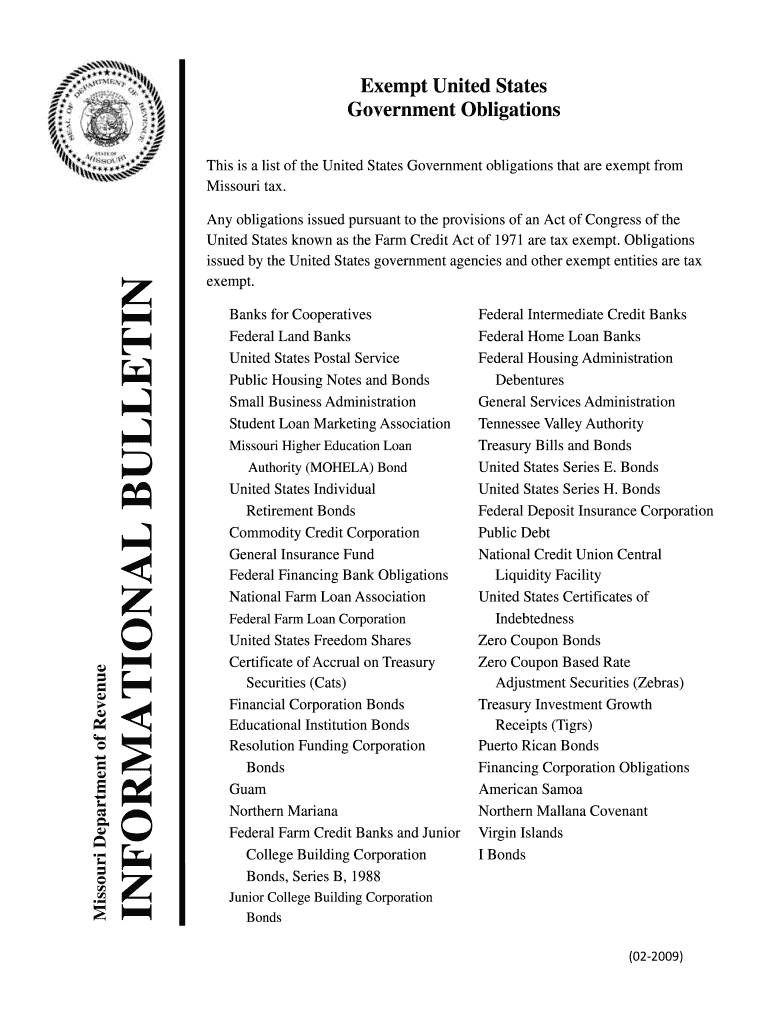
The term "Exempt United States" generally refers to specific legal, tax, or financial situations where certain entities or activities are offered exemptions under U.S. law. These exemptions can apply to various federal obligations, taxes, or regulatory requirements. Understanding the scope of these exemptions is crucial for businesses and individuals aiming to comply with federal laws while maximizing their financial efficiency. Often, these exemptions are related to obligations such as federal loans, grants, or certain bond investments. They play a significant role in strategic planning for financial and legal compliance.
Federal Obligations
- Farm Credit Act of 1971: Includes obligations which may be exempt under this act, often benefiting agricultural businesses and cooperatives.
- Federal Land Banks: Specific bonds issued by these banks might be considered exempt, which can provide financial benefits to landowners and farmers.
- Small Business Administration (SBA): Exemptions can apply to obligations issued under programs designed to support small businesses.
Financial Implications
Exemptions often translate into financial advantages, such as reduced tax liabilities or increased eligibility for certain programs. These benefits can be vital for optimizing operational costs, particularly for businesses operating in high-cost sectors like agriculture, education, and housing.
How to Use the Exempt United States
Understanding how to leverage these exemptions requires knowledge of applicable federal laws and the scenarios they cover. Entities must evaluate their operations to determine eligibility and ensure that they are complying with any specific conditions attached to these exemptions.
- Eligibility Assessment: Conduct a detailed review of your organization’s operations and financial activities to identify which exemptions apply.
- Compliance Monitoring: Regularly update your practices to align with federal guidelines to maintain eligibility for ongoing exemptions.
Steps to Complete the Exempt United States
Completing the process for claiming an exemption involves several steps. It's often a mix of documentation, verification, and submission of forms to the relevant federal authority.
- Identify Applicable Exemptions: Determine which areas of your operations might qualify for exemptions under U.S. law.
- Gather Required Documentation: Ensure you have all necessary documents, such as financial records or previous tax filings, ready for submission.
- Complete the Necessary Forms: Fill out federal forms accurately, based on the exemptions you're claiming.
- Submit to Relevant Authorities: Depending on the exemption, submission may go to federal agencies like the IRS or other pertinent departments.
Who Typically Uses the Exempt United States
Various entities can capitalize on these exemptions, primarily including businesses, government agencies, and certain financial institutions.


Businesses
- Agricultural Corporations: Often utilize exemptions under the Farm Credit Act for favorable financing terms.
- Educational Institutions: May benefit from tax-exempt bonds for infrastructure projects.
- Housing Developers: Engage in federally supported housing projects that come with specific financial obligations which are exempt from taxation.
Financial Institutions
- Banks: Particularly those involved in issuing bonds or loans that the federal government backs.
IRS Guidelines
The IRS provides detailed guidelines on how entities should report and utilize these exemptions. It is crucial to adhere to these stipulations to remain compliant and avoid penalties.
Reporting Requirements
- Documentation: Maintain accurate records of all transactions and financial activities related to exempt obligations.
- Filing Procedures: Ensure all exemptions are reported accurately on federal tax returns.
Compliance
Failure to comply with IRS guidelines can lead to audits, penalties, and revocation of exemptions. Thus, continual monitoring and updating of compliance practices are needed.
Required Documents
To properly leverage these exemptions, the correct documentation must be provided. This typically includes financial statements, proof of business activities, and federal forms that outline the specific exemptions claimed.
- Financial Records: These are fundamental for showcasing eligibility for specific exemptions.
- Compliance Records: Highlight adherence to federal guidelines and regulations.
Legal Use of the Exempt United States
There are strict legal frameworks governing the use of exemptions, which necessitate rigorous compliance to avoid potential legal pitfalls.
Conditions for Legal Use
Entities must adhere to conditions outlined in federal statutes to legally benefit from exemptions. This includes proper reporting, maintaining transparency with financial transactions, and adhering to any schedules related to exemption review processes.
State-Specific Rules for the Exempt United States
While federal guidelines provide the foundation, states may have additional rules that affect the application or extent of exemptions. Evaluating these state-specific nuances is essential for comprehensive compliance.
Variability Across States
Some states might offer complementary exemptions or impose additional requirements depending on local economic contexts and policies. It's crucial to investigate these aspects to maximize financial benefits fully.
In summary, understanding and utilizing the "Exempt United States" concept is a complex, yet potentially rewarding endeavor that requires careful navigation of federal and state regulations, accurate documentation, and adherence to the appropriate procedures.




