Definition & Meaning
Nonbusiness income refers to income not primarily associated with the active operation of a business, entity, or corporation. This includes various forms of passive income or earnings from activities that do not directly relate to a company’s core business functions. For tax purposes, certain types of nonbusiness income are not includable in the apportionable income tax. This means they are exempt when calculating the taxable income that can be apportioned among different jurisdictions. The primary objective is to provide a fair means of taxation, ensuring that income generated outside regular business operations is appropriately categorized and taxed.
Key Elements of the All Items of Nonbusiness Income Form
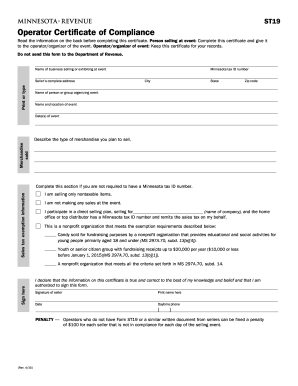
The form addressing all items of nonbusiness income is a structured document used to delineate different types of nonbusiness income for tax purposes. Essential elements include:
- Categorization of Income: Differentiating between business and nonbusiness income.
- Income Sources: Providing detailed descriptions of income sources such as dividends, interest, or capital gains.
- Exclusions: Identifying which incomes are excluded from apportionable income tax.
- Supporting Documentation: Requirements for documentation to substantiate claims of nonbusiness income.
Steps to Complete the All Items of Nonbusiness Income Form
- Gather Necessary Financial Documents: Compile any records of income such as bank statements or investment reports.
- Review Income Sources: Determine which income sources qualify as nonbusiness under current tax laws.
- Fill Out the Form: Input the required information accurately, ensuring all sections are complete.
- Attach Supporting Documentation: Include any necessary documentation to validate your nonbusiness income claims.
- Review for Accuracy: Double-check all entries to ensure there are no errors or omissions.
- Submit the Form: Depending on state requirements, submit the form either online through a state tax portal, by mail, or in-person.
IRS Guidelines
The IRS provides specific guidelines regarding what constitutes nonbusiness income and how it must be reported. Generally, nonbusiness income is not derived from a taxpayer’s regular business operations. It is critical to distinguish this type of income from business income to ensure accurate filing. The IRS may also have stipulations on how this information should be recorded and reported, including potential exemptions or specific criteria that must be met to uphold compliance.
State-Specific Rules for Nonbusiness Income
Different states may have varying rules regarding nonbusiness income, particularly in their apportionment methods for tax purposes. Some states require more comprehensive reporting, while others may have specific exclusions that apply. Understanding state-specific tax codes is essential to ensure that the nonbusiness income is apportioned correctly and complies with local legal standards.
Penalties for Non-Compliance
Failing to correctly report nonbusiness income can lead to significant penalties. These can include fines, interest on unpaid taxes, or even more serious legal consequences depending on the jurisdiction. Ensuring full compliance by accurately reporting nonbusiness income prevents these potential setbacks and protects against unwanted audits.
Software Compatibility
Many taxpayers use accounting and tax preparation software like TurboTax or QuickBooks to facilitate the filing process. These software programs typically allow users to enter their income sources, including nonbusiness income, to automate the tax calculation process. Ensure that the form or attachment used for filing nonbusiness income is compatible with these systems for a smoother and more efficient filing experience.
Examples of Nonbusiness Income
Common examples of nonbusiness income include:
- Interest from Bank Accounts: Income earned from interest-bearing accounts.
- Dividends: Earnings received from stock investments not tied to business activities.
- Rental Income: Profits made from renting out property, assuming the rental activities are not part of the owner’s primary business operations.
- Capital Gains: Profits from the sale of assets or investments held as personal, rather than business, property.
Who Uses the Form
Typically, individuals and entities who have income sources outside of their primary business operations will use this form. This includes, but is not limited to, small business owners, individuals with investment income, freelancers, and retirees with diverse income streams. Understanding who must file this form and under what circumstances helps maintain compliance with state and federal tax regulations.