Definition & Meaning
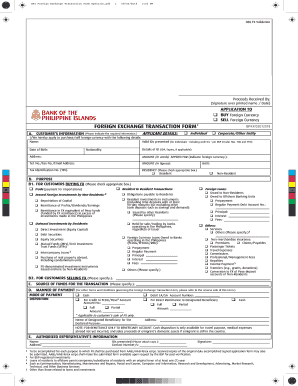
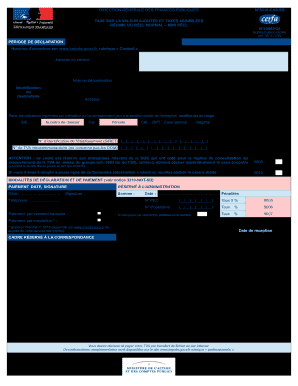
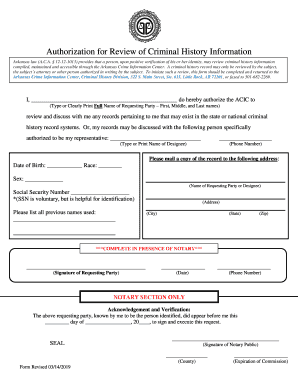
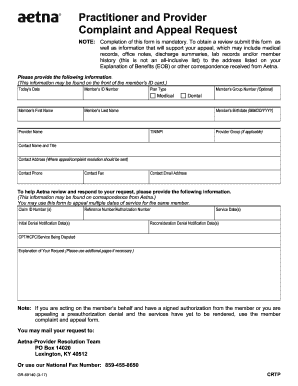
The term "form online" pertains to the electronic versions of traditional paper forms that can be filled out and submitted via the internet. These forms encompass a wide variety of applications, such as tax submissions, application forms, surveys, and other official documents. Utilizing forms online reduces the need for manual data entry and expedites processing times given their digital nature. This method not only enhances accessibility and convenience for users but also ensures forms are formatted consistently.
How to Use the Form Online
Navigating the process of using an online form involves several straightforward steps. Primarily, users access these forms through a web-based platform like DocHub, which caters to editing, signing, and managing documents. Once access is granted, users can interact with the form using digital tools that allow for filling in text fields, selecting checkboxes, or making other necessary entries. Platforms may also offer features like automatic data saving, which helps prevent data loss.
Tips for Effective Use
- Ensure a Stable Internet Connection: It's critical to maintain a reliable internet connection while using online forms to prevent data loss or submission errors.
- Familiarize with the Interface: Spend a few moments exploring the platform's features to streamline the process.
- Regularly Save Your Progress: Many platforms automatically save entries, but it is always beneficial to regularly save manually as well.
Steps to Complete the Form Online
Completing an online form typically involves a series of logical steps:
- Access the Form: Locate the appropriate form using the direct link provided by the institution or through a search on the hosting platform.
- Review the Instructions: Begin by reviewing any instructions or guidelines associated with the form.
- Fill Out Required Fields: Use text boxes to input necessary information such as names, addresses, and identifying details.
- Add Attachments if Necessary: Some forms may require additional documents, which can be uploaded directly onto the platform.
- Review Entries: Before submission, double-check all entries for accuracy and completeness.
- Submit the Form: Follow prompts to submit the form, ensuring you receive a confirmation of receipt.
Key Elements of the Form Online
An online form consists of several key components, each designed to capture specific information:
- Text Boxes: Used for open-ended responses such as names or detailed answers.
- Check Boxes: Allow users to select options that apply to them, ideal for yes/no questions.
- Drop-Down Menus: Provide a list of choices for the user to select from, simplifying decision-making.
- Signature Fields: Enable users to sign forms digitally, which are often necessary for approval or authorization purposes.
Legal Use of the Form Online
Utilizing online forms holds legal efficacy equivalent to paper forms, particularly when electronic signatures are involved. Under U.S. law, electronic signatures are deemed valid and enforceable, ensuring transactions and submissions made online comply with legal standards. Platforms typically adhere to the ESIGN Act, ensuring any forms processed hold legal weight.
State-Specific Rules for the Form Online
States may impose various regulations governing the use of online forms, impacting elements such as:
- Mandatory State Tax Forms: Varies by state, where each may have specific mandatory electronic forms.
- Data Protection Requirements: Some states have stringent rules regarding the protection and confidentiality of data submitted online.
- Format Compliance: State-specific formatting might be required to meet local government submission guidelines.
Penalties for Non-Compliance
Failing to accurately complete or submit mandatory online forms in a timely manner can lead to significant penalties. These penalties often involve financial fines, interest on unpaid amounts, or rejection of the application process. Users should be aware of deadlines and required content to avoid such outcomes.
Versions or Alternatives to the Form Online
Various formats and alternatives exist for online forms, often dependent on the intended use or specific requirements:
- PDF Forms: Commonly used for universal applications due to platform-independent nature.
- HTML Forms: Allows for integration directly into websites for direct data capture.
- Interactive Forms: Enhanced forms designed for active data interaction and user engagement, often found in surveys.
Advantages of Alternatives
- Increased Accessibility: Different formats ensure users across all platforms can access and complete forms.
- Enhanced Interactivity: Allows for a more engaging user experience through interactive elements.
By exploring these blocks, users are better prepared to navigate the landscape of online forms, understand their significance, and utilize them effectively.