




Definition & Meaning
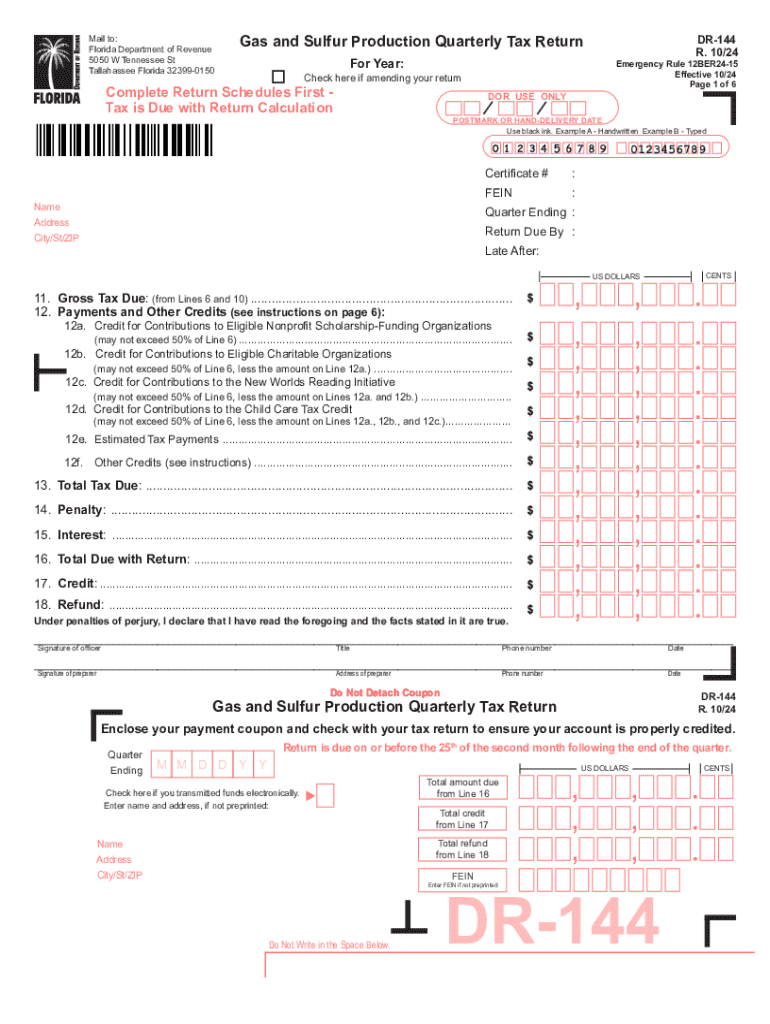
The phrase "form online" refers to the process of accessing, filling out, and submitting various forms over the internet, using digital platforms or tools. This process streamlines the engagement with documents necessary for personal, business, or legal purposes by leveraging online services, which can significantly reduce time and logistical constraints. For instance, users can complete tax forms or apply for governmental permits without the need to visit physical offices. The digital handling of forms also means users can store, modify, and share them easily as needed.
How to Use the Form Online
To effectively use a form online, follow these general steps:
- Access the Platform: Start by navigating to a document management tool like DocHub, or the specific website where the form is hosted.
- Find the Specific Form: Use search functions or browse categories to locate the form you need.
- Download or Open: Depending on the platform, you can download the form for offline completion or open it directly in the browser for immediate editing.
- Fill Out the Form: Enter the required information in each designated field. Online platforms often allow you to see which fields are required and validate your entries.
- Review and Edit: Double-check for any errors or omissions that could affect the submission. Many online tools provide spelling and grammar checks.
- Submit or Save: Once completed, submit the form through the designated button for online submission or save a copy for printing or further distribution.
Steps to Complete the Form Online
Completing a form online involves several precise steps to ensure accuracy and compliance.
- Prepare Required Information: Before starting, gather any necessary documents or information that might be needed, such as identification numbers, addresses, or income details.
- Login or Register if Necessary: Some platforms require users to have an account for security purposes. Ensure you have your login credentials ready or sign up if new to the service.
- Select the Correct Form Version: Ensure you are completing the most current version of the form to avoid processing delays.
- Enter Information Diligently: Pay careful attention to detail, especially for sensitive information like Social Security numbers or financial data.
- Use Available Features: Utilize features like tooltips, help guides, or FAQs provided on the form page to ensure proper completion.
- Validate and Submit: Many platforms will allow pre-submission validation where all data is checked for errors. Always use this feature to avoid having your form rejected or delayed.
Legal Use of the Form Online
Forms completed online have legal standing when used correctly according to U.S. guidelines, especially for applications adhering to the ESIGN Act. When an online form is properly authenticated and contains legally required elements like electronic signatures, it carries the same weight as its physical counterpart. This approach is often utilized for contracts, tax filings, and applications for governmental services. Users should ensure that the form includes:
- Authentic Electronic Signatures: These must be verifiably created and captured according to the standards set by the platform.
- Proper Attribution: The form should clearly identify the user and indicate agreement to terms and conditions.
- Data Integrity: Forms should have measures to ensure that data cannot be altered post-submission, like secure encryption practices.
Key Elements of the Form Online
Online forms typically consist of several critical elements that facilitate their proper use and submission:
- Input Fields: Areas where users enter their data. These can be text boxes, checkboxes, dropdowns, etc.
- Submission Controls: Buttons or links that allow users to either submit the form to a server or save it locally.
- Instructions and Help Sections: Guidance or FAQs that provide users with information on how to fill out the form correctly.
- Validation Scripts: Code that checks entries against specific rules before submission to catch errors or missing data.
- Security Measures: Features like SSL encryption to protect user data during transmission and storage.
Examples of Using the Form Online
Various real-world scenarios illustrate the utility of online forms:
- Tax Filings: Many individuals and businesses file forms such as the U.S. Tax Form 1040 online, which expedites their returns and reduces errors due to built-in government checks.
- Permit Applications: City permits for construction or events are increasingly available through municipal websites, easing the logistics of physical paperwork submission.
- Employment Applications: Many companies use platforms like DocHub or directly integrated online forms for job applications, streamlining the hiring process.
Required Documents
When completing forms online, various documents might be necessary depending on the specific form and its requirements. Some of these include:
- Identification: Such as a driver’s license or passport.
- Financial Statements: Required for tax forms or loan applications to verify income and expenses.
- Proof of Address: Utility bills or lease agreements might be required for location-specific forms.
- Previous Tax Returns: For amendments or continuity in financial documentation.
Having these documents ready in digital format or readily accessible simplifies the process of attaching or referencing them in online forms.
Digital vs. Paper Version
Using a digital version of a form as opposed to a paper version comes with distinct advantages:
- Efficiency: Digital forms can often be completed faster with autocomplete and autofill options.
- Instant Submission: Reduces the wait associated with mailing and receiving paper forms.
- Trackability: Easily track the status of a form post-submission through digital dashboards.
- Environmental Impact: Reduces paper usage, contributing to environmental conservation efforts.
- Error Reduction: Built-in validation checks minimize error frequency, which is more common in manual document handling.
Understanding these differences is crucial for businesses or individuals who seek to streamline operations and reduce unnecessary overhead related to physical document processing.