





Definition and Meaning
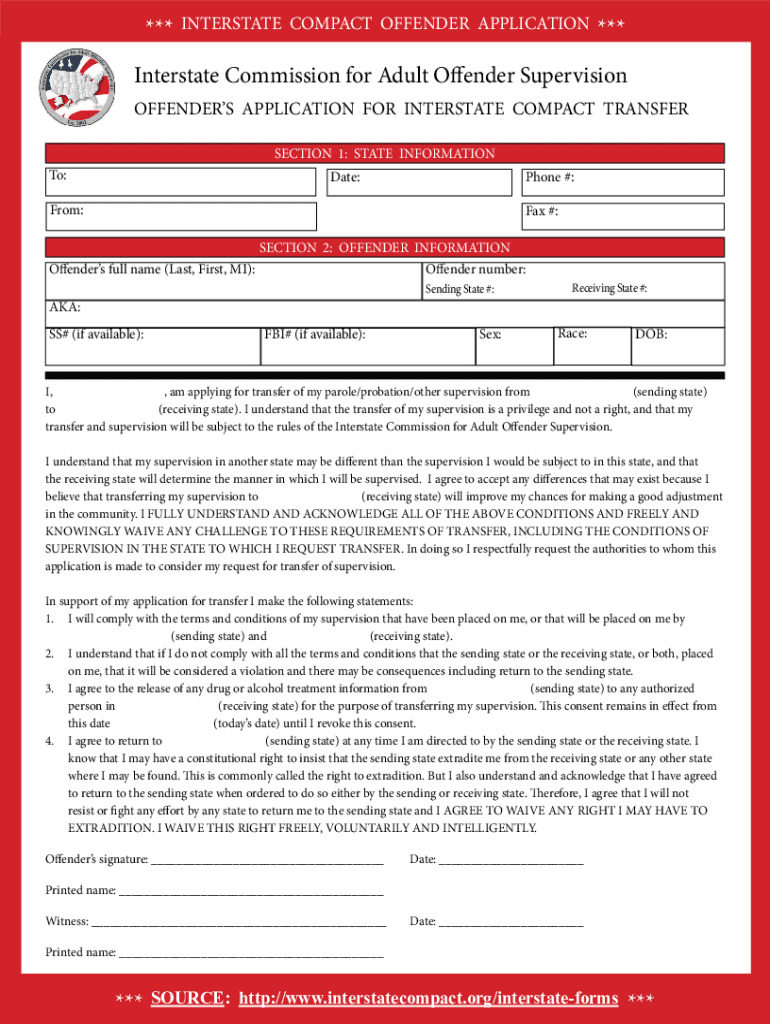
The concept of a "form online" refers to digital documents accessible via the internet that individuals and businesses use to enter and submit information for various purposes. These forms are created with fillable fields, allowing users to input details such as personal data, responses to specific questions, or signatures. Online forms are integral components in processes like applications, registrations, and surveys, facilitating efficient data exchange and processing. They are designed to replace traditional paper forms, streamlining workflows and enhancing data accuracy.
Online forms are typically used for various functions including but not limited to tax filing, job applications, compliance reporting, and customer feedback. The digital nature of these forms enables users to submit information from any location with internet access, removing geographical constraints and promoting convenience. This flexibility has made online forms an essential tool for both personal and corporate activities.
How to Use the Form Online
Using an online form involves several user-friendly steps designed to make data entry straightforward. First, access the form through a web link or email invitation. Once the form is open, users can begin by filling out required fields, which are often marked with an asterisk or other indicators. It's important to ensure that the correct information is filled in each field to avoid errors in processing.
Many online platforms feature interactive guides or tooltips to aid users in completing forms accurately. These help clarify what information is required in each section. Additionally, users might encounter specific input constraints, such as character limits or predefined answer selections, ensuring data standardization. After completing the form, a review step is often included to allow the user to confirm all entered details are correct before submission.
How to Obtain the Form Online
To obtain a form online, individuals must first identify the source, typically a website or email, where the form is hosted. In most cases, forms are hosted on official websites such as government portals, corporate sites, or through document management solutions like DocHub. Users might be required to create an account or enter an access code to interact with specific forms, especially if they are proprietary or sensitive in nature.
Downloading a copy of the form is usually optional, as most submissions are completed entirely online. However, for forms requiring offline collaboration or for record-keeping purposes, a downloadable or printable version might be made available. It's important for users to ensure the form is accessed over a secure connection to protect any sensitive personal data.
Steps to Complete the Form Online
The process of completing an online form generally follows a linear checklist. Here's a typical sequence:
- Access the Form: Locate and open the form via a direct URL or through the hosting platform.
- Review Instructions: Read all guidelines and instructions provided to understand the requirements.
- Fill in Required Fields: Start with mandatory inputs, which are usually highlighted.
- Add Optional Information: Proceed to optional sections if additional data is applicable.
- Use Interactive Elements: Dropdowns, checkboxes, and radio buttons should be utilized where applicable to streamline input.
- Attach Necessary Files: Some forms allow for file attachments, such as PDFs or images, to support the provided information.
- Review and Edit: Carefully proofread all entries to catch any errors or omissions.
- Submit the Form: Once satisfied with the inputs, confirm submission. An acknowledgment, often a confirmation number or email, is typically generated.
Who Typically Uses the Form Online
A wide array of users engages with online forms, including individual taxpayers, businesses, educational institutions, and non-profit organizations. Individuals may use these forms for personal finance management, such as tax returns or job applications. In contrast, businesses often rely on online forms for tasks like client onboarding, feedback collection, and compliance reporting.
Non-governmental organizations use online forms to gather donor information and conduct surveys, while educational entities might employ them for student registration, gathering parental consents, or feedback from students and faculty. Given the diversity of users, online forms are crafted with adaptability, catering to a broad spectrum of needs across different sectors.

Legal Use of the Form Online
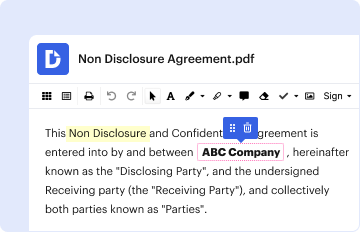
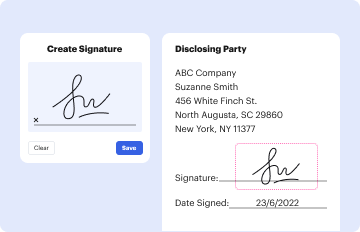
Online forms used for legal documentation must comply with regulations that ensure their authenticity and integrity. Legal uses of online forms often involve agreements, contracts, permits, and compliance reporting. Platforms like DocHub use encryption and authentication processes to make sure that data integrity is maintained and that electronic signatures are legally binding as per the ESIGN Act.
Forms must also follow data protection laws such as GDPR or the California Consumer Privacy Act for forms involving personal information. Users affirm their consent to data processing by accepting terms of use or privacy policies typically presented before form completion. Legal implications of online forms necessitate careful data management and security protocols to safeguard user information.
Key Elements of the Form Online
Several components are essential to effective online forms, ensuring both user-friendly experience and data accuracy. These key elements include:
- Clear Labels and Instructions: Essential for guiding users on what data is required.
- Interactive Fields: Text boxes, dropdown menus, and buttons that facilitate data entry.
- Validation and Error Messages: Verify data format and provide immediate feedback to correct mistakes.
- Responsive Design: Ensures usability across devices, from desktops to mobile phones.
- Security Features: SSL encryption and password protection for secure data transmission.
Sophisticated online platforms like DocHub offer these elements, ensuring that forms are both easy to use and equipped with necessary functionalities for complex data processing.
State-Specific Rules for the Form Online
Depending on the nature of the form, different states may impose specific rules or requirements that users must adhere to. For instance, tax forms or business compliance documents might have unique state instructions, varying tax codes, or unique submission deadlines. Users need to understand and comply with these regulations to avoid potential penalties.
In some states, electronic signatures might hold unique legal status, with specific stipulations around consent and record-keeping. Thus, while using any online form, particularly those with legal implications, understanding state-specific guidelines is critical to ensure compliance and the validity of submitted documents.
Required Documents
Completing certain online forms may necessitate the submission of supporting documents. These could include:
- Identification Proof: Such as a driver's license or a passport.
- Financial Documents: Tax returns, payslips, or bank statements.
- Government Issuances: Certificates or registrations pertinent to the form's purpose.
- Legal Documents: Contracts or agreements that support the entries in the form.
Not only must these documents be ready to upload, but they must also be scanned and formatted correctly to ensure clarity and legibility. Digital document management systems facilitate this by allowing users to upload directly from various sources, simplifying the submission process.