Definition and Purpose of the 2023 Corporation Tax Forms
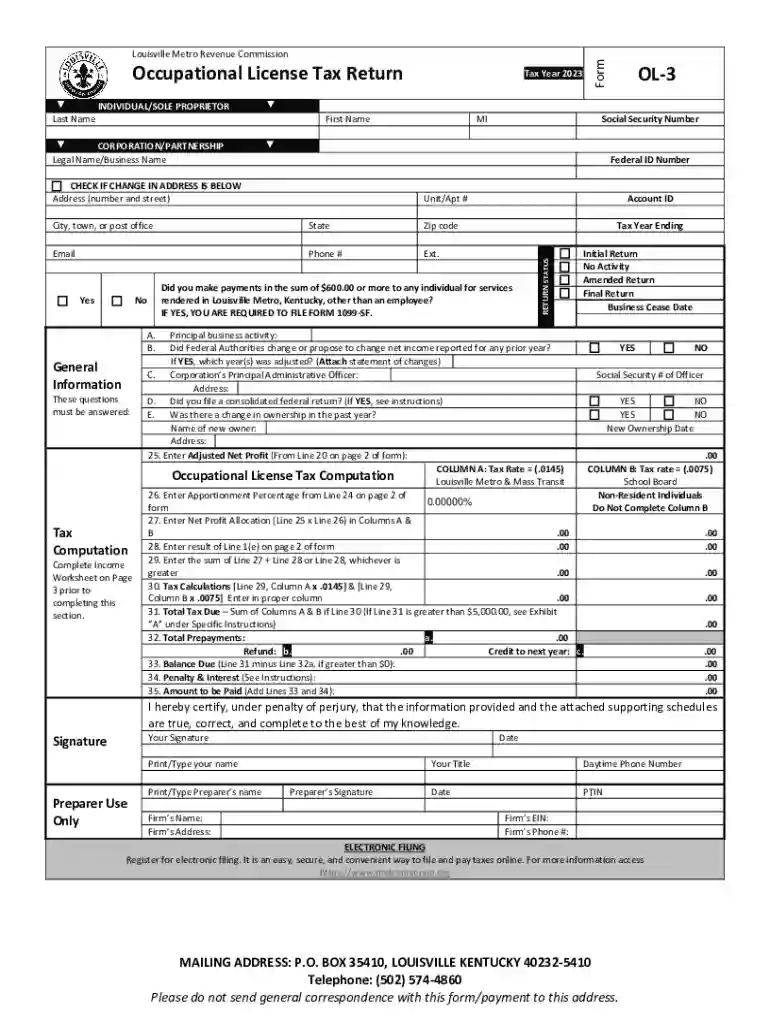
The 2023 corporation tax forms are official documents used by corporations in the United States to report their income, deductions, and tax liabilities to the Internal Revenue Service (IRS) for the fiscal year 2023. These forms are integral to the tax filing process, ensuring corporations accurately communicate their financial activities. They serve multiple purposes, including the calculation of owed taxes and maintaining compliance with federal tax laws. By submitting these forms, corporations can comply with their legal obligations and avoid penalties associated with non-compliance.
How to Obtain the 2023 Corporation Tax Forms
Corporations can obtain the 2023 corporation tax forms through several methods, ensuring accessibility and convenience:
- IRS Website: The IRS provides downloadable versions of these forms on their official site, offering a reliable and instant way to access the necessary documents.
- Commercial Tax Software: Various tax preparation software like TurboTax and QuickBooks offer integrated access to these forms, often providing user-friendly guidance for completion.
- Tax Professionals: Certified Public Accountants (CPAs) and tax advisors often supply and assist in filling out these forms for corporate clients.
- IRS Offices: Physical copies can be requested by visiting local IRS offices or through mail by contacting the IRS directly.
Key Elements of the 2023 Corporation Tax Forms
The 2023 corporation tax forms contain several crucial sections that corporations must accurately complete:
- Income Reporting: Corporations must disclose all sources of income, including sales, dividends, and capital gains.
- Deductions: Available deductions include business expenses, depreciation, and charitable contributions, which reduce taxable income.
- Credits: Potential tax credits such as foreign tax credits or energy efficiency credits can decrease tax liability.
- Tax Computation: Detailed calculations should be included to determine the corporation’s total taxable income and the consequent tax due.
- Signatures and Declarations: The forms require authorized signatures to verify the accuracy of the provided information and authorization for filing.
Steps to Complete the 2023 Corporation Tax Forms
Filling out the 2023 corporation tax forms involves several detailed steps:
- Gather Financial Documents: Collect financial statements, income records, and proof of deductible expenses.
- Complete Income Sections: Carefully fill out sections detailing gross income and any additional sources.
- List Deductions: Enter allowable deductions to reduce taxable income.
- Calculate Credits: Review eligible tax credits and apply them to the calculated tax.
- Finalize Tax Liability: Use the completed sections to calculate total tax liability.
- Verification and Signature: Review all entries for accuracy, sign, and date the forms.
- Submit Forms: Submit completed forms by the designated deadline either electronically or via mail.
Filing Deadlines and Important Dates
Corporations must adhere to specific filing deadlines to avoid potential penalties:
- Standard Due Date: For calendar year corporations, the due date is generally the 15th day of the fourth month after the end of the corporation's fiscal year (typically April 15).
- Extensions: Corporations can apply for an extension to file, typically granting an additional six months, making the extended deadline October 15 for calendar year entities.
- Quarterly Payments: Estimated taxes are generally due quarterly throughout the fiscal year, necessitating careful planning and timely payments.
Form Submission Methods (Online / Mail / In-Person)
Corporations can submit the 2023 corporation tax forms through various methods, ensuring flexibility and convenience:
- Electronic Filing (e-File): The IRS e-file system allows corporations to submit tax forms online, offering a fast and secure option.
- Mail: Forms can be completed and mailed to the relevant IRS address. Proof of mailing should be retained to verify timely submission.
- In-Person Submission: While less common, forms can be submitted in person at designated IRS offices, beneficial for corporations with complex filings requiring immediate attention.
Legal Use of the 2023 Corporation Tax Forms
The legal significance of the 2023 corporation tax forms extends to various compliance and operational areas:
- Compliance with Tax Laws: These forms are necessary to comply with federal tax regulations and to avoid legal issues due to underreporting or misreporting of income.
- Audit Preparation: Properly completed forms serve as documentation for potential IRS audits, demonstrating accurate reporting and legitimate financial activities.
- Tax Record Maintenance: Forms contribute to maintaining comprehensive tax records, essential for corporate governance and financial transparency.
IRS Guidelines and Instructions for the 2023 Corporation Tax Forms
The IRS provides detailed guidelines to assist corporations in accurately completing the 2023 corporation tax forms:
- Instructions for Forms: Detailed instructions accompany each form, offering clear directions for each section.
- Frequently Asked Questions (FAQs): The IRS website features FAQ sections that address common inquiries and issues related to filing.
- Assistance Services: Available IRS support includes phone assistance and in-person consultations to resolve specific questions or filing issues.
By closely adhering to these guidelines, corporations can ensure that they fulfill their tax obligations effectively and accurately.