




01. Edit your form online
Type text, add images, blackout confidential details, add comments, highlights and more.


Type text, add images, blackout confidential details, add comments, highlights and more.

Draw your signature, type it, upload its image, or use your mobile device as a signature pad.

Send it via email, link, or fax. You can also download it, export it or print it out.
An "ID or Medical Record #" is a unique identifier assigned to a patient's medical records within a healthcare system. This identifier is crucial for accurately tracking and accessing a patient's medical history, treatment plans, and test results. In healthcare, the ID or Medical Record # ensures that all patient information is organized effectively, facilitating seamless communication between departments and healthcare professionals. Additionally, this number plays a vital role in maintaining the confidentiality and security of personal health information.
The ID or Medical Record # is typically used to access and organize patient health information across different systems and service providers. Healthcare professionals use it to:
For the patient, the number allows streamlined communication with healthcare providers, enabling efficient management of appointments and follow-ups. It is also essential when filling out forms or making insurance claims, as it links all pertinent medical data to a single source.
Patients are assigned an ID or Medical Record # when they first interact with a healthcare provider. This number is usually provided by the hospital or clinic’s administration department once the initial registration process is complete. In some cases, patients may be required to set up an account with an online patient portal, where they can view their ID or Medical Record # and associated medical records. For those needing access for the first time, contacting the healthcare provider's records department is usually the best step.
A comprehensive ID or Medical Record # system should include several key components to ensure effective use:
These elements work together to maintain a complete and secure overview of the patient’s medical history, promoting efficient healthcare delivery.
Understanding the terminology related to ID or Medical Record # is crucial for both patients and healthcare professionals. Important terms include:
Each term helps provide context and depth to the use and management of medical records.
The protection and use of the ID or Medical Record # are governed by laws like the Health Insurance Portability and Accountability Act (HIPAA) in the United States. This law stipulates:
Medical facilities must comply with these regulations to avoid legal penalties and maintain patient trust.
Real-world applications of an ID or Medical Record # include:
Each scenario showcases the importance of having an organized and accessible medical record system.
Healthcare providers offer various methods to access or submit forms related to the ID or Medical Record #:
Variety in submission methods provides flexibility and ensures accessibility for all patients.
Understanding and utilizing the ID or Medical Record # is integral for managing one’s health effectively:
This focus on efficiency, safety, and empowerment highlights the central role that medical record numbers play in modern healthcare management.
We've got more versions of the ID or Medical Record # form. Select the right ID or Medical Record # version from the list and start editing it straight away!
At DocHub, your data security is our priority. We follow HIPAA, SOC2, GDPR, and other standards, so you can work on your documents with confidence.
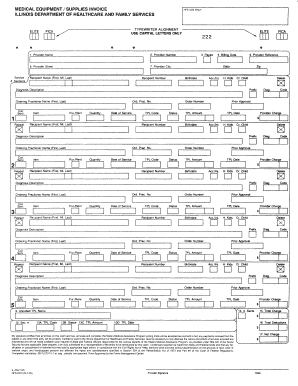
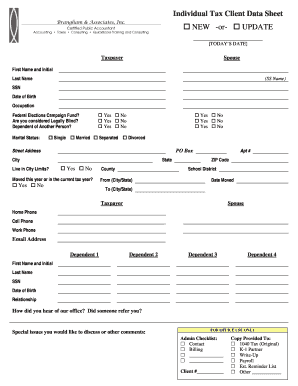


May 30, 2014 Patient Identification. □ Each page within the Medical Record contains the patients name or ID number on both sides of the page. 2
Mar 7, 2024 The Medical Records department is responsible for providing clients, along with other requestors, copies of requested parts of the medical record/Immunization
Protected health information (PHI) is any information in the medical record or designated record set that can be used to identify an individual.


