





Definition of "Form Online"
"Form online" refers to the electronic version of any document that users can fill out and submit via the internet. It allows individuals and businesses to complete essential documentation without needing physical copies. This digital format increases efficiency, reduces paper waste, and streamlines the completion process. Online forms can vary widely in terms of function, including tax filings, application submissions, and data collection forms, making them a versatile tool for numerous formal and informal transactions.
How to Use Online Forms
Using forms online involves a series of straightforward steps owing to platforms like DocHub, which are designed for user-friendliness. Once a user accesses a form, they can fill it out directly in the online editor. Here’s a general guide on how to use online forms effectively:
- Access the Form: Navigate to the relevant website or portal, such as DocHub, to find the form you need.
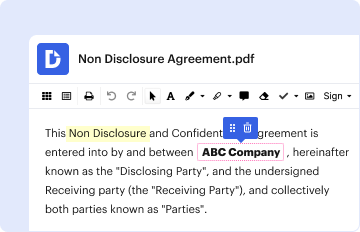
- Fill Out Digitally: Use your computer or mobile device to enter data into text fields, select options from drop-down menus, and check boxes as necessary.
- Upload Documents: If the form requires supplementary documents, use the upload feature to attach files from your device or cloud storage.
- Review Your Entries: Before submission, review all entered data for accuracy to prevent errors.
- Submit the Form: Once complete, submit the form via the provided online button, ensuring you receive confirmation of submission.
These steps ensure that users efficiently leverage online forms without unnecessary complications.
Steps to Complete the Form Online
Completing a form online involves several precise steps aimed at ensuring accuracy and compliance with submission requirements. The steps generally involve:
- Identify the Form: Determine the exact form number or title you need to complete.
- Gather Required Information: Collect all necessary information and documents before starting the form to streamline the process.
- Fill Out the Form: Enter information carefully into designated fields using a computer or any web-enabled device.
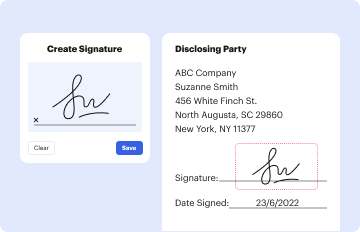
- Add Digital Signatures: Use e-signature options to sign the document electronically, making it legally binding.
- Review for Errors: Double-check entries for typos or incomplete information.
- Submit for Processing: Finalize the form by submitting through the platform interface and recording a copy for personal records.
Following these steps helps in filling out forms precisely and confidently.
Importance of Using Online Forms
The digital transformation of processes highlights the importance of using forms online. This approach offers several advantages:
- Efficiency: Streamlines processes by reducing turnaround time for form completion and submission.
- Accessibility: Accessible 24/7 from any location with internet access, offering convenience to users.
- Cost-effective: Eliminates the need for printing and postage, reducing operational costs.
- Environmentally Friendly: Saves paper, supporting sustainability efforts.
For businesses and individuals alike, the importance of adopting online forms cannot be overstated, given the convenience and benefits they deliver.
Key Elements of Online Forms
Understanding the core components of online forms enhances their use and functionality. Key elements include:
- Field Types: Text fields, radio buttons, checkboxes, and dropdowns cater to various data input needs.
- Validation: Many forms incorporate validation rules to prevent incorrect data entry, ensuring data integrity.
- Security Measures: Encryption protocols protect sensitive information during submission and storage.
- Responsive Design: Compatibility with multiple devices, ensuring accessibility via both desktops and mobiles.
Grasping these elements allows users to navigate and utilize online forms efficiently.
Legal Use of Online Forms
Using forms online comes with certain legal considerations, especially when binding signatures or sensitive information is involved. Legally, online forms are governed by acts such as the ESIGN Act, which grants electronic signatures the same legal status as handwritten ones. Platforms like DocHub ensure compliance by offering secure signing solutions and maintaining audit trails. Legal usage also encompasses adherence to data protection laws, ensuring user data privacy and security. Understanding these legal frameworks ensures that users' interactions with online forms are both secure and compliant with regulations.
Examples of Using Forms Online
Online forms find application across various scenarios including:
- Tax Filings: Platforms enable easy filing of forms like the IRS W-9 digitally.
- Job Applications: Many companies use online forms for receiving and processing job applications.
- Surveys: Online forms replace paper surveys, offering a more interactive respondent experience.
These examples reflect the flexibility and utility of online forms in catering to diverse requirements.
State-Specific Rules for Online Forms
Rules for using online forms can vary by state, especially when related to taxation and legal matters. Each U.S. state may have distinct requirements concerning the submission and processing of digital forms. For instance:
- Tax Forms: Some states mandate electronic filings for specific tax returns.
- Legal Documents: Variations in the acceptance of electronic signatures may exist due to state regulations.
Understanding these location-specific rules is crucial for compliance and ensuring that forms submitted online are valid and recognized within the respective legal framework.