Database change request form in word 2026

Get Form
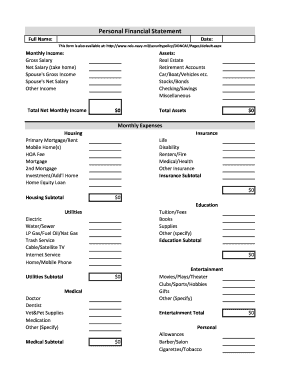
database change request form in word Preview on Page 1

Here's how it works

01. Edit your form online
Type text, add images, blackout confidential details, add comments, highlights and more.

02. Sign it in a few clicks
Draw your signature, type it, upload its image, or use your mobile device as a signature pad.

03. Share your form with others
Send it via email, link, or fax. You can also download it, export it or print it out.

Definition & Meaning

A database change request form in Word is a document utilized for formalizing proposals to alter data within a database system. Typically formatted as a Word document for ease of use and editing, this form provides a structured method for initiating changes such as adding, updating, or deleting data records. The document is especially valuable in environments where database integrity and consistency are paramount, serving as a record of requested changes and ensuring all modifications are authorized and transparent.

Database change request forms serve as essential tools in maintaining data accuracy and compliance within organizations. They ensure that every proposed alteration is documented, reviewed, and approved before implementation. They standardize the process by offering a consistent template for users to specify the details of their requests, preventing unauthorized or erroneous changes that could compromise the system's reliability.

Key Components

These forms generally include several key components to capture the full scope of the requested change:

  • Requester Details: Specifies the person or department making the request, including contact information.
  • Change Description: Details the nature of the change, including the data to be modified and the reason for the change.
  • Justification: Provides the rationale behind the proposed change, ensuring it aligns with organizational goals and operations.
  • Approval Workflow: Lists the required approvals from supervisors or administrators, helping ensure that each request is appropriately vetted.
  • Implementation Plan: Outlines the steps required to apply the change, minimizing the risk of disruption during the update process.

How to Use the Database Change Request Form in Word

Utilizing the database change request form effectively involves several structured steps to ensure all necessary information is captured and properly processed.

Step-by-Step Process

  1. Download the Template: Access the Word document containing the form template from your organization's database management portal or its repository.
  2. Enter Requester Information: Fill in your personal or departmental details, which helps the review team identify the origin of the request.
  3. Define the Change: Clearly describe what changes you wish to implement, including any specific data sets or records affected.
  4. Provide Justification: State why the change is necessary, referencing any supporting documentation or data if applicable.
  5. Obtain Required Approvals: Follow the outlined approval workflow to gain the necessary sign-offs from relevant stakeholders.
  6. Submit the Form: Follow your organization’s procedures for submission, which may include digital sending methods or physical delivery to the database administration team.

Tips for Effective Use

  • Clarity and Detail: Be as specific as possible when detailing the proposed changes to avoid misunderstandings.
  • Use Consistent Terminology: Leverage standardized database terms to ensure all parties easily understand the request's scope and potential impact.
  • Follow Approval Protocols: Adhere strictly to the approval process to avoid delays in implementation.

Steps to Complete the Database Change Request Form in Word

Completing the database change request form accurately is crucial to ensuring the proposed changes are processed without delay. This section outlines the necessary steps with accompanying explanations.

Detailed Completion Instructions

  1. Review Requirements: Familiarize yourself with any prefilled fields or mandatory sections that your organization includes in the form template.
  2. Enter Accurate Data: Populate each section of the form with precise and relevant information, ensuring no critical details are omitted.
  3. Attach Supporting Documents: When applicable, include supporting documents such as error logs or approval emails that justify the request.
  4. Peer Review: If possible, have a colleague review the form before submission to ensure clarity and completeness.
  5. Upload or Submit: Depending on your organization's protocol, either upload the form to the designated digital platform or submit it in person.

Common Errors to Avoid

  • Incomplete Fields: Ensure every required section is fully completed before submission to avoid processing delays.
  • Vague Descriptions: Avoid using ambiguous language that could confuse reviewers or decision-makers.

Key Elements of the Database Change Request Form in Word

Understanding the essential elements of a database change request form aids in completing it effectively.

Core Sections

  • Header Information: This part usually contains metadata about the form, such as a reference number or submission date, helping track and log requests.
  • Detailed Request Description: A narrative section where you articulate the specifics of the data change.
  • Impact Analysis: Evaluates the potential effects of the data change on other systems or processes, often requiring input from database administrators.
  • Approval Signature Line: A mandatory requirement for the form, with signature fields for each approver based on the outlined approval hierarchy.

Why are These Elements Critical?

Each component serves a purpose in maintaining the integrity and traceability of database changes. By ensuring every element is addressed, the form acts as a comprehensive record of intention, rationale, and authorization, which is crucial during audits or investigations.

Who Typically Uses the Database Change Request Form in Word

This form is a critical tool used across various departments within an organization, including but not limited to IT, operations, and project management teams.


decoration image ratings of Dochub

Common Users

  • Database Administrators: As primary custodians of database systems, these professionals are often initiators or approvers of change requests.
  • IT Support Staff: This group routinely uses these forms to request changes that resolve system anomalies or improve performance.
  • Project Managers: Frequently involved in updating data as part of project deliverables or scope adjustments.
  • Business Analysts: Utilize requests for data refinements that support analytics initiatives or report generation.
decoration image

User Scenarios

  • System Upgrades: When new software versions necessitate data restructuring.
  • Data Quality Improvements: As part of ongoing data governance efforts, ensuring data remains accurate and consistent with business needs.
  • Regulatory Compliance: Implementing changes needed to fulfill new regulatory requirements or audits.

Understanding who uses these forms and for what purposes ensures that all stakeholders are aligned and familiar with the process, enhancing efficiency and minimizing errors.

be ready to get more

Complete this form in 5 minutes or less

Get form

Got questions?

We have answers to the most popular questions from our customers. If you can't find an answer to your question, please contact us.
Contact us
Contents Identify the need for a change request. Determine the scope and desired outcome of the change request. Identify stakeholders who will be impacted by the change request. Gather data and information relevant to the change request. Write a clear, concise, and comprehensive change request.
To use the autofill feature, you can follow these four steps: Choose your text. Select the text that you want to turn into an autofill suggestion by highlighting it. Navigate to the AutoText menu. There are several ways to navigate to the AutoText menu. Create a new building block. Use your new AutoText entry.
This means it can include information like the requestors name, a description of the requested change, why the change is necessary, and the date of the request. A change request form may also contain a description of how the change could affect the project, such as its cost, duration, quality, risk, and scope.
To simplify the process, you could create a form in Microsoft Word. A form allows you to create placeholders for different types of information, such as text, dates, yes-no questions, and so on.
Start a new form Sign in to Microsoft 365 with your school or work credentials. Open the Excel workbook in which you want to insert a form. Select Insert Forms New Form. A new tab for Microsoft Forms will open in your web browser. Select the placeholder default title and change with your own.

Security and compliance

At DocHub, your data security is our priority. We follow HIPAA, SOC2, GDPR, and other standards, so you can work on your documents with confidence.

Learn more
ccpa2
pci-dss
gdpr-compliance
hipaa
soc-compliance
be ready to get more

Complete this form in 5 minutes or less

Get form

People also ask

Go to File New. In the Search for online templates field, type Forms or the kind of form you want. Then press Enter. In the displayed results, right-click any item, then select Create.
How to make PDF fillable. Click the Tools tab and select Prepare Form. Select a file, like a Word document, Excel sheet, or scan of a paper document. Add new form fields and field names, if needed. Use the top toolbar and adjust the layout with the tools in the right pane. Save your fillable PDF document.

Related links