Definition and Purpose of the Patient Appointment and Information Form
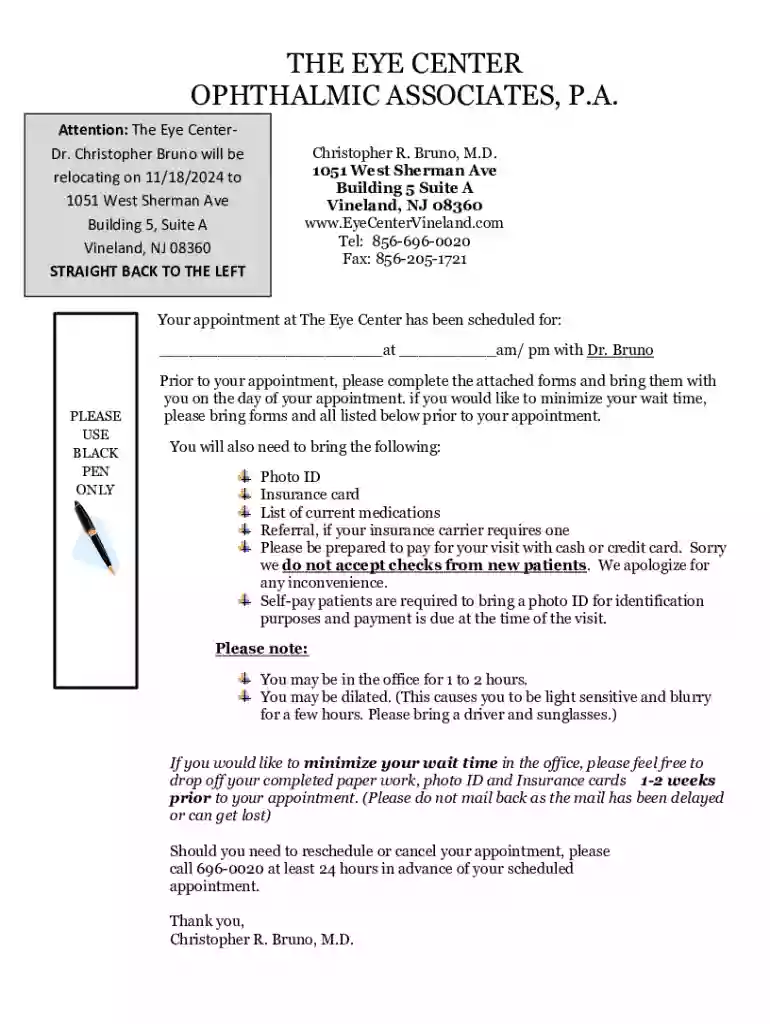
The "Patient Appointment and Information Form" is a document used to gather essential details from patients prior to healthcare appointments. This form serves as a comprehensive tool for collecting personal information, medical history, and insurance details. Its primary purpose is to ensure that healthcare providers have all the necessary information to deliver efficient and personalized care. The form typically includes sections for patient demographics, contact information, insurance policy details, and medical history.
- Patient Demographics: This section captures basic information such as name, age, gender, and contact details. It helps identify the patient and ensures accurate record-keeping.
- Medical History: Patients provide information on past medical conditions, allergies, current medications, and family health history. This data is crucial for assessing risks and tailoring treatment plans.
- Insurance Information: This part requires details about the patient's insurance provider, policy number, and coverage specifics to facilitate billing and claims.
How to Use the Patient Appointment and Information Form
To effectively use the Patient Appointment and Information Form, patients are advised to complete it prior to their healthcare appointment. This proactive approach minimizes wait times and allows healthcare providers to focus on patient care. Patients should ensure that all sections of the form are filled out accurately, as incomplete information can delay processing and affect the quality of care received.
- Review the Form Thoroughly: Before filling out the form, patients should carefully go over each section to understand the type of information required.
- Complete with Accurate Details: Providing precise and truthful information is essential, as discrepancies can lead to miscommunication or errors in treatment.
- Submit in Advance: If possible, submit the completed form to the healthcare provider prior to the appointment to expedite the check-in process.
Steps to Complete the Patient Appointment and Information Form
Completing the Patient Appointment and Information Form involves a series of straightforward steps aimed at gathering comprehensive patient information. Here are the typical steps patients should follow:
- Gather Necessary Documents: Before starting, collect your insurance card, identification, and any previous medical records that may be relevant.
- Fill Out Personal Information: Start with basic details such as name, birthdate, and contact information.
- Provide Insurance Details: Include information about your insurance provider, policy number, and any additional coverage.
- Detail Medical History: Note any past medical conditions, ongoing treatments, and known allergies.
- List Current Medications: Include all prescribed and over-the-counter medications currently being taken.
- Sign and Date the Form: Ensure the form is signed and dated, confirming the accuracy of the provided information.
Key Elements of the Patient Appointment and Information Form
The Patient Appointment and Information Form is structured to capture a wide range of information necessary for healthcare delivery. Key elements include:
- Patient Identification: Establishes who the patient is and facilitates communication.
- Medical History and Current Health Status: Guides healthcare providers in diagnosing, treating, and managing conditions.
- Insurance and Financial Responsibility: Ensures clear understanding of the payment process and coverage.
- Consent and Privacy Agreements: Often includes sections where patients consent to treatment and acknowledge privacy practices.
Legal Use of the Patient Appointment and Information Form
The legal implications of the Patient Appointment and Information Form are significant, as it involves sensitive personal and medical information. Compliance with regulations such as the Health Insurance Portability and Accountability Act (HIPAA) is mandatory, ensuring patient data privacy and security.
- Consent to Treatment: The form often includes consent for treatments, acknowledging patient awareness and agreement.
- Privacy Acknowledgment: Patients are informed of their rights regarding personal data through privacy policy acknowledgments.
Required Documents for Completing the Form
Providing complete and accurate information involves gathering documents that verify identity and coverage. These include:
- Insurance Card: Essential for detailing coverage information.
- Identification: Such as a driver's license or state-issued ID to confirm personal information.
- Medical Records: Previous records may be required, especially for new patients or those with extensive medical histories.
Form Submission Methods: Online, Mail, In-Person
The Patient Appointment and Information Form can typically be submitted through various methods, each offering different advantages:
- Online Submission: Through secure patient portals, allowing for convenience and accessibility.
- Mail: Traditional mailing of completed forms, though this may involve longer processing times.
- In-Person: Direct submission at the healthcare provider's office, often used during in-office visits to ensure completeness.
Digital vs. Paper Versions of the Form
The choice between digital and paper versions of the Patient Appointment and Information Form depends on patient preference and provider capabilities.
- Digital Forms: Enhance efficiency with features such as auto-fill and direct upload of insurance information, saving time and reducing errors.
- Paper Forms: Preferred by individuals less comfortable with technology or lacking access to electronic devices.