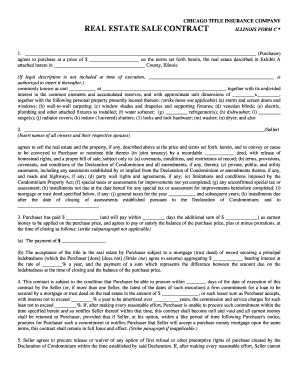
Assignment of sale contract agreement - Laura Alamery 2026

Get Form
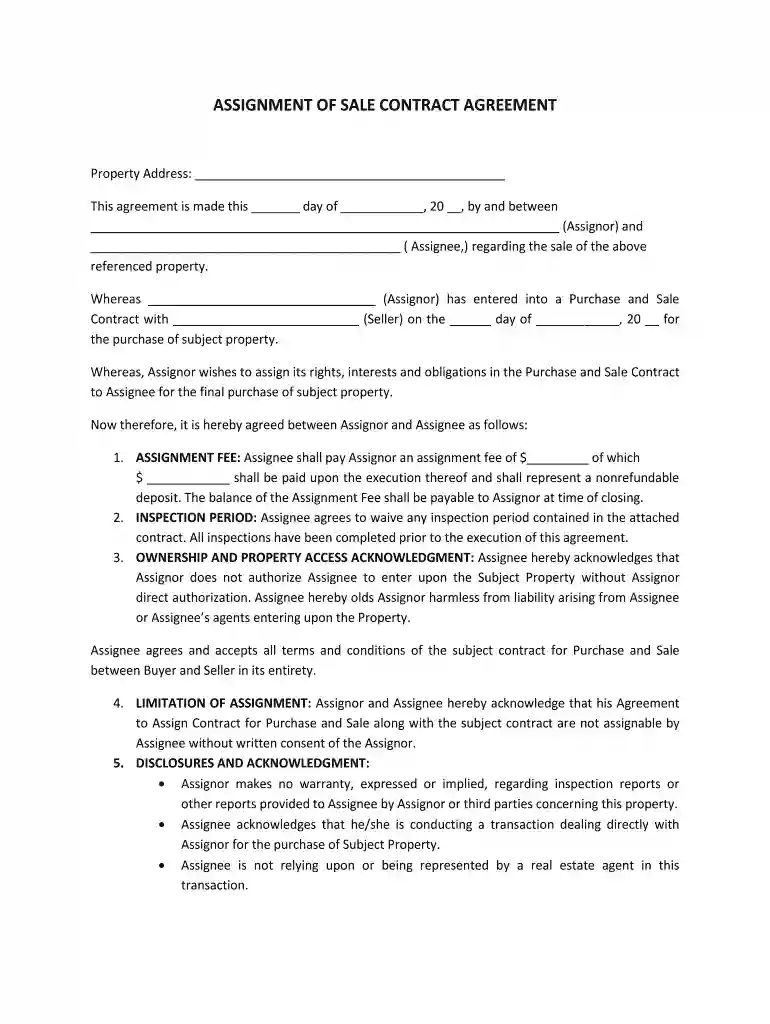
assignment of sale contract agreement - Laura Alamery Preview on Page 1

Here's how it works

01. Edit your form online
Type text, add images, blackout confidential details, add comments, highlights and more.

02. Sign it in a few clicks
Draw your signature, type it, upload its image, or use your mobile device as a signature pad.

03. Share your form with others
Send it via email, link, or fax. You can also download it, export it or print it out.

Definition and Meaning

The "assignment of sale contract agreement - Laura Alamery" is a legal document used in real estate transactions to transfer the rights and obligations of a purchase and sale contract from an Assignor to an Assignee. This agreement formalizes the assignment process, including the terms like assignment fees, waiver of inspection periods, and acknowledgment of property access limitations. It specifies that the Assignee accepts all terms of the original purchase contract, with the restriction that their rights cannot be reassigned without the Assignor’s consent.

Key Elements of the Agreement

Assignment Fee and Terms

  • Assignment Fee: The agreement may specify a fee payable by the Assignee to the Assignor for the transfer of contract rights.
  • Payment Terms: Details about when and how the assignment fee should be paid are included.

Acknowledgment and Waivers

  • Inspection Period Waiver: The Assignee may need to waive any inspection periods as part of accepting the agreement.
  • Access Limitations: The Assignee acknowledges any existing limitations on property access during the contract period.

Transfer of Obligations

  • Undertaking Responsibilities: Assignees agree to uphold all obligations set out in the original purchase contract.
  • Limitations on Rights: Assignees cannot transfer their rights without explicit permission from the Assignor.

Legal Use of the Assignment

The "assignment of sale contract agreement - Laura Alamery" ensures the seamless transition of contract obligations and rights from one party to another in real estate deals. It is essential for clarifying the roles and responsibilities transferred with the assignment, protecting interests on both sides, and ensuring compliance with relevant real estate laws. The agreement must be crafted to comply with local and federal regulations to maintain its legal standing.


Steps to Complete the Agreement

  1. Review the Original Contract: Understand the terms of the initial purchase contract to ensure compliance.
  2. Draft the Assignment Agreement: Use a template or legal guidance to prepare the contract, including vital details like parties involved and the property description.
  3. Negotiate Terms: Finalize assignment fees, responsibilities, and any waivers with the Assignee.
  4. Sign the Agreement: Ensure signatures from both the Assignor and Assignee, and legal witnesses if required.
  5. Document Storage: Keep all copies for personal records and legal compliance.

Important Terms

  • Assignments: The act of transferring rights and responsibilities.
  • Assignor: The person who is transferring their interest in the real estate contract.
  • Assignee: The person who receives the interest and agrees to the terms of the original contract.
  • Closing Date: The finalization date for property handover and legal fulfillment of the contract.

Who Typically Uses the Assignment Agreement

  • Real Estate Investors: Those flipping properties or looking to offload contracts.
  • Developers: Facilitating transitions in development projects.
  • Agents and Brokers: Assisting clients in contract transitions and negotiations.
decoration image ratings of Dochub

Who Issues the Form

Typically, the "assignment of sale contract agreement - Laura Alamery" is either issued or reviewed by real estate professionals, including attorneys, brokers, or agents specializing in contract assignments. They ensure the document meets legal standards and adheres to the specific requirements of the involved parties.

State-Specific Rules

Real estate laws vary by state, impacting the enforceability and specifics of assignment agreements. Some states may require particular disclosures or prohibit certain assignment practices. It is crucial to consult local laws or a legal professional to ensure state compliance with the assignment agreement.

Examples of Use Cases

Real Estate Flipping

Investors may use the agreement to transfer a property under contract to another buyer before finalizing the initial purchase, facilitating investment strategies without holding property directly.

Development Projects

Developers often engage in assignments to transfer contractual obligations and benefits to a successor entity, particularly in large, phased developments to accommodate financing or strategic changes.

Portfolio Rebalancing

Real estate entities may use assignment agreements when shifting assets within a corporate portfolio, ensuring efficient allocation without direct property transactions.

be ready to get more

Complete this form in 5 minutes or less

Get form

Got questions?

We have answers to the most popular questions from our customers. If you can't find an answer to your question, please contact us.
Contact us
The Transferee agrees to accept the transfer of all rights, titles, interests, duties, obligations, and liabilities of Transferor under the Contract, including but not limited to, and only where applicable, professional liability and the furnishing of valid certificates of insurance and bonds thereof to be effective as
Assignment contracts are legal in many places, but they must align with local real estate laws. They allow the assignor to transfer their rights to an assignee. However, not every contract can be assigned.
An assignment of contract occurs when one party to an existing contract (the assignor) hands off the contracts obligations and benefits to another party (the assignee). Ideally, the assignor wants the assignee to step into their shoes and assume all of their contractual obligations and rights.
A contract assignment means that a party to the contract assigns the entire contract to another party. This means that the party gives the obligations and benefits of an existing contract to another party.
Here are a few practical steps to guide you: Check your current contracts. Look for any clauses that restrict your right to assign or novate. Get everything in writing. Obtain consent if needed. Address consideration (for novation). Seek tailored legal advice.

Security and compliance

At DocHub, your data security is our priority. We follow HIPAA, SOC2, GDPR, and other standards, so you can work on your documents with confidence.

Learn more
ccpa2
pci-dss
gdpr-compliance
hipaa
soc-compliance
be ready to get more

Complete this form in 5 minutes or less

Get form

People also ask

An assignment agreement is a legal contract that transfers the rights and obligations of a buyer in a real estate transaction to another party, known as the assignee. This agreement allows the original buyer to exit the deal, and the assignee takes over the contract, assuming all responsibilities and benefits.
Buyer Liability for Closing Costs: The buyer who purchases your assignment will be responsible for docHub closing costs, including land transfer taxes, legal fees, and development charges.

Related links