




01. Edit your form online
Type text, add images, blackout confidential details, add comments, highlights and more.

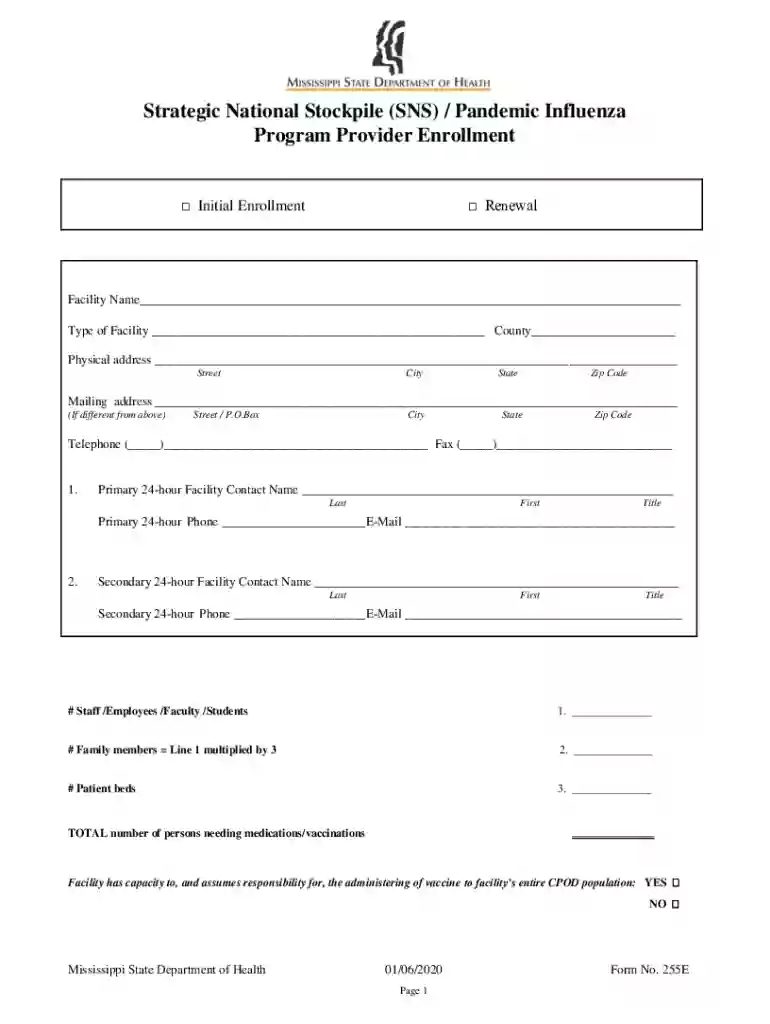
Type text, add images, blackout confidential details, add comments, highlights and more.

Draw your signature, type it, upload its image, or use your mobile device as a signature pad.

Send it via email, link, or fax. You can also download it, export it or print it out.
The "National Strategy for Pandemic Influenza - George W Bush" outlines the plan developed during the Bush administration to prepare for and combat pandemic influenza. This strategy is a comprehensive framework that addresses preparedness, detection, and response activities associated with potential influenza pandemics. The strategy aims to minimize the health, social, and economic impacts of a pandemic by ensuring a coordinated federal, state, and local response. It emphasizes a collaborative approach involving public health agencies, private sectors, and international partners.
Preparedness and Communication: This element focuses on improving readiness at all government levels and communicating effectively with the public. Strategies include updating pandemic plans, stockpiling necessary medical supplies, and conducting regular training exercises.
Surveillance and Detection: Enhancing monitoring and early detection mechanisms is vital for quickly identifying and managing influenza outbreaks. This includes tracking disease spread at local and international levels and implementing rapid diagnostic tools.
Response and Containment: Once a pandemic threat is identified, swift containment efforts are crucial. The strategy prioritizes resources for healthcare support, enforcing quarantine measures if necessary, and implementing vaccination programs.
The strategy is primarily used by public health officials, government agencies, healthcare providers, and policymakers. These stakeholders rely on the strategy to guide decision-making processes and coordinate pandemic response efforts. It also informs private sector entities involved in healthcare, such as pharmaceutical companies, and serves as a reference for developing corporate contingency plans.


Review Existing Plans: Organizations and agencies must start by assessing their current pandemic preparedness plans, aligning them with the national strategy's guidelines.
Conduct Risk Assessments: Identifying potential vulnerabilities in the system helps prioritize actions and resources effectively.
Engage in Cross-Sector Collaboration: Developing partnerships with private sectors, non-government organizations, and international bodies ensures a unified approach.
Implement Training and Exercises: Regular drills and simulations help to maintain readiness and refine response strategies.
Evaluate and Adjust: Continuously assessing the effectiveness of the implemented measures and making necessary adjustments help in maintaining optimal preparedness levels.
To effectively use the "National Strategy for Pandemic Influenza - George W Bush," organizations should incorporate its guidelines into their emergency response plans. This involves updating communication channels, developing public awareness campaigns, and ensuring the availability of critical resources. By doing so, entities can strengthen their overall capacity to handle pandemic situations efficiently.
Public Health Campaigns: Local health departments may launch campaigns to educate the public about preventive measures against influenza.
Supply Chain Management: Pharmaceutical companies might use the strategy to improve their supply chain logistics for distributing vaccines.
International Coordination: Governments might collaborate with global health organizations to develop standardized protocols for pandemic response.
Organizations utilizing the National Strategy must ensure their actions comply with federal, state, and local regulations. This includes adhering to public health laws, privacy protections, and ethical guidelines concerning quarantine and isolation measures. Non-compliance can result in legal penalties and undermine public trust during critical times.
While the national strategy provides a unified framework, individual states may have specific rules or adaptations to address local needs and conditions. For instance:
Emergency Powers: Some states may have laws granting additional powers to governors during health emergencies.
Healthcare Infrastructure: Differences in healthcare capacity may require state-specific strategies to optimize resource allocation.
Cultural Considerations: Diverse populations may necessitate tailored communication and outreach efforts to ensure compliance and understanding.
Managing pandemic strategies can benefit from digital tools that offer easier access, updates, and collaboration capabilities. Digital versions allow for real-time data integration and widespread dissemination, whereas paper versions might serve as backups in cases where digital access is limited. Providing both formats ensures accessibility and continuity in various scenarios.
We've got more versions of the National Strategy for Pandemic Influenza - George W Bush form. Select the right National Strategy for Pandemic Influenza - George W Bush version from the list and start editing it straight away!
At DocHub, your data security is our priority. We follow HIPAA, SOC2, GDPR, and other standards, so you can work on your documents with confidence.


Dec 18, 2006 The National Strategy for Pandemic Influenza was released by the President on November 1, 2005, on the same day that the President requestedRead more
National Strategy for Pandemic Influenza, a comprehensive approach to addressing the threat of pandemic influenza. GEORGE W. BUSH


