






Definition & Meaning
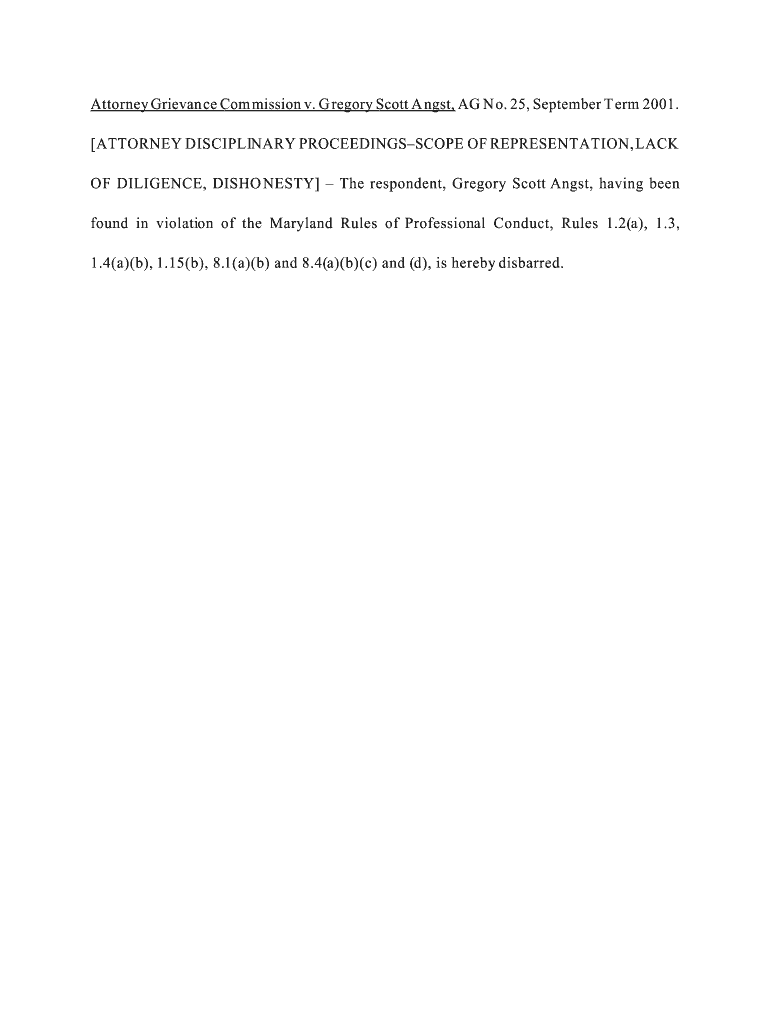
The "Attorney Grievance Commission v. Gregory" in the Maryland state court context refers to a disciplinary action process where an attorney is reviewed for potential violations of legal conduct standards. In the case of Gregory Scott Angst, the Maryland Court of Appeals initiated this process due to breaches of the Maryland Rules of Professional Conduct, resulting in his disbarment. The case outlines significant misconduct, including lack of diligence, dishonesty, and poor client communication, particularly involving a mishandled quit claim deed for a deceased client. This decision underscores the state's commitment to upholding ethical legal practices.
Key Elements of the Attorney Grievance Process
The process involves several stages, beginning with initiating a complaint with the Attorney Grievance Commission. The complaint is investigated thoroughly to determine if there is a potential violation of the Maryland Rules of Professional Conduct. Key elements considered in Gregory's case included:
- Evidence of Misconduct: Analysis of the actions or inactions of the attorney.
- Pattern of Behavior: Examination of whether the misconduct was isolated or part of a broader pattern.
- Client Impact: Evaluation of the tangible effects on the clients involved, including harm or prejudice caused.
Important Terms Related to the Grievance Case
Understanding terminology is crucial:
- Disbarment: The process of removing a lawyer's license to practice law due to ethical violations.
- Maryland Rules of Professional Conduct: A set of ethical guidelines that attorneys in Maryland are required to follow.
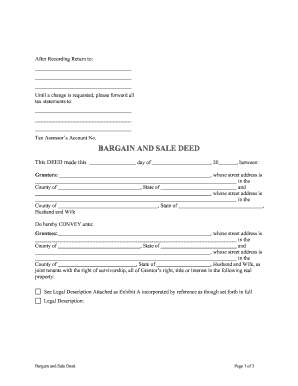
- Quit Claim Deed: A legal instrument that is used to transfer interest in real property.
Legal Use of the Attorney Grievance Proceedings
The legal use of such proceedings is to maintain standards within the legal profession. It ensures:
- Accountability: Attorneys adhere to ethical and legal standards.
- Protection of Public Interest: Clients receive competent and honest legal representation.
- Restoration of Trust: Upholding the integrity of the legal profession within the community.
Steps to File a Grievance Complaint
- Initiate the Complaint: Submit a detailed complaint to the Attorney Grievance Commission.
- Investigation: The commission investigates the allegations through interviews, documents, and evidence review.
- Hearing: If warranted, a formal hearing is conducted to evaluate the allegations.
- Ruling: The court makes a decision based on the findings, which could include sanctions, suspension, or disbarment.
Who Typically Uses the Attorney Grievance Process
- Clients: Individuals who feel they have experienced malpractice or misconduct.
- Peers: Fellow attorneys who observe questionable professional behavior.
- Regulatory Bodies: Oversight bodies seeking to enforce ethical standards across the legal profession.


State-Specific Rules for Attorney Disciplinary Actions
Maryland has specific rules under its Professional Conduct framework, which include:
- Confidentiality of Proceedings: Complaints and investigations are typically confidential until formal charges are filed.
- Sanction Guidelines: Detailed criteria for when and how sanctions should be applied.
- Appeal Process: A defined process for attorneys to appeal disciplinary decisions.
Examples of Misconduct Leading to Grievance Filings
Real-world scenarios highlight common causes for grievance filings:
- Dishonesty: Misrepresentation of case outcomes or falsification of documents.
- Neglect: Failure to inform clients of critical case developments.
- Conflict of Interest: Representing clients with competing interests without adequate disclosure.
Penalties for Non-Compliance with Attorney Standards
Consequences for violating the Maryland Rules of Professional Conduct can be severe:
- Reprimand: An official warning recorded in the attorney's file.
- Suspension: Temporary removal from practice.
- Disbarment: Permanent removal from the ability to practice law.
Application Process & Approval Time for Grievance Filings
Filing a grievance involves:
- Completing a Complaint Form: Input specific details about the alleged misconduct.
- Review Period: Initial review by the commission may take several weeks.
- Investigation Duration: Range from months to a year, depending on case complexity.
Digital vs. Paper Version of Grievance Submissions
While traditional methods include paper submissions via mail, many jurisdictions now offer:
- Online Submission: Digital forms can expedite the process, allowing quicker review and response.
- Security Measures: Digital submissions are encrypted to safeguard sensitive information.
How to Use Available Software Tools for Document Preparation
For attorneys responding to grievance charges or preparing related documents:
- DocHub Features: Utilize text additions, annotations, and digital signatures to prepare responses.
- Collaboration Tools: Gather inputs from multiple stakeholders efficiently through shared document access.
- Security Options: Use encryption and password protection features to secure case-related documents.