Definition and Meaning
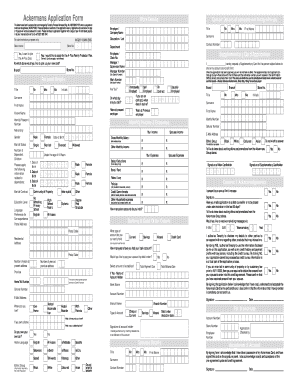
A patient demographic form is an essential document used by healthcare institutions to collect critical information about patients. This form is designed to capture a comprehensive profile of the patient, which typically includes personal details such as name, address, date of birth, and contact numbers. This information is crucial for generating accurate patient records and ensuring effective communication between medical staff and patients.
The form generally includes fields for insurance information, which assists in the billing and claims process. By capturing data on the patient’s primary insurance provider and policy number, healthcare facilities can streamline financial transactions and reduce the potential for billing errors. Furthermore, the form plays a pivotal role in gathering medical history, which helps in assessing the patient’s current health needs and generating effective treatment plans.
Key Elements of the Patient Demographic Form
A well-structured patient demographic form usually includes several key components to capture comprehensive information:
- Personal Information: This section gathers essential identification details such as full legal name, date of birth, gender, and social security number. Additional fields might include marital status and employment information.
- Contact Information: Essential for communication purposes, this section collects phone numbers (home and mobile), email addresses, and residential/emergency contact details.
- Insurance Information: Here, patients list their primary and secondary insurance providers, policy numbers, and group numbers. This section may also capture authorization signatures for billing purposes.
- Medical History: Collects relevant past medical history, including a list of current medications, previous surgeries, and chronic conditions.
- Consent Sections: Includes fields for consent to treatment, sharing of medical records, and agreement to the facility’s privacy policies.
- Communication Preferences: Patients can specify their preferred method for receiving communications (e.g., phone, text, or email) and their language preference.
How to Use the Patient Demographic Form
Healthcare providers use the patient demographic form as a tool to enhance the quality of care provided to patients. Here’s how the form is typically used:
- New Patient Registration: During the initial visit, new patients complete the form to establish a medical record.
- Updating Records: Existing patients may be asked to update their demographic information periodically to ensure records are current.
- Billing and Insurance Processing: The insurance details captured in the form are used for verifying coverage and processing claims.
- Treatment Planning: Medical history and personal data provide critical insights for doctors when formulating treatment plans.
Steps to Complete the Patient Demographic Form
Completing a patient demographic form efficiently can be straightforward with the following steps:
- Review Instructions: Begin by carefully reading any instructions provided with the form to ensure all sections are completed accurately.
- Fill in Personal Details: Start by entering your personal information, including full name, address, and contact numbers.
- Enter Insurance Information: Provide details regarding your insurance coverage. Have your insurance card on hand for accuracy.
- Health History Information: List any existing medical conditions, past surgeries, or medications you are currently taking.
- Review and Consent: After completing all sections, review the form for accuracy and provide necessary consent signatures.
Important Terms Related to Patient Demographic Form
Understanding the following terms is important when dealing with patient demographic forms:
- Policy Number: A unique number assigned by the insurance company that identifies the patient’s policy.
- Group Number: A number that identifies the patient’s employer or association within a group health plan.
- HIPAA: An acronym for Health Insurance Portability and Accountability Act, which mandates standards for protecting sensitive patient information.
- Primary Care Physician (PCP): The main doctor who provides general healthcare to the patient and refers them to specialists as needed.
Digital vs. Paper Version
Healthcare facilities can opt to use either digital or paper versions of the patient demographic form:
- Digital Forms: Often integrated within electronic health records (EHR) systems, allowing for easier updates and secure storage. They reduce errors often associated with manual entry and can be easily shared with other medical professionals.
- Paper Forms: Used in settings where digital access is limited. They require manual handling, which might introduce errors but serve as an accessible record option for patients uncomfortable with digital technology.
Legal Use of the Patient Demographic Form
Patient demographic forms must comply with legal standards, particularly concerning privacy and data protection:
- HIPAA Compliance: Ensures that any patient information contained within the form is treated confidentially and securely.
- Patient Consent: All consents must be clearly documented on the form to allow healthcare providers to use or share demographic and health information.
- Data Accuracy: Healthcare providers are required by law to maintain accurate and up-to-date records, making the correct completion of these forms crucial.
State-Specific Rules for the Patient Demographic Form
While patient demographic forms are widely standardized, certain elements can vary by state due to local regulations and healthcare policies. Consider the following:
- Insurance Requirements: Some states may have specific fields relating to state-provided health benefits or mandates regarding insurance information.
- Language Preferences: Forms might need to be available in multiple languages based on regional demographics and state laws regarding language access.
- Treatment Consent: Different states might have varying rules for documenting patient consent, especially regarding minors or specific medical procedures.