Truck inventory sheet 2026

Get Form
bruhsailer google doc Preview on Page 1

Here's how it works

01. Edit your bruhsailer google doc online
Type text, add images, blackout confidential details, add comments, highlights and more.

02. Sign it in a few clicks
Draw your signature, type it, upload its image, or use your mobile device as a signature pad.

03. Share your form with others
Send it via email, link, or fax. You can also download it, export it or print it out.

Definition and Purpose of a Truck Inventory Sheet

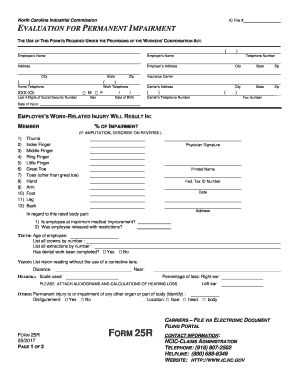
A truck inventory sheet is a detailed document that tracks and logs all tools and equipment assigned to a specific truck. This sheet includes vital information such as the quantity, model, and serial numbers of the equipment, as well as their current status and any relevant comments regarding repairs or the need for restocking. Using this inventory sheet ensures that companies have an accurate account of the tools on each truck, facilitating efficient operations and preventing losses.

Key Components of a Truck Inventory Sheet

  • Item Details: Each inventory sheet lists specific information about the items, including make, model, and unique serial numbers. This allows for precise identification and assists in tracking the usage and condition of each tool.
  • Quantity: The sheet specifies the number of units available for each item, aiding in maintaining stock levels and avoiding shortages.
  • Condition and Status: Notes on the condition and operational status of each tool help identify items that require maintenance or replacement, ensuring that all equipment is ready for use when needed.
  • Comments and Notes: Additional sections are available for notes on future repairs, restocking dates, or other pertinent information concerning the management of tools.

How to Use a Truck Inventory Sheet

Step-by-Step Guide

  1. Begin with Basic Information: Start by filling out the fundamental details, including the identification number of the truck and the department or team responsible for the truck.
  2. List All Tools and Equipment: Enter each tool or piece of equipment assigned to the truck. Use predefined categories or sections to organize items logically.
  3. Enter Specific Information: For each item, note the quantity, model, serial number, and current condition. This data should be recorded accurately to ensure effective tracking.
  4. Review and Update Regularly: Periodically review the inventory sheet to ensure all entries are current and accurate. Update the status or quantity as needed to reflect changes such as repairs or replacements.

Tips for Efficient Use

  • Regularly check the inventory against physical items to ensure accuracy.
  • Use digital solutions to simplify updates and share information with the team.
  • Implement checks and balances by having more than one person periodically verify the inventory.

Key Elements of a Truck Inventory Sheet

Essential Fields

  • Item Description: A short description of each tool or equipment piece helps identify its purpose.
  • Unique Identifiers: Using serial numbers or unique identifiers for each item prevents confusion, especially if multiple trucks carry similar equipment.
  • Current Status: A quick-reference status indicator tells whether an item is operational, under repair, or awaiting replacement.

Importance of Details

Including fields for repair dates and notes allows for better planning concerning equipment downtime and maintenance schedules. This aids in minimizing operational disruptions.

Who Typically Uses a Truck Inventory Sheet

Truck inventory sheets are essential for various roles and sectors, including:

  • Logistics Companies: To manage tools necessary for loading and unloading goods.
  • Construction Firms: For keeping track of site-specific equipment that is transported via trucks.
  • Event Management: For audio-visual equipment and other items that need to be moved from one location to another.
  • Utility Services: To keep a record of maintenance tools and equipment used in the field.

Examples of Using a Truck Inventory Sheet in Practice

Real-World Applications

  • Construction Site Management: A foreman uses the inventory sheet to ensure all necessary tools are present and functioning before leaving for the job site.
  • Service Vehicle Logistics: A service manager reviews the sheet to confirm that all repair equipment is loaded and service records are up-to-date before dispatching vehicles.
  • Equipment Rentals: A rental company logs tools leaving and returning to the depot, minimizing loss or misplacement.

Practical Benefits

Using an inventory sheet minimizes downtime spent searching for or replacing lost equipment, ultimately promoting efficiency and cost savings.

Digital vs. Paper Version of Truck Inventory Sheet

Advantages of Digital Versions

  • Real-Time Updates: Digital inventory sheets allow for real-time updates, ensuring that information is always current.
  • Easy Sharing and Access: Digital formats can be shared easily among team members, promoting transparency and accessibility.
  • Automated Calculations: Built-in functions can automatically track and adjust total quantities, simplifying inventory management.

Considerations for Paper Versions

While digital versions offer significant advantages, paper sheets may be preferred in situations where digital access is limited. They serve as a backup in cases of technical problems and can be more accessible in remote locations without internet.

State-Specific Considerations for Truck Inventory Sheets

While the core components of a truck inventory sheet remain consistent, state-specific regulations and practices may influence details such as compliance requirements or specific fields required for legal or logistical reasons. It's crucial to be aware of any local rules or industry-specific requirements that dictate how inventory and equipment management should be handled.

Regional Variations

  • Safety Standards: Different states may have varying safety standards that affect the types of information recorded on inventory sheets.
  • Operational Requirements: Some regions might mandate specific documentation practices for inspection or compliance purposes.

Understanding these variations can optimize resource allocation and ensure that operations remain within legal frameworks.

be ready to get more

Complete this form in 5 minutes or less

Get form

Got questions?

We have answers to the most popular questions from our customers. If you can't find an answer to your question, please contact us.
Contact us
Use Barcoding, RFID, and GPS technology Incorporating modern technologies such as barcoding, RFID (Radio-Frequency Identification), and GPS (Global Positioning System) into truck inventory management practices can docHubly enhance the efficiency and accuracy of tracking and managing inventory and assets.
To create an inventory list manually, an inventory manager has to physically count each item in stock and record the information on a form or template they create or download. For the most accurate results, the list will need to be updated to keep pace with how often inventory levels change.
Streamline your inventory management with our free customizable Google Sheets Inventory Template, available for free download. Download, customize, and start tracking with our simple guide.
Heres how to create your own inventory sheet in just four steps: Open a Spreadsheet. You can use any spreadsheet you like. Name Your Headings. This gives you the information that you will collect on each item in inventory. Enter Basic Item Information. Save Your Work.
Excel Basic Inventory Control Template Notable Template Features: This template allows you to view inventory by item name, description, ID number, or unit price. Use it to track reorder dates, discontinued items, and the total quantity and value of your current inventory.

Security and compliance

At DocHub, your data security is our priority. We follow HIPAA, SOC2, GDPR, and other standards, so you can work on your documents with confidence.
Learn more
ccpa2
pci-dss
gdpr-compliance
hipaa
soc-compliance