




Definition & Meaning
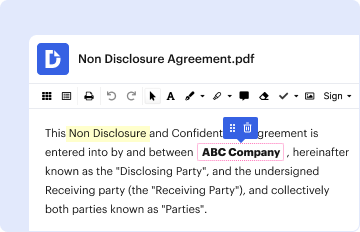
The A to Z Nanny Contract is a comprehensive document designed to establish a formal agreement between a nanny and their employer. This contract outlines the expectations, responsibilities, and legal obligations of both parties, ensuring a clear understanding of employment terms. It is essential for preventing misunderstandings and conflicts, as it covers critical aspects such as work hours, compensation, duties, and termination conditions. By offering a standardized approach, the A to Z Nanny Contract helps streamline the hiring process and provides a framework for a harmonious working relationship.
Key Elements of the A to Z Nanny Contract
A well-crafted nanny contract should include several essential components to ensure clarity and fairness. Key elements typically involve:
- Duties and Responsibilities: Clearly defined tasks the nanny is expected to perform, such as childcare, meal preparation, and household chores.
- Compensation and Benefits: Details regarding hourly or salaried pay, overtime rates, payment frequency, and any additional benefits like health insurance or paid leave.
- Work Schedule: Specific work hours, including start and end times, any agreed-upon flexibility, and expectations for holidays or vacations.
- Confidentiality Agreement: Clauses that protect the privacy of the family and the nanny, managing the handling of any sensitive information.
- Termination Conditions: Conditions under which either party can terminate the contract, including notice periods and grounds for immediate termination.
Steps to Complete the A to Z Nanny Contract
Completing an A to Z Nanny Contract involves a series of careful steps to ensure accuracy and mutual agreement:
- Initial Meeting: Discuss key points such as duties, compensation, and work schedule with potential nannies to reach a preliminary agreement.
- Drafting the Contract: Use a template or legal guidance to draft the contract, ensuring all important details are covered.
- Review with Nanny: Go through the contract with the nanny, allowing for questions or concerns about specific clauses.
- Negotiation: Be open to reasonable requests for adjustments to terms like working hours or specific duties.
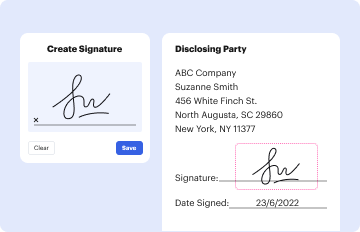
- Finalize and Sign: Once both parties agree on the terms, sign the contract to make it legally binding.
- Regular Reviews: Schedule periodic reviews to ensure the contract remains relevant and adjust as needed.
Why Use an A to Z Nanny Contract
Employing an A to Z Nanny Contract offers numerous benefits to both families and nannies:
- Clarity: Provides a clear understanding of expectations, reducing potential conflicts.
- Legal Protection: Offers legal safeguards for both parties in case of disputes.
- Professional Relationship: Establishes a professional work environment, enhancing respect and communication.
- Record Keeping: Serves as a formal record of employment terms, which can be useful for legal or personal records.
- Flexibility and Customization: Can be tailored to meet the unique needs of each household, allowing for adjustments in personal preferences or employment conditions.
How to Obtain the A to Z Nanny Contract
Acquiring an A to Z Nanny Contract can be done through multiple avenues:
- Online Templates: Many websites offer downloadable and customizable contract templates specific to nanny employment.
- Legal Services: Hiring a lawyer to draft a contract ensures that it adheres to state and federal laws.
- Nanny Agencies: Agencies often provide contracts as part of their placement services, which can be tailored to individual requirements.
- Professional Organizations: Childcare professional associations might offer contract templates or samples as a member benefit.
Important Terms Related to A to Z Nanny Contract
Understanding common terms can help both parties when discussing or drafting a nanny contract:
- Gross Pay: Total earnings before deductions, such as taxes or social security.
- Net Pay: Earnings after deductions have been subtracted.
- Live-In/Live-Out: Refers to whether the nanny resides in the employer's home; often impacts work hours and benefits.
- Trial Period: A short-term agreement to evaluate the compatibility between the nanny and the family.
- Non-Compete Clause: Limits the nanny's ability to work with other families during or after the employment period within a specific geographic area.
Legal Use of the A to Z Nanny Contract
Legally utilizing the A to Z Nanny Contract ensures compliance with employment laws and guidelines:
- Compliance with State Laws: Contracts should adhere to state-specific regulations about wages, work hours, and employment rights.
- Federal Law Considerations: Ensure compliance with federal laws such as the Fair Labor Standards Act (FLSA).
- Employer Obligations: Includes obligations for tax withholdings, workers' compensation, and reporting earnings for tax purposes.
- Enforceability: Clearly defined terms and conditions make it easier to enforce the contract in legal settings if disputes arise.
Examples of Using the A to Z Nanny Contract
Practical examples illustrate how an A to Z Nanny Contract operates in different scenarios:
- Trial Hire: Use a trial period clause to assess compatibility, protecting both parties before committing to a long-term arrangement.
- Salary Adjustments: Fine-tune compensation clauses if duties or work hours change significantly after hiring.
- Resolving Disputes: Implements a formal process for addressing and mediating disagreements, helping maintain a professional relationship.
- Custom Requirements: Contracts can include personalized conditions, such as dietary preferences in care, or handling children's online activities.
Understanding the importance and application of an A to Z Nanny Contract ensures both families and nannies establish a professional, transparent, and legally compliant working relationship.