



01. Edit your free printable home inspection checklist for buyers pdf online
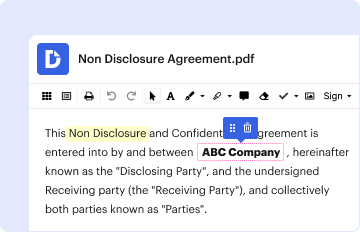
Type text, add images, blackout confidential details, add comments, highlights and more.

Type text, add images, blackout confidential details, add comments, highlights and more.
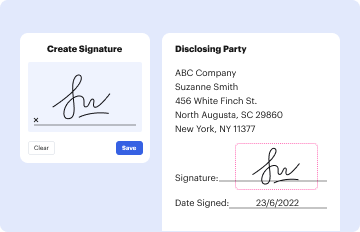
Draw your signature, type it, upload its image, or use your mobile device as a signature pad.

Send home inspection checklist excel via email, link, or fax. You can also download it, export it or print it out.
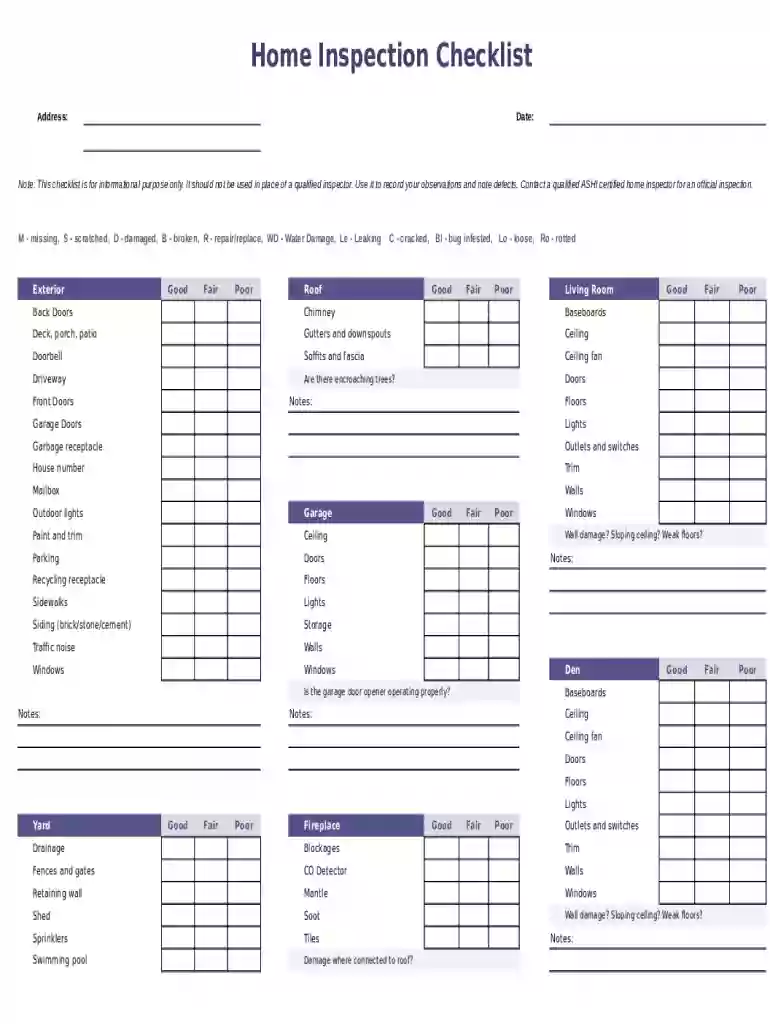
The printable home inspection checklist serves as a crucial tool for assessing the condition of a property. It is specifically designed to help both buyers and sellers document the state of various aspects of a home. Common areas of concern include structural integrity, plumbing, electrical systems, and safety features. By systematically evaluating each section, users can identify areas that may require repair or maintenance, ensuring that potential issues are addressed before a sale or purchase is finalized.
This checklist is typically organized into categories such as exterior, roof, interior spaces, appliances, and utilities. Each category allows for detailed observations and ratings, classifying conditions as 'Good', 'Fair', or 'Poor'. This structured approach not only facilitates thorough inspections but also provides a reference point for negotiations between buyers and sellers. In essence, the checklist aids in making informed decisions and prioritizing repair tasks based on the property’s overall condition.
To maximize the utility of the printable home inspection checklist, follow these strategic steps:
Preparation Before Inspection
Conducting the Inspection
Completing the Checklist
Following this systematic approach not only ensures a thorough assessment but also provides a clear, documented account of the property's condition, which can be beneficial for negotiations or repairs.
Acquiring a printable home inspection checklist is straightforward. Various resources are available, often in downloadable formats:
Finding a resource that suits your inspection needs allows you to prepare adequately for the inspection process while ensuring you have a reliable evaluation tool at hand.
Completing the checklist requires a methodical and attentive approach. Here are detailed steps to ensure thoroughness:
Print and Prepare
Systematic Inspection
Record Observations
Final Assessment
Discuss Findings
By following these structured steps, you can complete the home inspection checklist accurately and effectively, leading to informed decisions regarding the property.
The printable home inspection checklist is utilized by a diverse range of individuals and professions, each benefiting from its systematic approach to property evaluation:
Ultimately, the checklist serves as an essential resource for anyone involved in the evaluation, buying, or selling of property, facilitating a structured approach to identifying and addressing issues effectively.


Understanding key terminology associated with the printable home inspection checklist enhances clarity and improves communication during property evaluations. These terms include:
Familiarity with these terms not only aids in the inspection process but also fosters dialogue between buyers, sellers, and real estate professionals around property conditions, potential repairs, and negotiations.
A comprehensive printable home inspection checklist typically includes several pivotal elements designed to enhance thoroughness during evaluations:
Exterior Inspection: A section dedicated to assessing the outside of the home, including the roof, gutters, siding, and foundation. Users will check for visible damage, maintenance needs, and overall condition.
Interior Evaluation: Areas addressed here include rooms, hallways, and common spaces. Inspectors look for water stains, cracks, and any malfunctions in heating and cooling systems.
Systems Assessment: This section involves examining the plumbing and electrical systems. Key aspects include water pressure tests, visible leaks, and the integrity of wiring and outlets.
Safety Checks: Important safety elements such as smoke detectors, carbon monoxide detectors, and proper ventilation must be confirmed, ensuring that the home meets basic safety standards.
Notes and Recommendations: Each section provides space for detailed observations and any recommendations for monitoring or remediation of identified issues.
By incorporating these critical elements, the checklist becomes a powerful tool for accurately assessing the overall condition of a property and identifying necessary repairs, ultimately contributing to a successful transaction.
Utilizing the printable home inspection checklist effectively can lead to informed decisions. Here are a few scenarios illustrating its practical use:
Scenario: Home Buyer Inspection
A first-time homebuyer, aware of potential pitfalls in properties, prints a checklist to accompany them during viewings. As they inspect different homes, they record issues like a leaky faucet and uneven flooring. This documentation helps them negotiate repairs with the seller before closing.
Scenario: Seller Preparedness
A homeowner implements the checklist prior to listing their property. By identifying minor issues such as peeling paint and aging appliances, they address concerns that could deter buyers. Their proactive approach leads to a smoother sale process, as the home receives favorable inspections without significant red flags.
Scenario: Property Manager Routine Check
A property manager uses the checklist during a periodic inspection of a rental unit. They identify minor maintenance issues, such as a ceiling fan that needs repair. By addressing these concerns promptly, tenant satisfaction improves, and turnover is reduced.
These examples demonstrate how effectively using a printable home inspection checklist can lead to better outcomes for both buyers and sellers, while promoting the upkeep of properties in rental situations.
Sure, and it’s really straightforward! DocHub is a web-based PDF editor with advanced document management functions that allow you rapidly edit your paperwork, fill out empty fields and add new ones for others to fill out, and create eSignatures in several ways. Add your printable home inspection checklist, give information as required, and decide how you want to eSign your template - by typing your name, drawing your signature, uploading its picture, or using a QR code.
Apart from an extensive toolset for editing PDFs on mobile devices, DocHub enables you to sign your mobile home inspection checklist pdf along the way. Open our editor in your internet browser, make modifications using DocHub’s toolset, and finish your editing by eSigning the finished form.
At DocHub, your data security is our priority. We follow HIPAA, SOC2, GDPR, and other standards, so you can work on your documents with confidence.
Feb 19, 2026 Complete home roofing guide: shingles, metal, tile options, cost comparisons, finding contractors, and what to expect during roof
HOME INSPECTION CHECKLIST. SITE. YES/NO NOTES. Is their adequate drainage around the site? Yes. No. Is there evidence of debris that could harbor pestsRead more
Are porch area(s) in good condition? Are the stairways a non-slippery surface? Use this checklist to identify possible safety problems in your home. AsRead more


