Definition & Meaning
A tattoo artist license is a certification that allows individuals to legally practice tattooing professionally within a specific jurisdiction. It serves as proof that the tattoo artist has met the necessary education, training, and health standards required to perform tattoos safely and hygienically. This license typically involves meeting specific state or local government requirements and varies in terms of validity and renewal processes.
How to Obtain the Tattoo Artist License
To obtain a tattoo artist license, an applicant often needs to complete several key steps, which may differ depending on state laws in the U.S.:
-
Education and Training:
- Complete a specified number of hours in a recognized tattoo artist training program.
- Some states may require completion of courses in bloodborne pathogens and first aid.
-
Apprenticeship:
- Certain jurisdictions require an apprenticeship under a licensed tattoo artist, which typically involves practical and supervised experience.
-
Exams:
- Pass any required examinations that test knowledge on safety, sanitation, and regulations.
-
Application Submission:
- Fill out the necessary application form provided by the regulatory board.
- Submit to a background check, which often includes a criminal history report.
-
Fees:
- Pay any applicable fees associated with the license application and exams.
Steps to Complete the Tattoo Artist License
-
Gather Necessary Documentation:
- Collect proof of age, apprenticeship hours, educational certificates, and exam results.
-
Download/Form Completion:
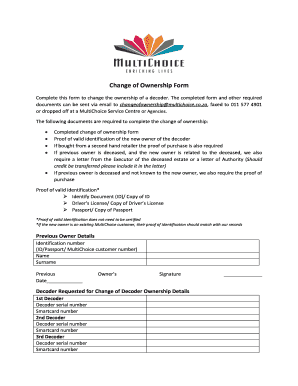
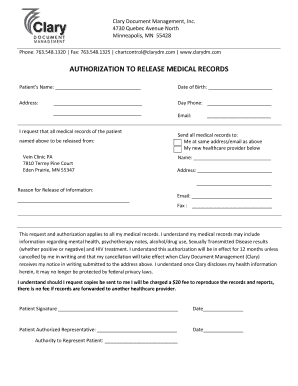
- Obtain the tattoo artist license application form from the state regulatory body’s website or local office.
-
Complete the Application Form:
- Fill out all required sections accurately, such as personal information, training details, and employment history.
-
Prepare for Submission:
- Attach all required documents such as background checks and educational certifications.
-
Submit the Application:
- Submit your application via the designated method—online, mail, or in-person depending on state guidelines.
-
Follow-Up:
- Keep track of your application status and respond promptly to any additional requests from the licensing authority.
Legal Use of the Tattoo Artist License
A tattoo artist license legally permits practicing tattoo artistry within the bounds of the law. It ensures that individuals adhere to health and safety regulations, reducing risks to both the artist and clients. Compliance with local laws prevents potential legal actions that could arise from unlicensed tattoo activities, offering protection and credibility within the industry.
State-Specific Rules for the Tattoo Artist License
Different states in the U.S. have varied requirements and rules for obtaining a tattoo artist license:
- California: Requires over 600 hours of classroom and practical training, with a focus on health and safety.
- New York: Mandatory registration and passing of a health department exam, with part-time apprenticeships accepted.
- Texas: Emphasizes infection control education alongside a mandatory state examination for licensing.
Required Documents
- Proof of Age: Government-issued ID verifying the applicant is of legal age.
- Educational Certificates: Completion certificates from recognized tattoo training programs.
- Background Check: Document showing criminal history if jurisdiction requires.
- Proof of Apprenticeship: Record of hours completed under supervision, if applicable.
Application Process & Approval Time
-
Application Review:
- Once submitted, the application is reviewed by the state's health department or regulatory board for completeness and compliance with requirements.
-
Assessment Period:
- The time taken for an application to be processed and approved varies by state, typically ranging from a few weeks to a couple of months.
-
Issuance of License:
- Upon approval, the license is issued, granting legal permission to practice as a tattoo artist.
-
Renewal Cycle:
- Licenses generally need renewal every one to two years, with requirements including continuous education and fee payments.
Penalties for Non-Compliance
Failing to comply with licensing requirements can lead to serious repercussions:
- Fines: Monetary penalties imposed for practicing without a valid license.
- License Suspension or Revocation: Temporary or permanent loss of the ability to legally practice.
- Legal Action: Prosecution under local and state laws, potentially leading to criminal charges.
Staying informed and compliant with licensing requirements helps tattoo artists maintain professional integrity and avoid these potential consequences.