Definition & Meaning
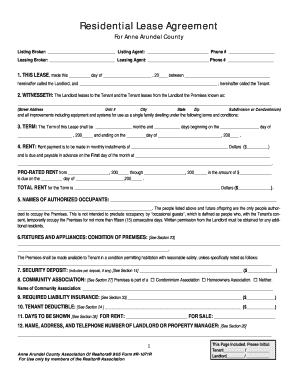
A refund agreement sample is a document that outlines the conditions under which a refund is granted. It typically specifies the circumstances required for a refund, eligibility criteria, and any relevant legal requirements. This document serves as a template for structuring refund policies across various business agreements. By providing a standardized format, it ensures clarity and consistency when dealing with financial transactions requiring refunds.
A refund agreement sample often includes key elements such as the parties involved, product or service description, refund conditions, and any limitations or exclusions. It is designed to offer a clear understanding of the refund process to all stakeholders, reducing the likelihood of disputes. This sample can be customized to fit specific needs and legal contexts.
How to Use the Refund Agreement Sample
Using a refund agreement sample involves several key steps that help ensure the agreement meets the specific requirements of your business or personal situation. First, identify the primary purpose of the agreement and the scenarios under which it will be used. This can range from customer transactions, service agreements, or specific product sales.
Review and customize the sample template to match the specifics of your transaction. Adjust sections related to refund conditions, timelines, and any other applicable clauses. It is essential to verify that all legal requirements are met and aligned with your region's consumer protection laws. Finally, present the finalized agreement to other parties, ensuring mutual understanding and acceptance before any transaction occurs.
How to Obtain the Refund Agreement Sample
To obtain a refund agreement sample, there are multiple avenues available. Many online platforms and legal service providers offer templates that can be downloaded and customized. Ensure that the source is reputable and that the template complies with the legal standards applicable to your jurisdiction.
Alternatively, seek the expertise of a legal professional who can create a tailored agreement specific to your needs. This option is often more costly but ensures that the document accurately reflects the legal nuances of your situation. With either approach, it is crucial to review the document carefully and make any necessary adjustments based on your specific requirements.
Steps to Complete the Refund Agreement Sample
-
Review the Template: Begin by thoroughly reading the entire refund agreement sample. Familiarize yourself with the structure and identify sections relevant to your situation.
-
Identify Required Information: Determine what specific details are necessary for inclusion, such as the parties' names, descriptions of goods or services, and refund conditions.
-
Customize Clauses: Modify any pre-existing clauses to align with your unique terms and requirements. This may include adjusting timelines, refining conditions, or setting compliance standards.
-
Legal Compliance Check: Ensure that the document complies with local laws and regulations pertaining to refunds. This may involve consulting with a legal expert.
-
Finalize the Document: Review the completed agreement for accuracy and completeness. Make any final edits or adjustments before sharing the document.
-
Signature and Approval: Present the agreement to all parties involved for review and signature. Confirm that each party understands and agrees to the terms outlined.
Key Elements of the Refund Agreement Sample
-
Parties Involved: Clearly outline the entities participating in the agreement, specifying the roles of each party (e.g., refund provider, recipient).
-
Description of Goods/Services: Provide an exact description of the goods or services eligible for a refund, ensuring no ambiguity.
-
Refund Conditions: Define the conditions and situations where a refund will be granted. Include specifics like time limits, product condition, and documentation required.
-
Exclusions and Limitations: State any circumstances under which a refund would not be applicable, such as product misuse or specific age restrictions.
-
Legal and Regulatory Compliance: Ensure that the agreement is in compliance with local laws and industry standards. Incorporate any legal terms necessary for enforceability.
Eligibility Criteria
Eligibility for refunds can vary widely depending on the nature of the product or service and the terms set within the agreement. Ordinarily, conditions such as purchase date, product condition, and adherence to the terms of use impact eligibility.
-
Purchase Date: Refund claims typically must be made within a specific timeframe from the purchase date.
-
Product Condition: The item must often be returned in its original condition or packaging, without any alterations or damage.
-
Documentation: Proof of purchase and other supporting documents may be necessary to validate a claim.
Assess eligibility criteria thoroughly before committing to a refund agreement to ensure all conditions can be reasonably met by both parties.


State-Specific Rules for the Refund Agreement Sample
Refund regulations can differ considerably between states, affecting how the agreement should be structured. Some states may have stringent consumer protection laws that mandate particular refund practices.
-
California: Businesses may be required to offer cash refunds for defective products.
-
New York: Specific disclosures about restocking fees or conditions may be obligatory.
-
Texas: The state may enforce a more lenient refund policy, where service contracts allow early termination under certain conditions.
Reviewing and understanding the local regulations for each state where the agreement will be applied ensures compliance and reduces legal risks.
Legal Use of the Refund Agreement Sample
The legal application of a refund agreement sample is paramount, as it serves as a binding commitment among parties. Ensure that the document is signed and executed by all relevant parties to be legally enforceable.
-
Document Execution: Properly executed documents should include the date of execution, signatures of all parties, and any additional authentication, such as notarization if required.
-
Dispute Resolution: Include language on how disputes will be resolved, specifying mediation, arbitration, or legal action as potential avenues.
Ensure both parties retain a copy of the signed agreement to avoid discrepancies and facilitate future reference. Legal compliance, accuracy, and clarity in the document's language all serve to protect the interests of all parties involved.