




01. Edit your form online
Type text, add images, blackout confidential details, add comments, highlights and more.

Type text, add images, blackout confidential details, add comments, highlights and more.

Draw your signature, type it, upload its image, or use your mobile device as a signature pad.

Send it via email, link, or fax. You can also download it, export it or print it out.
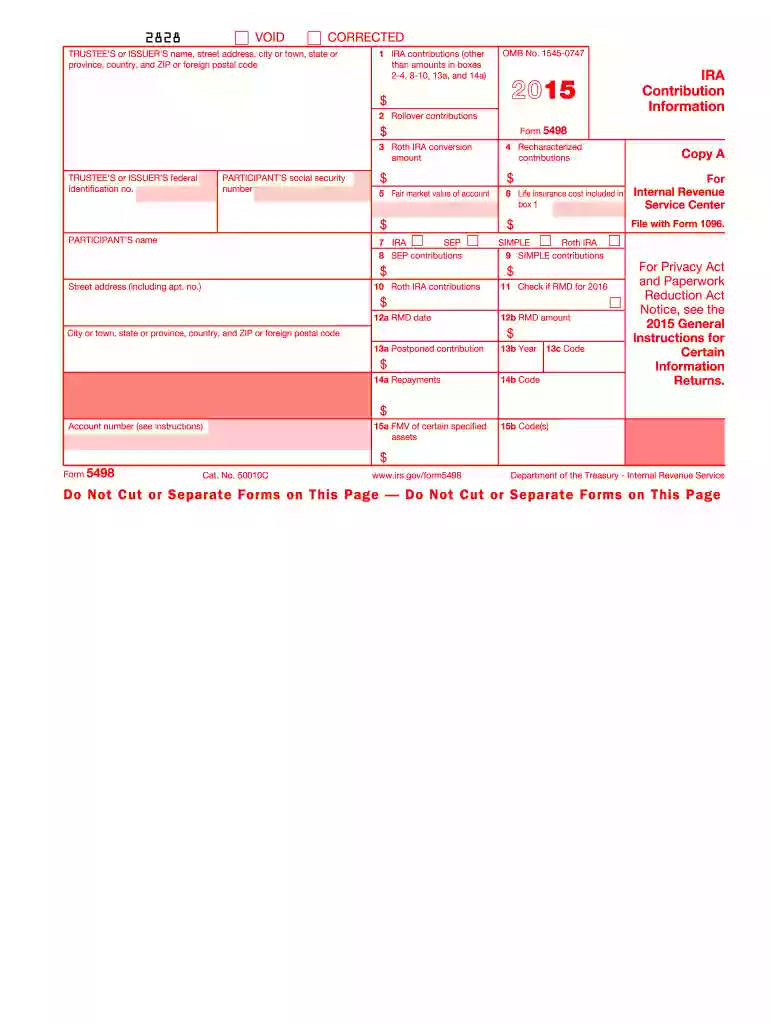
The trustee or issuer of your Individual Retirement Arrangement (IRA) plays a crucial role in managing and reporting various aspects of your retirement account. This entity is responsible for maintaining the integrity of the account, ensuring that all transactions comply with IRS regulations. The term "trustee" generally refers to a financial institution or bank that holds the assets in the account, whereas the "issuer" typically pertains to investment firms that offer specific financial products within the IRA.
Understanding who your trustee or issuer is, and their responsibilities can ensure that your retirement plan is managed effectively and meets legal requirements.
Using the trustee or issuer for reporting involves a structured communication process where the institution provides necessary data about your IRA contributions, distributions, and fair market value. Here’s how this typically works:
These reports enable account holders to ensure their contributions and withdrawals are accurately recorded and comply with tax regulations.
Completing the trustee or issuer report involves several steps to ensure that all information needed by the IRS is accurately prepared:
Adhering closely to these steps helps maintain compliance and avoids potential penalties.
Familiarity with key terms associated with IRA reporting is vital for managing your retirement funds efficiently:
Understanding these terms helps you navigate the complexities of IRA reporting.
Adhering to the filing deadlines is crucial for maintaining compliance with IRS requirements:
Not meeting these deadlines can result in penalties and complications with the IRS.
Failure to report IRA transactions accurately can result in significant penalties:
Understanding these consequences emphasizes the importance of diligent reporting and compliance.
Several critical components must be present in reports filed by the trustee or issuer of your IRA:
Including these elements ensures thorough and accurate reporting.
The IRS provides specific guidelines for trustees and issuers in managing and reporting IRAs:
Following these guidelines helps secure tax advantages and maintains compliance.
We've got more versions of the trustee or issuer of your individual retirement arrangement (IRA) to report form. Select the right trustee or issuer of your individual retirement arrangement (IRA) to report version from the list and start editing it straight away!
| Versions | Form popularity | Fillable & printable |
|---|---|---|
| 2025 | 4.9 Satisfied (40 Votes) | |
| 2024 | 4.8 Satisfied (51 Votes) | |
| 2023 | 4.4 Satisfied (59 Votes) | |
| 2022 | 4.3 Satisfied (47 Votes) | |
| 2021 | 4.8 Satisfied (88 Votes) | |
| 2020 | 4.4 Satisfied (203 Votes) | |
| 2019 | 4.3 Satisfied (176 Votes) | |
| 2018 | 4.1 Satisfied (74 Votes) | |
| 2017 | 4.5 Satisfied (21 Votes) | |
| 2017 | 4.2 Satisfied (54 Votes) | |
| 2016 | 4.4 Satisfied (94 Votes) | |
| 2015 | 4.1 Satisfied (42 Votes) | |
| 2014 | 4.2 Satisfied (30 Votes) | |
| 2013 | 4.2 Satisfied (69 Votes) | |
| 2012 | 4 Satisfied (28 Votes) |
At DocHub, your data security is our priority. We follow HIPAA, SOC2, GDPR, and other standards, so you can work on your documents with confidence.



Internal Revenue Service by the trustee or issuer of your individual retirement arrangement (IRA) to report regular or rollover contributions made to your
The information on Form 5498 is submitted to the Internal Revenue Service by the trustee or issuer of your individual retirement arrangement (IRA) to report


