System request template 2026

Get Form
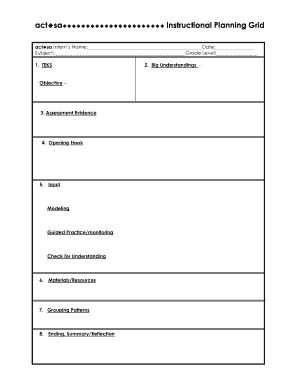
system request document Preview on Page 1

Here's how it works

01. Edit your system request document online
Type text, add images, blackout confidential details, add comments, highlights and more.

02. Sign it in a few clicks
Draw your signature, type it, upload its image, or use your mobile device as a signature pad.

03. Share your form with others
Send system request template via email, link, or fax. You can also download it, export it or print it out.

Definition and Meaning

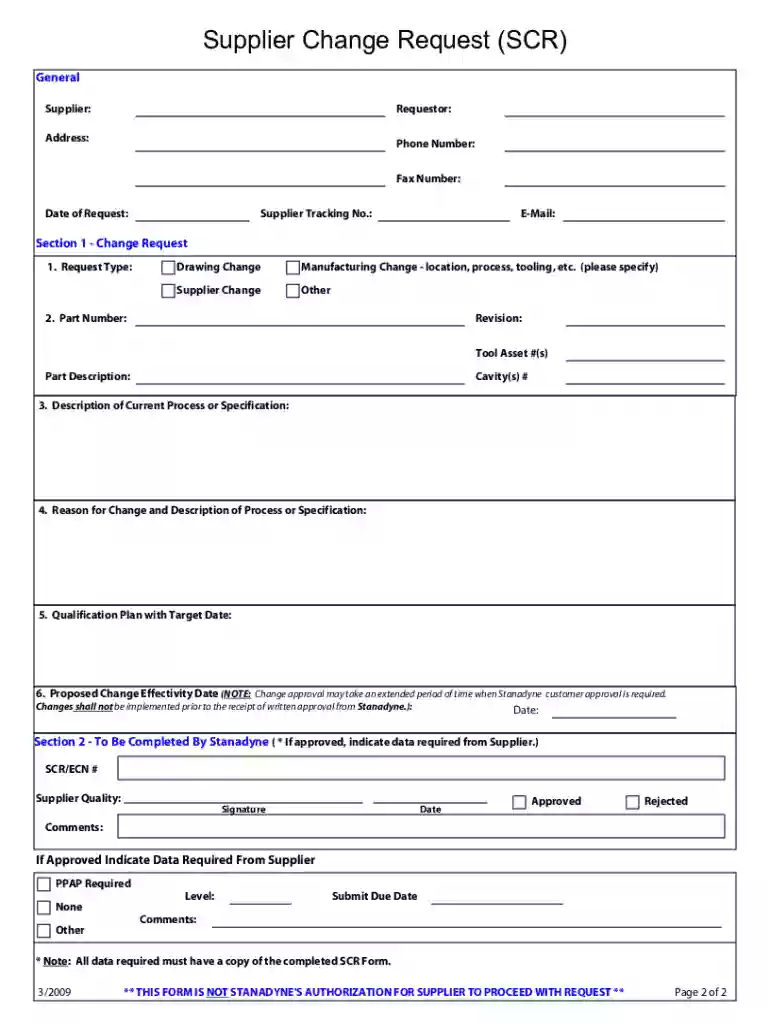
A "system request template" serves as a structured tool for gathering essential details about a system change request. Typically utilized in IT and business environments, it helps streamline the process of proposing and implementing system changes. The template is designed to capture the scope of the request, reasons for the change, potential impacts, and necessary resources. By standardizing information, it ensures clear communication among stakeholders and aids in efficient decision-making.

Key Elements of the System Request Template

A comprehensive system request template includes several critical components:

  • Requestor Information: Identifies the person or department making the request, including contact details.
  • Project or System Name: Specifies the system affected by the request.
  • Description of Change: Details the proposed modification, improvement, or enhancement.
  • Justification for Change: Explains the rationale behind the request and its anticipated benefits.
  • Impact Analysis: Considers the potential effects on existing processes, systems, and users.
  • Resource Requirements: Identifies staffing, budget, and time necessary for implementation.
  • Approval Section: Provides a space for necessary sign-offs from authorized personnel.

Each part plays a vital role in offering a comprehensive view of the request, facilitating a well-informed approval process.

Steps to Complete the System Request Template

Completing a system request template involves several systematic steps to ensure accuracy and clarity:

  1. Identify the Purpose: Determine the main objective of the system change.
  2. Gather Necessary Information: Collect data on the current system, proposed changes, impacts, and required resources.
  3. Complete Each Section: Fill out the template sections with detailed and relevant information.
  4. Collaborate with Stakeholders: Engage with affected parties for input and validation.
  5. Review and Revise: Analyze for completeness and accuracy, making necessary adjustments.
  6. Submit for Approval: Present the finalized document to decision-makers for evaluation and approval.

Following these steps helps ensure that the request is clear, complete, and actionable.

How to Use the System Request Template

Using a system request template effectively involves understanding its structure and purpose:

  • Start by introducing the purpose of the system change.
  • Fill in the details of the requestor and the affected system.
  • Describe the changes and justify their implementation.
  • Conduct an impact analysis to foresee potential consequences.
  • Ensure clear documentation of resource needs.
  • Involve relevant stakeholders and acquire necessary approvals within the form itself.

Being methodical in using the template guarantees that all aspects of the system change are considered, leading to a more seamless adaptation process.

Benefits of Using the System Request Template

Utilizing a system request template offers several significant advantages:

  • Standardization: Provides a consistent format for all system change requests, promoting uniformity.
  • Efficiency: Reduces time spent on creating and reviewing requests, expediting the decision-making process.
  • Clarity: Ensures all necessary details are captured, reducing ambiguities and misunderstandings.
  • Accountability: Clarifies roles and responsibilities, with defined sections for authorization and approvals.
  • Documentation: Preserves a record of changes requested, enabling future reference and learning.

These benefits contribute to more effective management of system changes, supporting organizational agility and responsiveness.

Important Terms Related to System Request Templates

Several key terms are frequently associated with system request templates:

  • Change Management: The process of managing system changes to minimize disruption and maximize benefits.
  • Stakeholder: Any individual or group affected by the system change or involved in its implementation.
  • Approval Workflow: The sequence of reviews and authorizations required before a change request is accepted.
  • Impact Assessment: Analysis of the potential effects a change may have on existing systems and processes.

Understanding these terms helps users navigate and complete system request templates more effectively.

Examples of Using the System Request Template

Practical examples of using a system request template include:

  • Software Upgrades: An IT department uses the template to request updates to a company's software platforms, detailing benefits and expected downtime.
  • Process Enhancements: A business unit proposes automation of a manual process using the template, elaborating on cost savings and efficiency gains.
  • New Feature Implementation: A product team submits a request for a new feature in a digital product, including user feedback supporting the need for the enhancement.

These scenarios demonstrate how varied applications of the template can facilitate strategic improvements across different contexts.

Software Compatibility and Digital vs. Paper Version

System request templates can be used in both digital and paper formats, depending on organizational preferences:

  • Digital Version: Offers flexibility for edits, easier sharing among multiple stakeholders, and integration with project management software like Jira or Trello.
  • Paper Version: May be beneficial for organizations with stringent documentation requirements for physical records or those without digital infrastructure.

Choosing the right format depends on the organization's resources, compliance needs, and operational preferences. Digital solutions often offer better compatibility with project management tools and electronic record-keeping systems.

State-Specific Rules for the System Request Template

While system request templates are generally standardized across organizations, certain states or industries may have specific guidelines or compliance requirements. Understanding these nuances ensures:

  • Adherence to Local Regulations: State-mandated requirements for documentation and approval processes are met.
  • Industry Standards Compliance: Alignment with sector-specific standards, such as those found in healthcare or finance.

Being aware of and complying with any regional or industry-specific rules helps prevent legal issues and supports seamless integration of system changes.

be ready to get more

Complete this form in 5 minutes or less

Get form

Got questions?

We have answers to the most popular questions from our customers. If you can't find an answer to your question, please contact us.
Contact us
To fill out a system request form, you should provide accurate details including the project title, description of the need, estimated resources needed, anticipated benefits, and any applicable deadlines. Make sure to consult with relevant stakeholders for comprehensive input.
As with all writing, professional communications mandate attention to the specific writing context. Open with a proper salutation. Include a clear, short, and specific subject line. Close with a signature. Avoid abbreviations. Use a suitable format. Reread, revise, and review. Reply promptly. Use Reply All sparingly.
How to Write an SRS Document: 7 Steps Create an Outline or Use an SRS Template. Define your Products Purpose. Describe What Youre Building. Detail Your Specific Requirements. Assess Risk Using FMEA. Link User Stories and Tasks to High-Level Requirements. Deliver and Refine.

Security and compliance

At DocHub, your data security is our priority. We follow HIPAA, SOC2, GDPR, and other standards, so you can work on your documents with confidence.
Learn more
ccpa2
pci-dss
gdpr-compliance
hipaa
soc-compliance