




01. Edit your form online
Type text, add images, blackout confidential details, add comments, highlights and more.

Type text, add images, blackout confidential details, add comments, highlights and more.

Draw your signature, type it, upload its image, or use your mobile device as a signature pad.

Send it via email, link, or fax. You can also download it, export it or print it out.
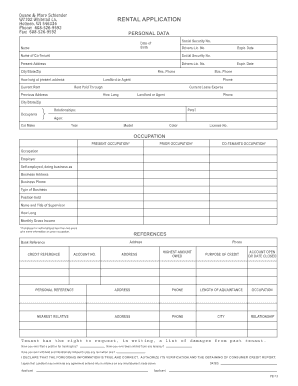
The "Confirmation of Vacating Premises Eviction Notice" is a formal document used by property managers or owners to formally acknowledge that a tenant has vacated a rental property. This notice typically states that the tenant has relinquished possession of the premises and any remaining personal belongings. It is an essential step in the eviction process, serving as proof that the property is now available for re-letting or another use. The confirmation provides clarity and assurance for both parties, documenting the property's turnover to prevent future disputes.
Several critical elements are typically included in a Confirmation of Vacating Premises Eviction Notice, ensuring clarity and legal soundness:
The legal use of this document varies by state, but generally, it serves as a binding record that the tenant has vacated the property. It protects property managers from liability related to tenant possessions and provides evidence for resolving potential disputes. It's crucial to ensure compliance with state-specific tenant-landlord laws to avoid legal repercussions. Some states might require this notice as part of the formal eviction process documentation.


State regulations can influence the requirements for vacating notices. Some states may mandate specific forms, timelines, and filing processes, while others might have lenient requirements. Property managers need to consult state and local housing regulations to ensure adherence to applicable laws. States like California and New York, for instance, have stricter rental regulations, potentially impacting the procedural aspects of eviction notices.
By ensuring comprehensive coverage of these topics, stakeholders involved in tenant-landlord relationships can navigate the vacating process with greater clarity and confidence.
We've got more versions of the Confirmation of Vacating Premises Eviction Notice form. Select the right Confirmation of Vacating Premises Eviction Notice version from the list and start editing it straight away!
| Versions | Form popularity | Fillable & printable |
|---|---|---|
| 2007 | 4.5 Satisfied (52 Votes) |
At DocHub, your data security is our priority. We follow HIPAA, SOC2, GDPR, and other standards, so you can work on your documents with confidence.



You must give a 30-day notice to vacate if your rental property is covered by the federal CARES Act.
An eviction proceeding is initiated by delivery of written notice to vacate to the tenant. Most landlords use the form notice to vacate provided by the courts.Read more
When a tenant refuses to vacate after the agreement expires, you cannot evict them yourself. First send a written notice to quit and vacate by registered post.Read more


