
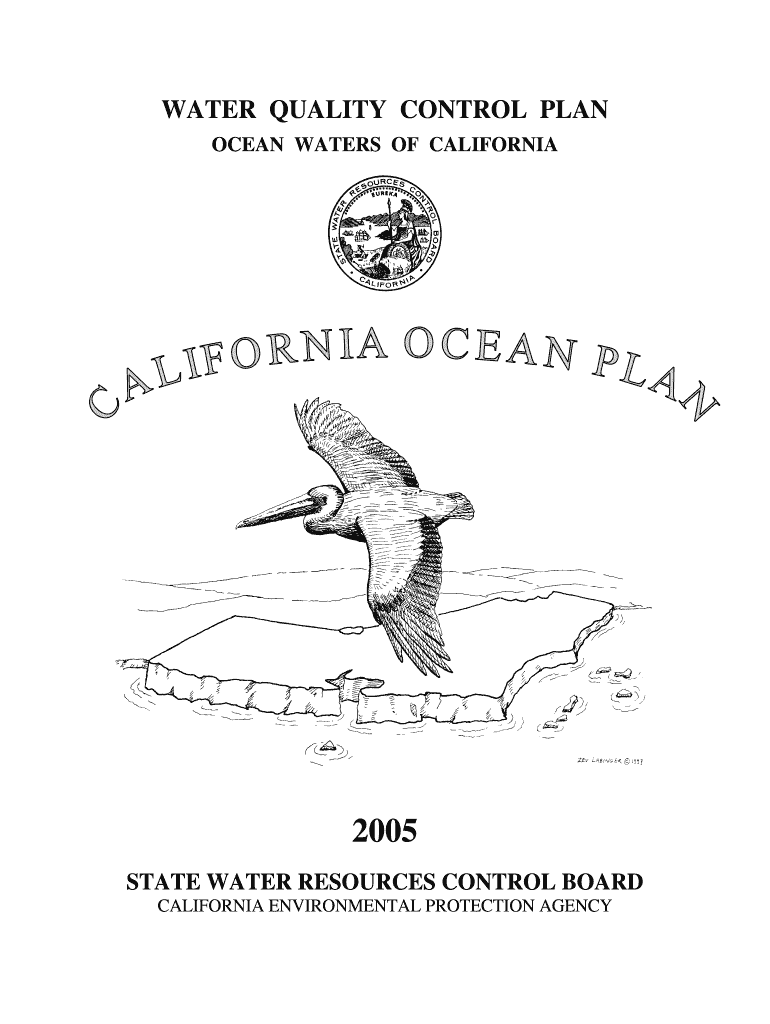







Definition & Importance of the Water Quality Control Plan
The Water Quality Control Plan for Ocean Waters of California is a strategic document that plays a crucial role in maintaining and improving the state's marine environments. Adopted by the State Water Resources Control Board, this plan defines objectives and standards to safeguard the quality of ocean waters against pollution. It is specifically designed to protect beneficial uses such as recreation, fishing, and marine habitat conservation. This section examines the necessity of such a plan to promote sustainable environmental practices and enhance the state's natural resources.
Objectives of the Water Quality Control Plan
- Water Quality Objectives: Establishes standards to minimize pollutants and manage waste discharge effectively.
- Protecting Beneficial Uses: Ensures water activities like recreation and fishing are not compromised by pollution.
- Monitoring Provisions: Includes guidelines for regular assessments to track the health of ocean waters in California.
Key Elements of the Plan
Understanding the key components is essential for proper implementation and compliance. This plan includes various elements to facilitate comprehensive water quality management.
Major Components
- Bacterial Standards: Sets limits to protect water contact recreation from harmful bacteria.
- Areas of Special Biological Significance (ASBS): Classifies ecologically sensitive regions requiring additional protection.
- Compliance with Federal Regulations: Aligns state objectives with national environmental protection goals.
How to Use the Water Quality Control Plan
For professionals and organizations involved in environmental preservation, navigating the use of this document efficiently is essential. This guide outlines practical steps.
Implementation Steps
- Identify Relevant Standards: Determine applicable standards for specific water bodies or activities.
- Conduct Regular Monitoring: Employ guidelines to carry out periodic testing and assessments.
- Submit Reports: Maintain compliance by submitting required documentation as specified in the plan.
Key Regulations and Legal Context
Understanding the legal framework surrounding the Water Quality Control Plan is crucial for stakeholders.
Legal Requirements
- Adherence to State Legislation: Ensure practices are aligned with California laws regarding water management.
- Federal Comparisons: Includes guidelines for operating under both state and federal environmental laws.
- Penalty Structure: Outlines consequences for non-compliance, emphasizing the importance of following the outlined procedures.
State-Specific Rules and Differences
California has unique coastal ecosystems and logistical challenges that make state-specific guidelines necessary for effective water quality control.
Distinctive Features
- Regional Standards: Recognizes the variability in coastal conditions across different parts of California.
- Customized Monitoring Protocols: Adaptation of monitoring practices to suit local environmental factors.
Process for Obtaining and Completing the Plan
Those tasked with implementing this plan need to understand how to access and fulfill its requirements.
Access Procedures
- Request from State Water Boards: Official channels for obtaining the document.
- Digital Availability: Downloadable versions available through recognized environmental portals.
Completion Steps
- Thorough Review: Initial step involves understanding all sections pertinent to your activity or area.
- Data Compilation: Gather relevant data to complete required sections.
- Feedback Mechanism: Involves iterating with authorities to ensure adherence and rectify any issues.
Who Typically Uses the Plan
The Water Quality Control Plan serves several groups who need to be aware of its stipulations and methodologies.


Target Audience
- Environmental Agencies: Regulatory bodies using the plan for monitoring state waters.
- Non-Profit Organizations: Those focused on marine conservation and advocacy.
- Industrial Entities: Businesses impacting coastal and ocean waters through operational discharge.
Practical Applications and Examples
The practical application of the Water Quality Control Plan can be seen across various sectors, highlighting its versatility.
Sector-Based Utilization
- Tourism: Ensuring beaches and recreational waters meet safety standards.
- Fisheries: Maintaining water quality to protect fishery resources.
- Urban Planning: Using the plan as a framework to incorporate sustainable practices in coastal development projects.
By covering these sections, stakeholders can ensure thorough understanding and application of the Water Quality Control Plan to promote effective environmental stewardship.




