







Definition & Meaning
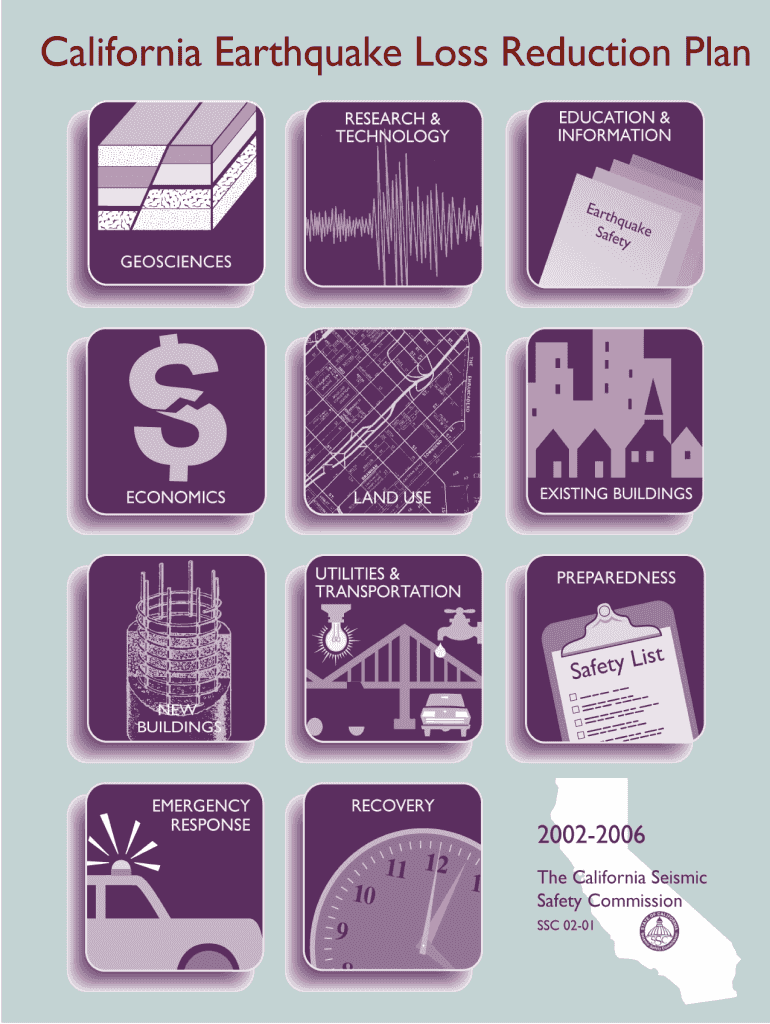
The "EQLossRedPlanMockup - California Seismic Safety Commission - seismic ca" refers to a prototype or preliminary version of a strategy aimed at reducing earthquake-related losses in California. Developed by the California Seismic Safety Commission, this plan targets minimizing risks associated with seismic activities by implementing effective safety measures across the state. The mock-up serves as a foundational blueprint, informing local agencies and stakeholders on improving building standards, enhancing emergency preparedness, and minimizing property damage and casualties.
Key Elements of the EQLossRedPlanMockup
- Risk Mitigation Strategies: The mock-up outlines specific strategies to mitigate earthquake risks, focusing on both structural and non-structural elements.
- Preparedness Initiatives: Emphasizes educational programs to raise public awareness and preparedness for potential seismic events.
- Building Standards Improvement: Proposes updated construction codes and guidelines to ensure new and existing buildings can withstand seismic forces.
- Response Protocols: Outlines protocols for emergency response and recovery efforts to improve readiness and efficiency.
Legal Use of the EQLossRedPlanMockup
The EQLossRedPlanMockup is legally utilized as a guiding framework for state agencies and municipal authorities in California. Its strategies are aligned with federal guidelines, ensuring that local measures adhere to national policies. The legal use also entails incorporating these strategies into local ordinances and building regulations to enforce compliance with safety standards, thereby safeguarding communities against seismic hazards.
Steps to Complete the EQLossRedPlanMockup
- Assessment of Current Risks: Conduct thorough assessments of existing seismic vulnerabilities in different regions.
- Stakeholder Collaboration: Engage local governments, structural engineers, and community organizations to gather input and ensure comprehensive coverage.
- Strategy Formulation: Develop detailed proposals for risk reduction and emergency response enhancements.
- Mockup Review and Feedback: Present the plan to stakeholders for review, feedback, and necessary revisions.
- Implementation of Recommendations: Integrate the finalized strategies into local regulations and practices.
Who Typically Uses the EQLossRedPlanMockup
The primary users of the EQLossRedPlanMockup include:
- State and Local Government Agencies: To develop and enforce seismic safety regulations.
- Construction and Engineering Firms: For aligning building designs with updated seismic safety standards.
- Emergency Management Professionals: To refine disaster readiness and response operations.
- Community Organizations: In promoting public awareness and preparedness initiatives.


State-Specific Rules for the EQLossRedPlanMockup
- California Building Code Integration: Ensures that all construction within the state complies with the seismic safety standards outlined in the plan.
- Local Ordinance Adoption: Each municipality is responsible for adopting the plan's strategies, tailored to their specific seismic risk profiles.
- Mandatory Retrofitting Requirements: Buildings identified as high-risk must undergo retrofitting to improve structural integrity per the plan's guidelines.
Examples of Using the EQLossRedPlanMockup
- Retrofitting Programs: Many cities have successfully implemented retrofitting initiatives, significantly reducing damage in recent seismic events.
- Educational Workshops: Various community groups have hosted workshops to educate residents on emergency preparedness and response tactics.
- Policy Revisions: Local governments have updated policy frameworks to include the plan's recommended safety protocols.
Important Terms Related to EQLossRedPlanMockup
- Seismic Retrofit: Enhancements made to existing buildings to improve resistance to earthquake forces.
- Risk Assessment: Evaluating the potential impact of seismic events on infrastructure and communities.
- Preparedness Measures: Actions taken to ensure readiness for an earthquake, including public education and emergency drills.
- Mitigation: Strategies developed to minimize the negative effects of earthquakes on communities and infrastructure.
Form Submission Methods
- Online Submission: Digital platforms, like DocHub, cater to the online editing and sharing of seismic safety reports and mockups.
- Mail or In-Person: Hard copies can be submitted to the California Seismic Safety Commission for verification and feedback.
By understanding these elements, stakeholders can effectively utilize the EQLossRedPlanMockup to safeguard California's communities against seismic threats.




