Statement of truth 2026

Get Form
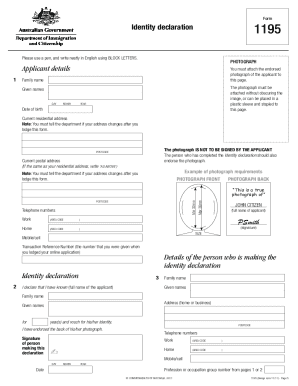
statement of truth Preview on Page 1

Here's how it works

01. Edit your statement of truth online
Type text, add images, blackout confidential details, add comments, highlights and more.

02. Sign it in a few clicks
Draw your signature, type it, upload its image, or use your mobile device as a signature pad.

03. Share your form with others
Send statement of truth via email, link, or fax. You can also download it, export it or print it out.

Definition and Meaning of a Statement of Truth

A statement of truth is a legal assertion that the information provided in a document is accurate and truthful to the best of the signatory's knowledge. This document is typically used in legal settings where an individual or a representative of a business must confirm the veracity of the statements made within a legal or official document. Such declarations carry significant weight, as they are often used in various legal proceedings and can subject the signer to penalties if found to be knowingly false.

How to Use the Statement of Truth

To use a statement of truth effectively, one must ensure that the content of the document is thoroughly reviewed and accurate. Individuals using this form should:

  1. Carefully read through the document to confirm that every statement is correct and backed by evidence if necessary.
  2. Identify and correct any errors or questionable information before signing.
  3. Sign the statement in the presence of a witness if required, which can provide additional verification of the document's legitimacy.

The use of this form requires a deep sense of responsibility and honesty, as the information presented influences decisions made by legal authorities or regulatory bodies.

Steps to Complete the Statement of Truth

Completing a statement of truth involves a systematic approach:

  1. Read Thoroughly: Ensure every portion of the document aligns with facts or evidence.
  2. Gather Required Information: Compile all necessary facts and documents needed to substantiate claims within the document.
  3. Fill Out Required Sections: Accurately complete each section that demands personal or contextual information.
  4. Cross-Verification: If applicable, have a third party review to minimize chances of error.
  5. Signature: Sign the document as required to formalize the verification of its truthfulness.

Completing these steps with precision is crucial to maintaining the integrity of the documented assertions.

Key Elements of the Statement of Truth

A statement of truth generally consists of several crucial elements:

  • Declarant Information: Name and contact details of the individual making the statement.
  • Declared Statements: Factual information or claims being asserted as true.
  • Legal Language: Explicit acknowledgment that the statement has legal implications if found false.
  • Signature Line: Space for the declarant's signature to affirm their understanding and acceptance of the document's truthfulness.
  • Date: The exact date when the statement was signed, serving as a timeline reference.

Each element is integrated to ensure that the document serves its purpose in a legal context.

Legal Use of the Statement of Truth

In legal contexts, a statement of truth is used to affirm the honesty of declarations made within:

  • Court Filings: Such as affidavits or other legal documents requiring verification.
  • Applications: For permits, licenses, or other government-related paperwork.
  • Contracts: To establish mutual agreement and confirmation of the terms described.

This form is essential in upholding the integrity of legal processes by providing a tool for accountability.

Penalties for Non-Compliance

Failling to comply with the accuracy requirements of a statement of truth can result in severe repercussions, including:

  • Criminal Charges: In cases of deliberate falsification or perjury.
  • Fines: Monetary penalties imposed by courts or regulatory bodies.
  • Legal Consequences: Adverse outcomes in legal proceedings potentially influenced by the document.

Understanding the seriousness of these penalties underscores the importance of maintaining honest and thorough declarations in a statement of truth.

Examples of Using the Statement of Truth

Here are practical instances where a statement of truth plays a central role:

  • Real Estate Transactions: Verifying the truthfulness of disclosures in property sales.
  • Litigation Processes: Presenting accurately-attested documents in court.
  • Insurance Claims: Initiating or supporting claims with necessary truthful information.

These examples highlight how statements of truth are vital across various sectors for legal and procedural integrity.

Who Typically Uses the Statement of Truth

The statement of truth is commonly utilized by:

  • Individuals: In personal legal matters or civil obligations.
  • Businesses: Preparing documentation for regulatory compliance, transactions, and contracts.
  • Legal Professionals: Drafting affidavits or evidentiary documents for court submissions.

Different users apply these forms according to their specific needs, enhancing the reliability of their communications within legal frameworks.


decoration image ratings of Dochub

State-Specific Rules for the Statement of Truth

Certain states may implement unique guidelines governing statements of truth:

  • Documentation Standards: Some states require certain information to be included for the statement to be valid.
  • Witness Requirements: Varies from signing in the presence of legal personnel to any credible adult.
  • Submission Procedures: States may differ in accepted methods for filing or using these documents within their legal systems.

Understanding state-specific distinctions ensures compliance with local laws and enhances the effectiveness of the statement.

be ready to get more

Complete this form in 5 minutes or less

Get form

Got questions?

We have answers to the most popular questions from our customers. If you can't find an answer to your question, please contact us.
Contact us
In the context of litigation, a statement of truth is a statement, to be included in any statement of case, witness statement, experts report and certain other documents, that confirms that the facts stated in the document are true.
Statement of truth The answer is Axiom.
Include a statement of truth at the beginning or end of your witness statement. This could be phrased as: I believe that the facts stated in this witness statement are true to the best of my knowledge and belief. You must sign and date this section, as it verifies that you stand by the truthfulness of your account.

Security and compliance

At DocHub, your data security is our priority. We follow HIPAA, SOC2, GDPR, and other standards, so you can work on your documents with confidence.
Learn more
ccpa2
pci-dss
gdpr-compliance
hipaa
soc-compliance
be ready to get more

Complete this form in 5 minutes or less

Get form