Definition & Meaning of Combined Tax Forms
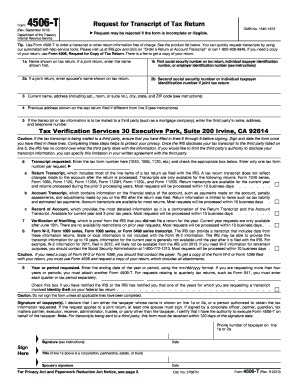
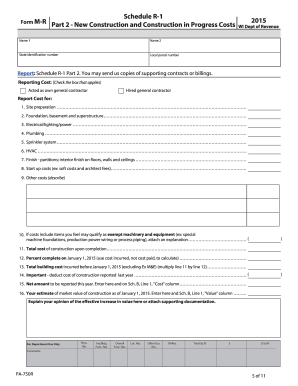
Combined Tax Forms typically refer to forms that consolidate multiple tax documents into a single filing, streamlining the process for taxpayers. These forms are designed to simplify reporting for individuals and businesses by reducing the paperwork and time involved in submitting multiple separate forms. The primary goal is to offer a more efficient method of complying with tax obligations, especially for those who might need to file various related tax documents.
Examples and Common Usage
- Individuals with multiple income sources, such as freelance work and dividends, might use combined forms to report all income streams in one document.
- Businesses that need to report different types of income, deductions, or credits often find combined forms helpful in maintaining organized and efficient tax records.
How to Use the Combined Tax Forms
Effectively using Combined Tax Forms involves understanding their structure and the specific requirements they address.
Steps for Usage
- Gather Necessary Information: Before beginning the form, collect all relevant documents such as W-2s, 1099s, and receipts for deductible expenses.
- Understand the Form Layout: Familiarize yourself with the sections of the form to ensure that all necessary information is correctly entered.
- Fill Out Each Section Accurately: Ensure that all calculations are correct and that information like taxpayer identification numbers and income sources are correctly listed.
- Review for Errors: Double-check for completeness and accuracy before submission. Errors can lead to processing delays or audit risks.
Tips for Accuracy
- Consider using tax software compatible with combined forms to minimize errors and speed up calculations.
- Keep a checklist of all items required for completion to avoid missing key information.
Obtaining the Combined Tax Forms
Acquiring Combined Tax Forms is a straightforward process, whether you prefer a digital or paper format.
Available Sources
- IRS Website: The primary source for federal Combined Tax Forms, ensuring they are always up-to-date with current regulations.
- Tax Preparation Software: Many tax software packages offer downloadable combined forms, already integrated into their systems for user convenience.
- Local Tax Offices: For paper copies, local IRS offices or tax assistance centers can provide the necessary forms.
Steps to Complete the Combined Tax Forms
Step-by-Step Guidance
- Identify Applicable Sections: Determine which parts of the combined form pertain to your personal or business tax situation.
- Input Data Precisely: Enter data carefully, ensuring correct alignment with form instructions.
- Calculate Taxes Due: Use provided worksheets and guidelines to compute taxes owed or refunds expected.
- Sign and Date: Don’t overlook signing the form, as an unsigned form is considered incomplete.
- Submit: File by the indicated deadline to avoid penalties.
Practical Example
For a freelancer with income from multiple clients, the combined form simplifies reporting by consolidating various Form 1099 entries into one comprehensive submission.
Key Elements of the Combined Tax Forms
Understanding the primary components of Combined Tax Forms is crucial for accurate completion.
Common Sections Found on the Forms
- Personal Information: Includes spaces for social security numbers, employer identification numbers, and addresses.
- Income Sections: Details different types of income from employment, investments, and other sources.
- Deductions and Credits: Allows taxpayers to list qualifying expenses that reduce taxable income.
- Tax Calculations: The section where taxpayers compute their total tax liability.
Variations and Additions
Sometimes these forms may include additional schedules or worksheets that cater to specific situations like large medical expenses or educational credits.
IRS Guidelines
Following IRS guidelines for Combined Tax Forms ensures compliance and minimizes the risk of audits.
Guidance Highlights
- The IRS provides detailed instructions accompanying each form, outlining who should use them and what information must be included.
- It’s critical to align form completion with the current year's guidelines as tax laws and regulations can change annually.
Audit Precautions
Accurate reporting and full compliance with instructions reduce the likelihood of drawing scrutiny from the IRS.
Filing Deadlines and Important Dates
Timely submission of Combined Tax Forms is essential to comply with tax regulations and avoid penalties.
Crucial Deadlines
- April 15: Generally, the deadline for individual income tax returns, though this can vary if it falls on a weekend or holiday.
- Four Estimated Payments: For some, quarterly payments might be required, and these have their own deadlines.
Extensions
If you anticipate difficulties in meeting the deadline, filing for an extension can provide additional time for submission, though it does not extend the payment due date.
Required Documents for Filing
Organizing essential documentation facilitates accurate and complete form submission.
Commonly Required Items
- Income Statements: Such as W-2s for employees and 1099s for contractors.
- Expense Records: Receipts or statements for deductible expenses, necessary for accurate reporting.
- Identification Numbers: Social Security Number (SSN) or Employer Identification Number (EIN).
These documents ensure all data entered is correct and verifiable, supporting a smooth filing process.
Legal Use of the Combined Tax Forms
Using Combined Tax Forms correctly ensures legal compliance with tax rules.
Compliance Measures
- Adhere strictly to form instructions and IRS guidelines in completing and submitting the forms.
- Store filed forms and related documentation securely, as they may be required for audits or future reference.
- Employ certified tax professionals if necessary, to assist with complex tax situations ensuring adherence to tax laws.