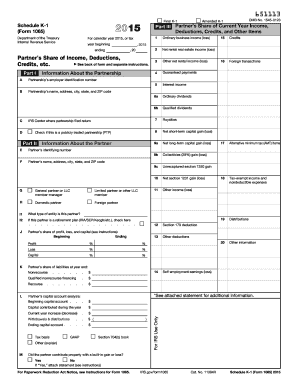
Definition and Purpose of Form 8952
Form 8952, also known as the Application for Voluntary Classification Settlement Program (VCSP), is utilized by employers who wish to reclassify certain workers as employees for federal tax purposes. This application facilitates voluntary compliance and enables qualifying taxpayers to minimize the financial implications of reclassification by enrolling in the VCSP. The form ensures compliance with IRS guidelines, specifically aimed at businesses intending to correct worker classifications without incurring hefty penalties.
How to Use Form 8952
This form is primarily used by businesses wishing to rectify past worker classification errors. The process involves submitting the form to apply for the VCSP, providing requisite information concerning worker reclassifications. Through this program, employers can achieve compliance by beginning to treat workers as employees for future tax periods, thus benefiting from reduced penalties.
How to Obtain Form 8952
Form 8952 is readily accessible from the Internal Revenue Service (IRS) website. Downloading the form directly from the IRS ensures that applicants are using the latest version, compliant with current federal regulations. Alternatively, taxpayers may utilize authorized tax preparation software that supports IRS form filings to access this form.
Steps to Complete Form 8952
-
Gather Basic Information: Start by collecting the business’s legal name, address, and employer identification number (EIN).
-
Detail Worker Information: Specify the workers to be reclassified and their roles. Include the classification used previously and the intended classification as employees.
-
Representation Inclusions: Ensure accurate representation by answering IRS-specific questions regarding compliance history.
-
Review Eligibility Criteria: Confirm that the application meets all VCSP criteria before submission.
-
Submission: Send the completed form to the address specified in the IRS instructions, ensuring no payment accompanies this initial submission.
Benefits of Using Form 8952
Filing Form 8952 offers distinct advantages to employers, particularly in mitigating financial risk associated with misclassification. Through the VCSP, businesses can:
- Achieve Compliance: Align with federal requirements by reclassifying workers as employees.
- Reduce Penalties: Gain eligibility for substantially reduced penalties on past taxes owed for misclassified workers.
- Future Tax Assurance: Secure a formal agreement that mitigates risk for future tax periods.
Who Typically Uses Form 8952?
Typically, Form 8952 is used by employers who have previously classified workers as independent contractors or non-employees but wish to reclassify them as employees moving forward. Businesses aiming to correct their payroll classifications without significant financial penalties usually apply. The form sees frequent use among small to medium-sized enterprises (SMEs) and large corporations across various sectors.
Eligibility Criteria for Form 8952
Eligibility for the VCSP through Form 8952 requires the business to meet several criteria:
- Current Non-Employee Classification: Workers to be reclassified should presently be treated as non-employees.
- No IRS or Department of Labor Investigation: Applicant businesses should not be under any current audits concerning worker classifications.
- Compliance with VCSP Terms: Agree to extend employee tax treatment for the reclassified individuals moving forward.


IRS Guidelines for Form 8952
The IRS outlines specific guidelines for filing Form 8952, emphasizing accurate completion and adherence to the VCSP conditions. Key IRS stipulations include:
- Timely Submission: The form should be submitted ahead of the business’s intended reclassification date.
- Correct and Complete Information: Ensure that all provided details align with IRS requirements to avoid processing delays.
- Ongoing Compliance: Commit to maintaining employee classification post-approval to sustain the benefits secured through the VCSP.
Filing Deadlines and Important Dates
Applicants must pay attention to submission timeframes to avoid procedural delays. While Form 8952 does not have a fixed annual deadline, it should be filed at least sixty days before the intended worker reclassification date to allow sufficient processing time. Timely filing accommodates VCSP approval and allows businesses to begin treating workers as employees by the anticipated tax period.
Form Submission Methods
Form 8952 can be submitted through traditional mail to the address specified in the IRS instructions, enabling applicants to forward necessary documentation securely. No online submission options are available directly through the IRS, emphasizing the importance of adhering to IRS mailing protocols for successful filing.
Key Elements of Form 8952
Several critical components must be carefully completed on Form 8952 to prevent rejection:
- Employer and Worker Information: Complete sections requiring company data and affected worker roles.
- Eligibility Representation: Include representations confirming compliance and acknowledging conditions of the VCSP.
- Signature and Certification: Provide authorized signature to certify the accuracy of the information submitted and agreement to comply with VCSP terms.
Penalties for Non-Compliance
Non-compliance with the VCSP terms after the approval of Form 8952 could lead to audits and potential penalties. Businesses that fail to maintain employee classification post-VCSP approval might forfeit their reduced penalty benefits, facing standard employment tax assessments and penalties. Therefore, adhering to program terms is vital for retaining the advantageous conditions agreed upon through the VCSP.
Software Compatibility
While Form 8952 must ultimately be submitted via mail, it can be prepared using IRS-approved tax software such as TurboTax or QuickBooks. These software solutions assist in organizing the necessary documents and ensuring accurate completion before print and mailing. Automated checks within these platforms help prevent common errors in form preparation, further aligning submissions with IRS expectations.