
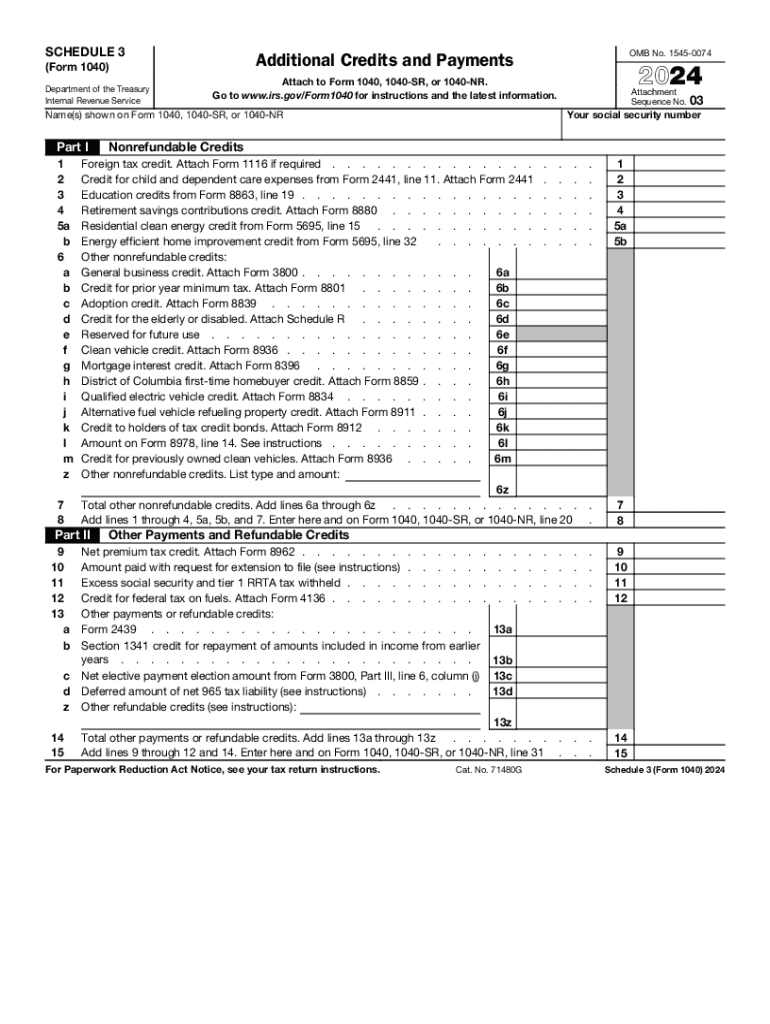







Definition and Purpose of Form 1040 Tax Tables (2024)
The Instructions for Form 1040 Tax Tables (2024) are an essential component for taxpayers completing their individual income tax returns. These tables are issued by the Internal Revenue Service (IRS) and serve as a guide for determining the amount of tax owed based on a taxpayer’s taxable income. The primary function of these tables is to provide an easy reference, ensuring taxpayers calculate their income tax liability accurately without having to perform complex computations. Using these tables helps in mitigating errors in tax calculations which could lead to penalties or issues with the IRS.
Components of the Tax Tables
- Income Ranges: The tables categorize income into specific ranges, making it straightforward to locate the bracket corresponding to a taxpayer’s taxable income.
- Filing Status: Different columns represent various filing statuses, such as single, married filing jointly, married filing separately, and head of household.
- Tax Amount: For each income range, the tax amount is listed, allowing taxpayers to quickly identify their tax liability.
How to Use the Instructions for Form 1040 Tax Tables
To effectively use the Form 1040 Tax Tables, taxpayers should first determine their taxable income after all deductions and exemptions. The steps below outline how to navigate these tables:
- Determine Filing Status: Identify your correct filing status as it affects the column to be used in the table.
- Locate Taxable Income Range: Find the row that corresponds to your calculated taxable income.
- Identify Tax Amount: Move horizontally across the row to the column of your filing status to find your tax amount.
These tables help ensure that each taxpayer calculates their taxes properly based on the most recent rates and brackets defined by the IRS.
Obtaining the Instructions for Form 1040 Tax Tables
Accessing the Instructions for Form 1040 Tax Tables is straightforward. These instructions and tables are available through multiple sources, ensuring they are accessible to every taxpayer.
Available Resources
- Online: Visit the IRS website where you can download a PDF version of the instructions, including the tax tables.
- Tax Preparation Software: Most tax software will integrate the tax tables automatically, ensuring calculations are based on the latest data.
- Physical Copies: Printed versions can be requested from the IRS or found at local libraries and post offices.
Key Elements of the Instructions for Form 1040 Tax Tables
Understanding the integral parts of the Instructions for Form 1040 Tax Tables is crucial for accurate tax completion.
Essential Sections
- Filing Status Definitions: Clarifies different statuses to help taxpayers know which column to use.
- Standard Deductions and Adjustments: Provides information on standard deductions applicable for different filing statuses.
- Tax Rate Schedules: Details marginal tax rate percentages for a more in-depth understanding beyond the tables.
Important IRS Guidelines
Adhering to IRS guidelines when using the tax tables is crucial for accurate tax reporting. These guidelines ensure compliance and prevent discrepancies:
- Accurate Information: Use exact numbers for income and deductions as estimations may lead to errors.
- Update Awareness: Be aware of yearly updates to tax laws and rates which can affect calculations.
- Record Keeping: Maintain thorough records of the sources of income, deductions, and tax payments.
Filing Deadlines and Important Dates
Adherence to deadlines is critical in tax filing:
- April 15: Traditional deadline for individual income tax returns, unless a holiday or weekend falls on this date, in which case the deadline may shift.
- Extensions: Request an extension by April 15 to extend filing to October 15, though tax payments are still due by the original deadline.
Required Documents for Using the Tax Tables
Before delving into the tax tables, ensure you have all necessary documents at hand:
- W-2 Forms: For wage and salary information.
- 1099 Forms: For additional income sources like freelance work or investments.
- Deduction Receipts: Evidence for claimed deductions, such as mortgage interest or charitable contributions.
Form Submission Methods: Online, Mail, In-Person
Various submission methods for Form 1040 offer flexibility:
- Online Filing: Via e-file services or through tax preparation software, which often integrate the tax tables directly in the filing process.
- Mail: Printed returns can be mailed to the IRS; ensure tracking for confirmation of receipt.
- In-Person: Utilize taxpayer assistance centers or seek help from a tax professional.
Penalties for Non-Compliance
Understanding the repercussions of non-compliance emphasizes the importance of accurate and timely filing:
- Failure-to-File Penalty: Typically calculated as a percentage of unpaid taxes for each month the return is late.
- Failure-to-Pay Penalty: Imposed for taxes that are not paid by the original deadline, increasing over time.
Awareness and understanding of the Instructions for Form 1040 Tax Tables (2024) are paramount for ensuring compliance with federal tax obligations.




