



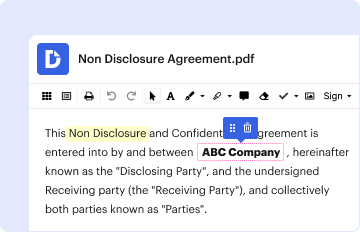
01. Edit your notarized verification of lawful presence online
Type text, add images, blackout confidential details, add comments, highlights and more.

Type text, add images, blackout confidential details, add comments, highlights and more.
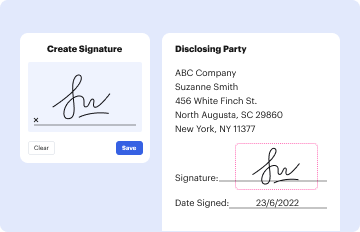
Draw your signature, type it, upload its image, or use your mobile device as a signature pad.

Send notarized verification of lawful presence form via email, link, or fax. You can also download it, export it or print it out.
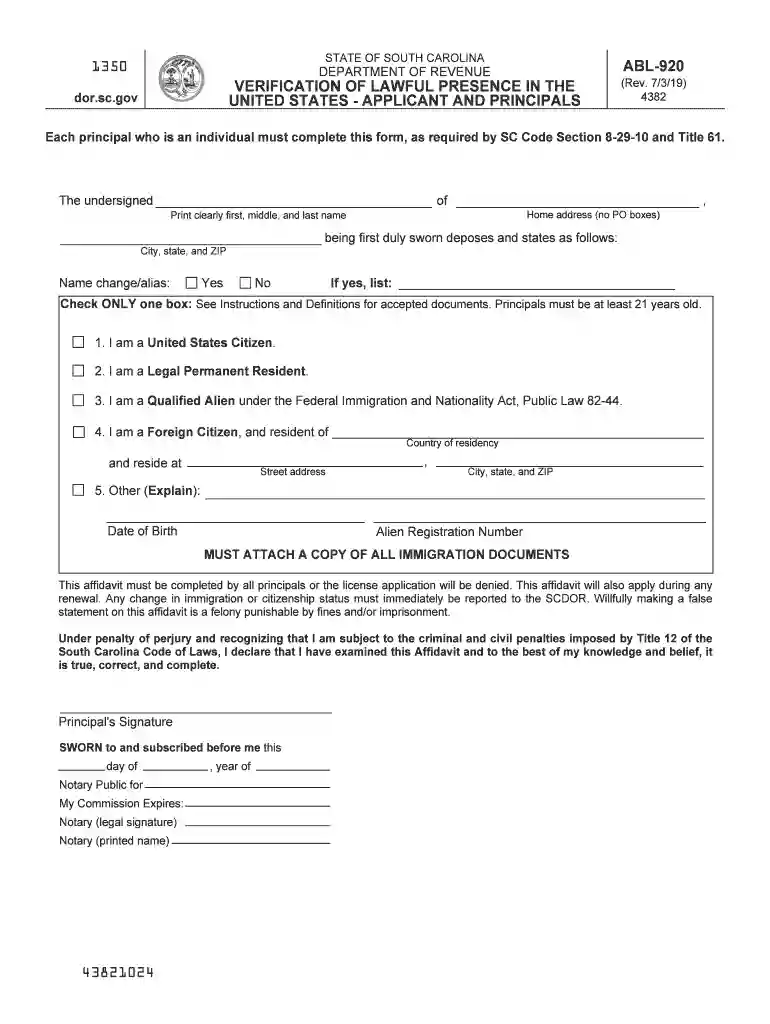
The South Carolina form verification presence is a critical document utilized by individuals when applying for licenses, particularly those that require confirmation of lawful presence in the United States. This form is generated by the South Carolina Department of Revenue and is designed to ensure that applicants are legally permitted to reside and operate within the state. The form collects essential information regarding the applicant's citizenship status and immigration details, ensuring compliance with both state and federal regulations.
Typically, the form requires individuals to verify their identity through supporting documentation, which may include a driver’s license, passport, or evidence of lawful immigration status. The importance of this form is highlighted by the penalties for providing false information, which underscores the need for accuracy and honesty in the application process. Those applying for certain licenses, especially in industries that are heavily regulated, must complete this form to fulfill legal requirements.
Completing the South Carolina form verification presence involves several structured steps to ensure accurate submission:
Obtain the Form: Download the verification of lawful presence form from the South Carolina Department of Revenue website or request a physical copy from the local office.
Review Requirements: Understand the documentation needed to demonstrate lawful presence. This typically includes identity verification documents such as a birth certificate or immigration papers.
Fill Out the Form: Enter all required personal information, including your name, address, date of birth, and details related to your immigration status. Ensure all entries are accurate to avoid processing delays.
Attach Supporting Documentation: Gather and attach copies of the required documents that verify your lawful presence. Ensure these are clear and legible to assist in the verification process.
Sign and Date the Form: Ensure you have signed and dated the form before submission. Your signature confirms the accuracy of the information provided.
Submit the Form: Depending on the requirements of your specific application, submit the completed form online, by mail, or in person, following the guidelines provided by the relevant authority.
The South Carolina form verification presence is widely used by various applicants needing to demonstrate their lawful status in the United States. Common users include:
Individuals Applying for Driver’s Licenses: All applicants seeking a South Carolina driver's license or ID card must complete this form and present valid documentation of their lawful presence.
Students: Non-citizen students enrolling in South Carolina schools may need to provide this form to confirm their status, especially when applying for state-funded scholarships or financial aid.
Professionals Seeking Licenses: Various professionals in regulated fields, including health care, education, and legal sectors, are often required to submit this verification as part of their licensing process.
Business Owners: Entrepreneurs applying for business licenses or permits within South Carolina must prove their lawful presence to comply with state business regulations.


Understanding the key elements of the south carolina form verification presence can help ensure successful completion and submission:
Personal Information Section: Applicants must provide their full name, contact information, and other identifying details.
Citizenship Status: This section requires applicants to indicate their citizenship status and provide supporting documents.
Verification of Identity: Applicants must attach copies of identification documents that affirm their lawful presence, such as a U.S. passport or green card.
Signed Certification: The form concludes with a certification requirement where applicants attest that the information provided is accurate; such verification is critical as false statements can lead to severe penalties.
The South Carolina form verification presence holds significant legal importance, as it aligns with state laws that mandate verification of lawful presence for specific applications. Its use serves several legal purposes:
Compliance with State Law: The form ensures applicants meet South Carolina's requirements, thereby enabling the state to enforce its laws regarding lawful residency and eligibility for certain rights and services.
Penalties for Non-Compliance: Failure to provide accurate verification can result in legal repercussions, including denial of applications, fines, or potential reporting of unlawful presence to authorities.
Impact on Public Resources: Legal use of the verification form ensures that public resources, such as education and health services, are provided fairly and appropriately, aligning funds with individuals who are legally present.
Understanding the required documents for the South Carolina form verification presence is essential to ensure compliance and avoid delays. Typically required documents include:
Proof of Identity: Applicants should provide at least one form of government-issued identification. Common examples include a driver’s license or a U.S. passport.
Evidence of Citizenship or Immigration Status: This can be demonstrated through documents such as a birth certificate for citizens, a green card for permanent residents, or visas for temporary residents.
Social Security Number: Applicants may be required to furnish their Social Security number or a statement of ineligibility if applicable.
Additional Documentation: Depending on individual circumstances, additional documents may be required, such as court orders or additional identification forms.
By gathering these documents thoroughly, applicants can facilitate a smoother verification process and increase the likelihood of successful application approval.
We've got more versions of the notarized verification of lawful presence form. Select the right notarized verification of lawful presence version from the list and start editing it straight away!
At DocHub, your data security is our priority. We follow HIPAA, SOC2, GDPR, and other standards, so you can work on your documents with confidence.
All students must provide proof of citizenship or lawful presence in the United States to be eligible to enroll at Coastal Carolina University.Read more
Sep 15, 2022 Youll need your FEIN or SSN, License Number, and a Letter ID or copy of your last return. Tutorials are available at dor.sc.gov/MyDORWAY.Read more
Nov 1, 2003 Savannah River Technology Center, Aiken, South Carolina. Online Approval was contingent upon a 5- year monitoring and verification periodRead more


