




01. Edit your form online
Type text, add images, blackout confidential details, add comments, highlights and more.

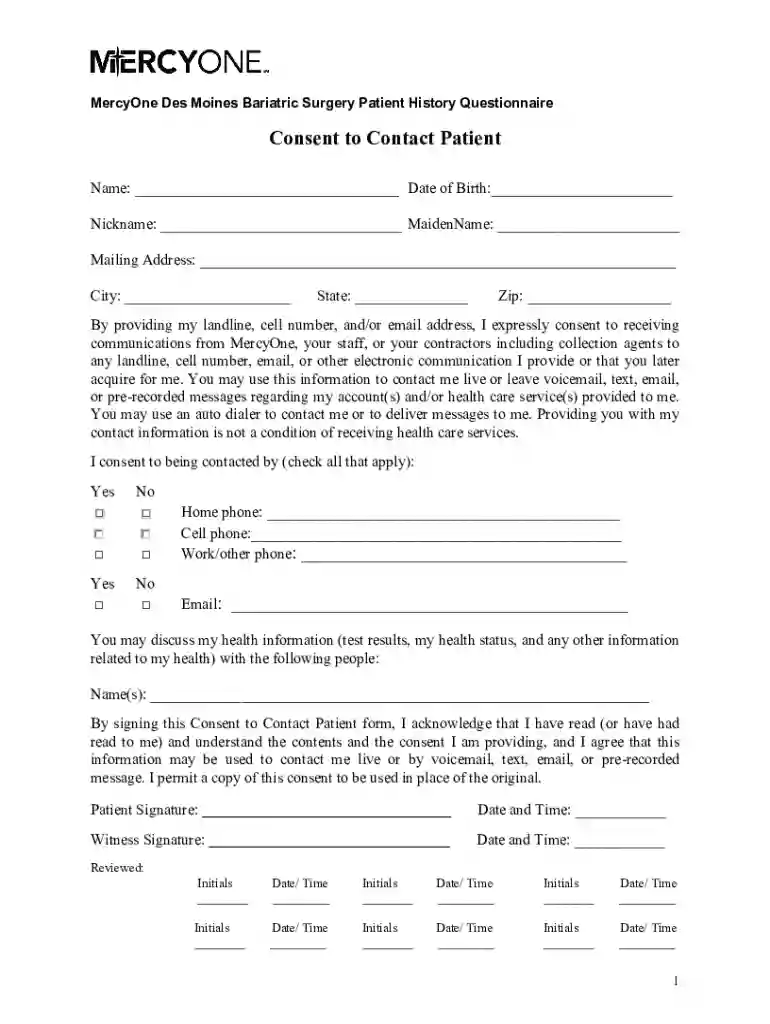
Type text, add images, blackout confidential details, add comments, highlights and more.

Draw your signature, type it, upload its image, or use your mobile device as a signature pad.

Send it via email, link, or fax. You can also download it, export it or print it out.
Bariatric surgery patient medical history refers to a comprehensive record that captures the health and medical background of individuals seeking bariatric surgery. This form is designed to collect critical information that influences surgical decisions and patient care. It includes sections such as personal information, medical and dietary history, lifestyle habits, and insurance details. By providing a detailed picture of the patient's health, this document helps healthcare professionals assess surgical risks and plan personalized care strategies.
The history often works in tandem with insurance requirements, ensuring that all necessary data is available to facilitate approval processes. A well-documented medical history is not just about previous medical conditions; it extends to lifestyle habits that might impact postoperative outcomes or necessitate behavioral changes.
The use of the bariatric surgery patient medical history form involves several critical steps that must be meticulously followed to ensure completeness and accuracy.
Gather Personal Information:
Complete Medical History Section:
Detail Dietary and Lifestyle Habits:
Insurance Information Completion:
Consent for Information Sharing:
Completing each section with precise information supports the surgical team in making informed decisions and ensures the patient receives optimal care tailored to their specific needs.
Several components are crucial in a bariatric surgery patient medical history, each serving a unique function:
Each element is designed to aid healthcare providers in crafting a comprehensive care plan tailored to the individual’s health needs and background.
Completing the bariatric surgery patient medical history form involves several detailed steps:
Prepare Relevant Information:
Fill Personal and Contact Information:
Document Medical History:
Record Dietary Habits and Lifestyle:
Provide Insurance and Consent Details:
By carefully following these steps, patients can contribute to a smoother surgical preparation and insurance approval process.
The legal aspects of using the bariatric surgery patient medical history are vital in maintaining compliance and ensuring patient rights. The collected data must adhere to patient confidentiality laws, such as HIPAA in the United States. This ensures that all patient information is used solely for intended medical purposes and securely stored.
Patients must consent to the sharing of their medical history with relevant parties, including surgeons and insurance companies. Consent forms are an integral part of the form, reflecting the patient's agreement to allow their data to be used in the context of surgical and insurance processes.
Additionally, falsifying information on this form can lead to denial of insurance coverage, compromised safety during surgery, and legal consequences.
The eligibility for bariatric surgery is determined by several factors, which are assessed through the patient’s medical history:
Meeting these criteria ensures that the patient is a suitable candidate for the risks and benefits associated with bariatric surgery.


Practical applications of this medical history form span various scenarios:
Real-world cases highlight how a detailed bariatric surgery patient medical history ensures a coordinated approach to patient care, enhancing both surgical outcomes and long-term health improvements.
While the fundamental elements of a bariatric surgery patient medical history are consistent nationwide, some U.S. states may have specific rules or regulations:
Understanding these state-specific nuances ensures that patients and healthcare providers fully comply with local regulations, facilitating an efficient and legally sound surgical process.
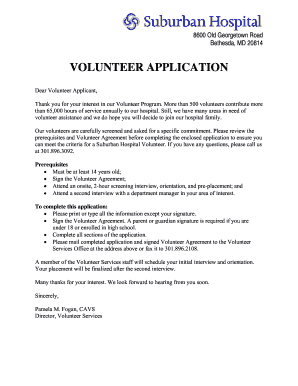
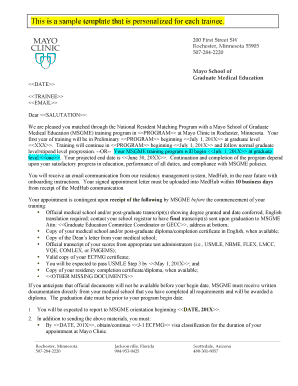
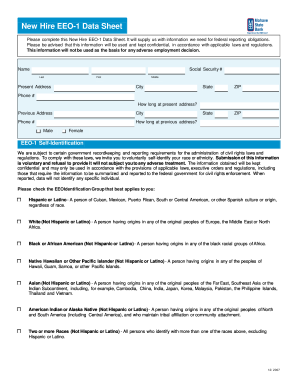
We've got more versions of the BARIATRIC SURGERY PATIENT MEDICAL HISTORY form. Select the right BARIATRIC SURGERY PATIENT MEDICAL HISTORY version from the list and start editing it straight away!
At DocHub, your data security is our priority. We follow HIPAA, SOC2, GDPR, and other standards, so you can work on your documents with confidence.


Many factors play a role in whether bariatric surgery is an option for you. They include your goals, medical history and readiness to change your lifestyle.Read more
by GR Faria 2017 Cited by 172 Historical reports claim that the first bariatric surgery was performed in Spain, in the 10th century. The first metabolic surgery is


