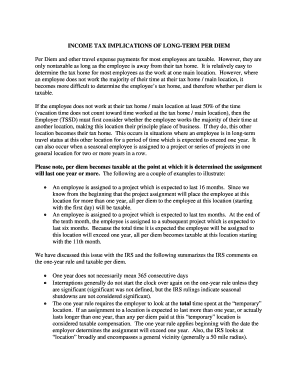
Definition and Purpose of Spring 2005 - California Coastal Commission - Coastal CA Form
The "Spring 2005 - California Coastal Commission - Coastal CA" form is specialized documentation used by the California Coastal Commission (CCC). The form is instrumental in gathering crucial data related to the coastal areas of California. Its primary purpose is to assess and regulate activities impacting these regions, ensuring that development and environmental preservation are balanced effectively. This form serves as a tool to enforce policies enacted to protect the coastal environment, address public access issues, and manage land use.
How to Use the Spring 2005 - California Coastal Commission Form
Utilizing the Spring 2005 form requires an understanding of its specific sections and their purposes. Users must meticulously fill out each section to provide comprehensive information about the proposed activities or developments. The form may include sections for detailing land use plans, environmental assessments, and community impact reports. Users should follow outlined instructions to complete each part accurately, ensuring that all responses adhere to the requirements set by the California Coastal Commission.
- Section one typically asks for background details about the applicant and the project proposal.
- Subsequent sections often focus on environmental impact, requiring thorough descriptions and supporting documentation.
- Users should provide evidence of compliance with state and federal environmental regulations where applicable.
Steps to Complete the Spring 2005 - California Coastal Commission Form
- Gather Necessary Documents: Start by collecting all required documentation, including environmental assessments, site plans, and existing permits.
- Fill Out Basic Information: Enter identification details and a summary of the proposed project or activity.
- Detail Environmental Impact: Provide a comprehensive analysis of the potential environmental impacts, including any mitigation measures planned.
- Submit Additional Materials: Include maps, charts, and photographs that support the information provided in the form.
- Review and Submit: Ensure all information is accurate and complete before submission. Submission can typically be done electronically, depending on the latest CCC guidelines.
Key Elements of the Spring 2005 - California Coastal Commission Form
Understanding the structure and essential elements of this form is crucial. The key components generally include:
- Applicant Information: Name, contact details, and affiliation with the project (e.g., developer, landowner).
- Project Description: Details about the project's scope, scale, and objectives.
- Environmental Impact Statement: Analysis of how the project affects the coastal ecosystem, both short-term and long-term.
- Mitigation Strategies: Plans and strategies to minimize negative environmental impacts.
- Compliance Documentation: Proof of adherence to relevant legal and environmental standards.
Important Terms Related to the California Coastal Commission Form
- Coastal Development Permit (CDP): A vital component for any project, outlining permissions required for coastal area development.
- Environmental Impact Report (EIR): A detailed document analyzing the potential environmental effects of a project.
- Public Access: Legal and physical access to coastal areas, often a focal point in form submissions.
- Mitigation Measures: Strategies to limit negative environmental impacts of a proposed project.
Legal Use and Responsibilities
Legal compliance is a cornerstone of using the Spring 2005 form. Applicants are required to adhere strictly to state regulations concerning coastal zone protection.
- Regulatory Compliance: Ensure the project aligns with the Coastal Act and other relevant state regulations.
- Public Notification: Projects impacting public access to coastal areas must be disclosed, ensuring transparency and community involvement.
- Inspection and Monitoring: The CCC may conduct inspections or request further information post-approval to ensure ongoing compliance.
State-Specific Rules for Coastal Projects
In California, coastal projects are subject to specific state rules outlined by the CCC. These rules aim to balance developmental needs with environmental preservation.
- Development Restrictions: Certain sensitive areas, like wetlands, might have strict development restrictions to preserve biodiversity.
- Public Access Requirements: Developers must often provide new opportunities for public access to the coast.
- Height and Design Regulations: Structural designs must consider and minimize visual impacts on the coastal landscape.
Examples of Using the Form for Specific Projects
Case studies and examples can illustrate how the form applies in real-world scenarios:
- Renewable Energy Projects: Documentation is used to assess and permit wind and solar installations along the coast.
- Marina Developments: Forms must include detailed environmental impact assessments for new marina projects.
- Public Infrastructure Improvements: Projects like coastal highway expansions require thorough analysis of habitat impacts and mitigation plans.
By following the process outlined and understanding the intricate details of each section, applicants can successfully navigate the requirements of the Spring 2005 - California Coastal Commission - Coastal CA form. This not only ensures compliance but also contributes to the sustainable development of California's precious coastal areas.