







Definition and Meaning
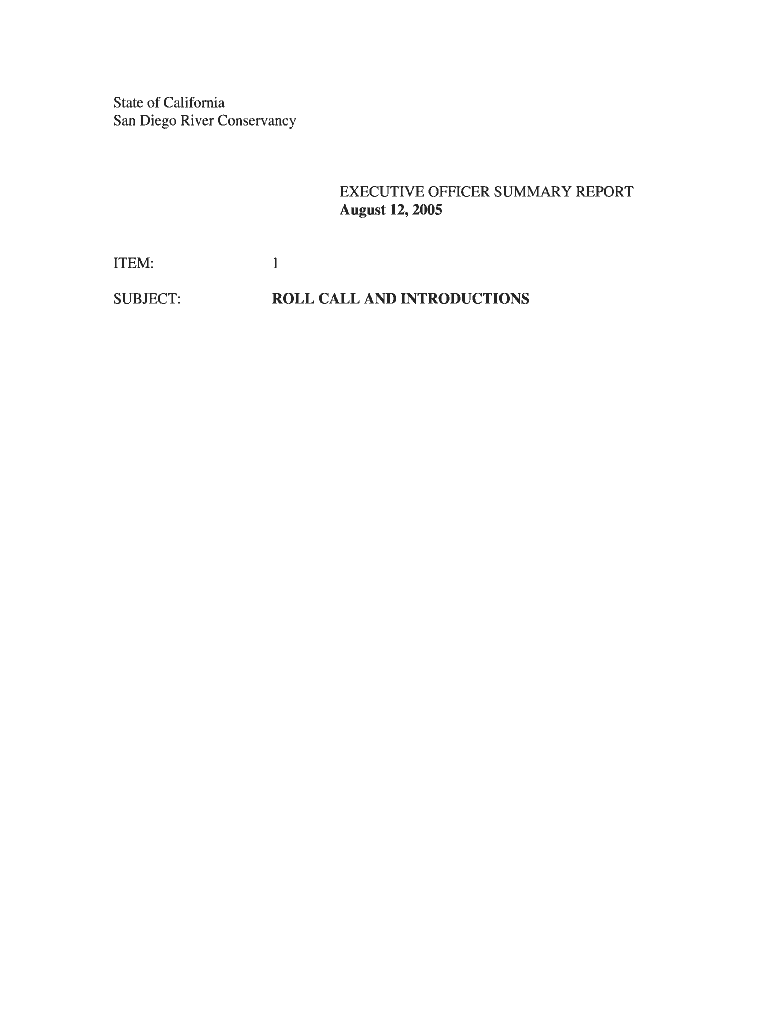
The "Master Document - first mailing - San Diego River Conservancy - sdrc ca" refers to a comprehensive document outlining initiatives, updates, and various procedural matters concerning the San Diego River Conservancy. This document serves as a pivotal communication tool to inform stakeholders, government agencies, and the public of the Conservancy’s roles, past activities, and future projects. It typically includes details about legislation, project funding, environmental plans, and collaborations necessary to sustain and enhance the San Diego River Basin.
How to Use the Master Document
Using the Master Document involves extracting relevant information to guide initiatives, decision-making, and stakeholder discussions. While utilizing this document, recipients should:
- Identify Relevant Sections: Prioritize sections that align with your interest or involvement, such as legislative updates, project announcements, or environmental assessments.
- Use for Grant Applications: Extract data for applications related to environmental and conservation grants.
- Facilitate Meetings: Employ the document's content to structure discussions in meetings or public forums about conservation efforts.
- Public Awareness: Share relevant portions with the wider community to raise awareness about ongoing and future plans for the San Diego River.
Steps to Complete the Master Document
Completing the sections of the Master Document thoroughly requires collaboration and adherence to several key steps:
- Data Gathering: Collect information on all ongoing projects, legal developments, and environmental assessments related to the San Diego River.
- Collaboration with Stakeholders: Engage with relevant governmental and non-governmental stakeholders to ensure comprehensive and updated content.
- Drafting and Editing: Prepare draft versions and circulate them for review to stakeholders for accuracy and completeness.
- Final Review and Approval: Ensure that the final draft undergoes a meticulous review process, with confirmation from all relevant authorities before dissemination.
- Distribution: Once completed, distribute via official channels to ensure all intended recipients have access.
Key Elements of the Master Document
Understanding the core elements of the Master Document is crucial for effective utilization:
- Executive Summary: Brief overview of major actions, pending projects, and future plans.
- Agenda Topics: Include meeting details, roll call information, and new resolutions.
- Project Updates: Details on ongoing or new projects, with timelines and expected impacts.
- Budget Information: Breakdown of funding sources and allocations, especially under measures like Proposition 40.
- Legal Matters: Updates on legal issues affecting the conservancy, including redevelopment impacts.
Legal Use of the Document
It is important to recognize the legal implications associated with information contained within the Master Document:
- Compliance: Adhere to legal standards as specified within the document for project implementation.
- Public Records: Understand that most sections are considered public records and must be accessible.
- Data Protection: Ensure confidentiality where applicable, especially internal memorandums and sensitive ecological data.
Examples of Using the Master Document
To better understand its utility, consider the following real-world scenarios resembling document usage:
- Policy Formulation: Utilized by policymakers to draft supportive legislation for river conservancy tasks.
- Environmental Review: Conservationists might leverage the document for impact assessments of planned urban developments near the river.
- Community Workshops: Facilitators could use select portions to educate local communities on the benefits of upcoming river projects.
State-Specific Rules
Given that this document concerns the San Diego River Conservancy, compliance with California state regulations is mandatory:
- Environmental Regulations: Must comply with California’s environmental quality standards and urban planning laws.
- Funding Requirements: All listed projects should adhere to California’s guidelines for public finance and grant usage.
- Public Access: Abide by California’s public access laws, ensuring pertinent sections of the document are publicly accessible.
Collecting Community Feedback
Consider implementing structured means for gaining feedback from the community to incorporate within updates to the document:
- Surveys: Initiate surveys to gather community sentiments regarding proposed conservancy measures.
- Public Forums: Host town hall meetings to discuss contents and gather direct public input.
- Digital Platforms: Use online seminars or feedback submission forms on official websites to broaden reach.




