







Definition and Meaning
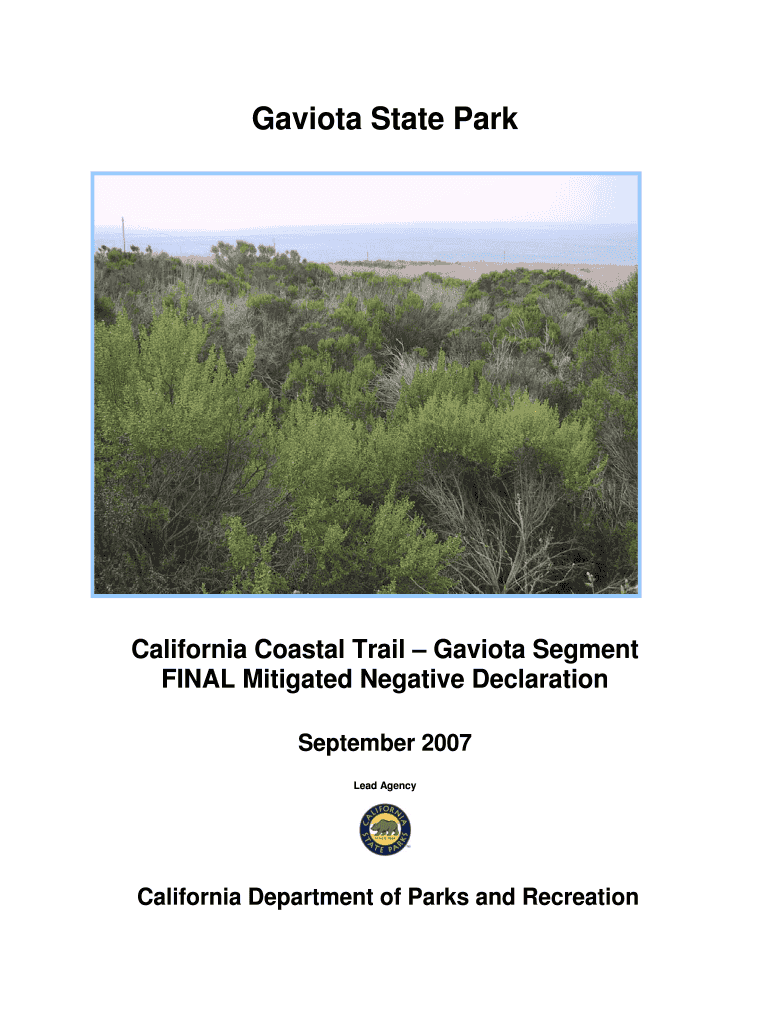
The Gaviota State Park California Coastal Trail within California State Parks is a proposed multi-use project aimed at enhancing recreational access while preserving local ecosystems and cultural resources. This initiative is planned by the California Department of Parks and Recreation to construct a paved trail approximately 4 km long, offering both pedestrian and equestrian pathways. It serves as a part of the larger California Coastal Trail system that seeks to provide continuous public access along the coast and promote enjoyment of the state's natural scenery.
How to Use the Trail
Users of the Gaviota State Park California Coastal Trail will experience a well-designed recreational corridor. This trail is intended for multiple types of outdoor activities:
- Hiking and Walking: Accessible year-round, perfect for casual walks or more vigorous hikes.
- Equestrian Use: A designated lane for those wishing to explore the trail on horseback.
- Scenic Views and Photography: It provides numerous vantage points for capturing the diverse coastal landscapes.
- Educational Opportunities: Ideal for school groups or nature enthusiasts wanting to learn about coastal ecology and conservation efforts.
Steps to Complete a Visit to the Trail
- Plan Your Visit: Check for any trail advisories or weather conditions. Make sure to have proper attire and equipment for hiking or horseback riding.
- Transport Options: As the trail is within Gaviota State Park, consider how you will reach the park—options include driving or using public transport.
- Trail Map: Obtain a detailed trail map from the park's visitor center or download one from the California State Parks website.
- Follow Trail Guidelines: Respect all trail signs, stay on designated paths, and adhere to park rules to preserve the environment and ensure safety.
Who Typically Uses the Trail
The Gaviota State Park California Coastal Trail attracts a diverse group of users:
- Local Residents: Seeking a retreat into nature for exercise and relaxation.
- Tourists and Travelers: From other states or countries, interested in exploring the California Coast.
- Conservationists and Ecologists: Who might be researching local species or the impact of human activity on natural habitats.
- Educational Groups: Schools and universities often use the trail for field studies.


Important Terms Related to the Trail
- California Coastal Trail (CCT): A continuous trail network aimed at providing public access along the California coast.
- Mitigation Measures: Refers to strategies implemented to minimize the trail's impact on the environment.
- Multi-use Trail: A path designed for various recreational activities such as walking, cycling, and equestrian use.
- Equestrian Trail: A designated pathway developed specifically for horseback riding.
Legal Use of the Trail
Using the Gaviota State Park California Coastal Trail involves compliance with specific legal guidelines to protect both users and natural resources:
- Permits: Ensure any required permits for group activities or equestrian use are obtained.
- Environmental Protection Laws: Adherence to state laws regarding the conservation of flora and fauna within the trail’s vicinity.
- Park Rules: Includes regulations on littering, staying on paths, and interactions with wildlife.
Key Elements of the Trail Project
- Trail Design: Inclusive of varied terrain suited for different user needs, such as paved and natural sections.
- Environmental Considerations: Detailed evaluation and incorporation of methods to mitigate ecological impact, like habitat restoration and erosion control.
- Public Engagement: Opportunities for community involvement in maintaining the trail and feedback on its use and effectiveness.
State-Specific Rules for Trail Use
California-specific regulations are applicable due to the Gaviota State Park's location:
- State Park Regulations: Comply with all state park rules which may include seasonal restrictions or conservation efforts.
- Wildlife Policies: Respect guidelines protecting local wildlife, especially during sensitive periods like nesting or mating seasons.
Examples of Trail Use
Real-world scenarios demonstrating how the trail serves diverse needs:
- Family Outing: A family could plan a day trip to the trail, enjoying hiking routes and picnic areas while learning about local flora and fauna.
- School Field Trip: An educational excursion might focus on teaching students about coastal ecosystems and conservation practices.
- Community Volunteer Event: Participants could engage in trail maintenance activities or environmental clean-up efforts.




