





Definition and Meaning
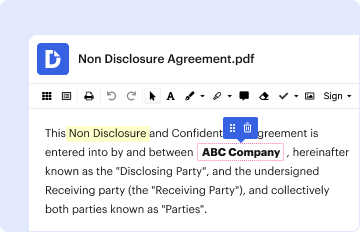
The term "form online" refers to the digital version of a document used to gather, process, or store information electronically. This process can range from simple surveys to complex data-gathering operations and can include legal, tax, or employment-related documents. Utilizing online forms helps streamline data collection and ensures that the information is captured efficiently and accurately. In today’s digital age, online forms are essential tools for businesses, government agencies, and individuals who want to facilitate interactions and transactions electronically.
How to Use the Form Online
Using an online form typically involves accessing the form through a web interface, either on a desktop, smartphone, or tablet. Here are the basic steps for utilizing an online form:
- Access the Form: Navigate to the website hosting the form, often provided through a link in an email or a direct website URL.
- Fill Out the Required Fields: Enter the necessary information accurately in each field. This may include personal details, financial data, or any other information pertinent to the form’s purpose.
- Review the Information: Before submission, review all entered information to ensure it's correct to avoid any errors that may affect processing time.
- Submit the Form: Click the submit button to send the form. Confirmation of receipt is usually provided immediately or sent via email.
- Save or Print Confirmation: If necessary, save a copy of the confirmation page or email for your records.
Steps to Complete the Form Online
Completing an online form can be straightforward if carefully followed. Here’s a step-by-step process:
- Step 1: Prepare Necessary Information: Gather all required documents or details beforehand, such as identification numbers or financial data.
- Step 2: Enter Your Information: Fill out each section of the form carefully. Double-check for accuracy.
- Step 3: Attach Supporting Documents: If the form requires additional documents (e.g., ID copies, other certifications), upload them using the form’s attachment feature.
- Step 4: Confirm and Agree to Terms: Read any terms and conditions provided. Confirm your understanding and agreement to proceed.
- Step 5: Submit the Form: Click the submit button to complete the process.
- Step 6: Verify Submission: Check for a confirmation message or email, ensuring the form has been received and processed.
Key Elements of the Form Online
Online forms generally share several key elements designed to facilitate easy and accurate data entry:
- Fields: Spaces where users input their information, such as text boxes, radio buttons, and drop-down menus.
- Instructions: Guidance on how to fill out the form correctly.
- Validation Checks: Automated processes to verify that information meets required formats (e.g., phone number formats).
- Security Features: Encryption technologies to protect sensitive information during transmission.
- Submit Button: A function to send the completed form to the appropriate party.
Important Terms Related to Form Online
Understanding common terms related to online forms can help users fill them out correctly:
- Encryption: A security measure for converting data into a coded format to prevent unauthorized access.
- Authentication: A process that verifies the identity of a user before they can access the form.
- Mandatory Fields: Required sections of the form that must be completed before submission.
- Captcha: A tool to distinguish between human users and bots.
Legal Use of the Form Online
Online forms are used in various legal contexts, such as contract agreements, consent forms, and tax filings. Their legality relies on adherence to specific regulations:
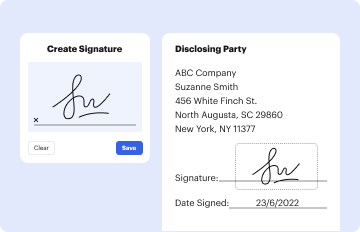
- Electronic Signatures: Governed by laws like the ESIGN Act, which ensure electronic signatures are as legally binding as their handwritten counterparts.
- Consent: Users often must consent to terms electronically, which then holds legal weight.
- Data Protection: Compliance with data protection laws, such as GDPR in Europe or CCPA in California, ensures user data is handled correctly.
State-specific Rules for the Form Online
Different states may impose unique requirements for the use of online forms, especially when they are related to legal or governmental submissions:
- State Tax Forms: Each state can have individual online tax forms, with specific requirements and deadlines.
- Business Registration: Procedures for business forms can vary, with state-specific online portals and guidelines.
- Professional Licensing: Often requires adherence to state-specific online processes for applications and renewals.
Examples of Using the Form Online
Online forms are ubiquitous and serve countless purposes across various sectors. Here are some practical examples:
- Job Applications: Applicants fill out forms online to apply for positions, allowing employers to streamline the recruitment process.
- Customer Feedback: Businesses collect feedback through online surveys to enhance products and services.
- Event Registrations: Participants sign up for events via online forms, enabling efficient management and planning.
Digital vs. Paper Version
While online forms offer numerous advantages, paper versions have distinct characteristics, particularly in specific contexts:
- Accessibility: Online forms provide instant access worldwide, whereas paper forms require physical distribution.
- Environmentally Friendly: Online forms reduce paper usage and waste.
- Data Processing: Digital submissions allow for faster data processing and integration into databases, while paper forms require manual entry.
- Security: Online methods can offer enhanced security through encryption and secure servers, whereas paper forms may be more vulnerable to loss or unauthorized access.