




01. Edit your online affidavit for tranfer of title without probate nevada online
Type text, add images, blackout confidential details, add comments, highlights and more.

Type text, add images, blackout confidential details, add comments, highlights and more.

Draw your signature, type it, upload its image, or use your mobile device as a signature pad.

Send nv dmv form vp 024 via email, link, or fax. You can also download it, export it or print it out.
An affidavit for transfer without probate in Nevada allows certain assets of a deceased person to be transferred to heirs without going through the probate process. This legal document is primarily used when an estate's total value is under a threshold, typically $20,000 in Nevada. Probate can be a lengthy and expensive process, so the affidavit provides a more streamlined method for transferring assets. It confirms that the affiant has a legitimate claim to the assets and that all known debts of the decedent have been settled. The use of this affidavit is limited to specific types of property, usually excluding real estate, and is subject to state-specific regulations.
The affidavit includes several crucial details that must be completed accurately:
Each section should be thoroughly completed to avoid delays or complications during the asset transfer process.
Using the affidavit involves several steps:
Filling out the affidavit accurately is critical:
The affidavit serves a specific legal function. It facilitates the straightforward transfer of minor assets without entering the Nevada probate court system, which operates under a tiered value threshold for estates. This document is legally binding and grants the affiant the right to claim and manage property or assets of the deceased when all legal criteria are met. Misuse or inaccurate completion of the form can lead to legal disputes, invalidation of the affidavit, or even penalties.
Understanding key terms is essential:
Familiarity with these terms ensures that users of the affidavit accurately understand its applicability and legal impact.
Nevada has specific guidelines for using an affidavit for transfer without probate:
Various scenarios illustrate the affidavit's practicality:
These examples highlight the affidavit's functionality in simplifying asset transfers in eligible estates.
At DocHub, your data security is our priority. We follow HIPAA, SOC2, GDPR, and other standards, so you can work on your documents with confidence.
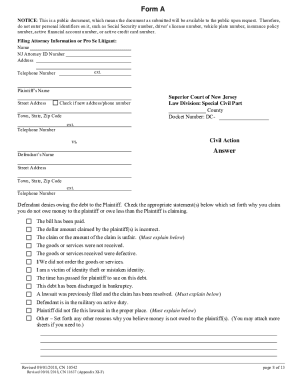
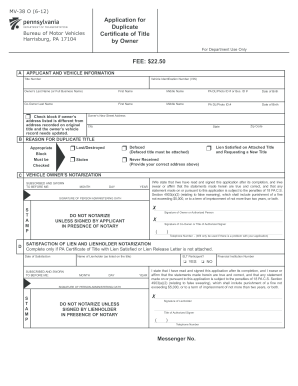
by W Kumagai 1979 146.080 provides , for transfer of estate assets without probate or administration, within Nevada is $5,000 or less, an affidavit of the
AFFIDAVIT FOR TRANSFER OF TITLE FOR ESTATES WITHOUT PROBATE. NRS 146.080. Pursuant to NRS 146.080, estates not exceeding the applicable amounts,Read more


