




01. Edit your security agreement online
Type text, add images, blackout confidential details, add comments, highlights and more.

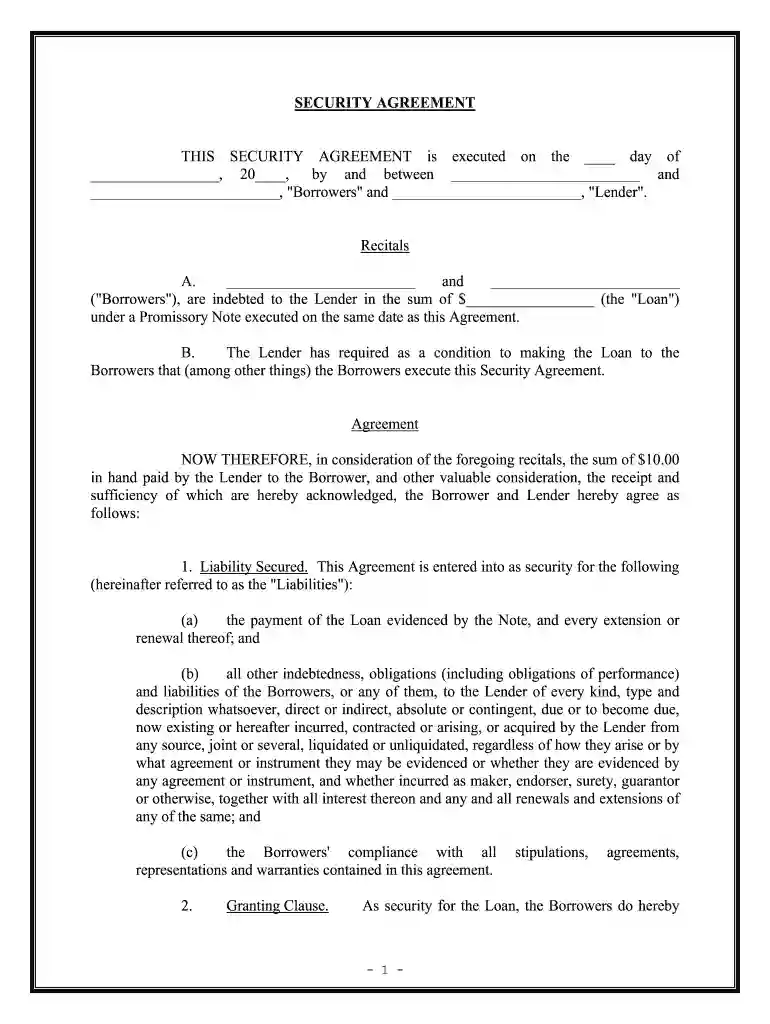
Type text, add images, blackout confidential details, add comments, highlights and more.

Draw your signature, type it, upload its image, or use your mobile device as a signature pad.

Send security agreement form via email, link, or fax. You can also download it, export it or print it out.
A security agreement is a legal document that outlines the terms under which a borrower offers collateral to a lender as security for a loan. It details the rights of the lender regarding the collateral, the borrower's responsibilities, and the events that can trigger the lender to take possession of the collateral. This document is fundamental in protecting the interests of both parties in a secured transaction, ensuring that lenders have a claim on specific assets if the borrower defaults on the repayment.
The security agreement typically specifies the collateral, which could range from real estate, inventory, equipment, or receivables that the borrower pledges. The agreement also includes clauses about maintaining security interests, events of default, and possible remedies for the lender. Through this document, the lender is granted a legal interest in the collateral, which they can exercise if the borrower fails to meet their obligations.
A well-crafted security agreement must include several critical elements to ensure it effectively protects the lender's interests.
Including these elements helps create a robust legal foundation that can prevent conflicts and ensure smooth enforcement of the agreement.
Obtaining a security agreement typically involves engaging with financial institutions or legal professionals. Here are some steps to follow:
Working with professionals in finance and law can streamline this process and ensure the agreement serves your financial goals while minimizing risks.
Completing a security agreement involves several key steps, requiring attention to detail to ensure all terms are spelled out clearly.
Each step carries legal repercussions, so meticulous attention is necessary to safeguard the interests of both parties involved.
The security agreement serves multiple legal purposes that help ensure the enforceability of the lender's interest in the collateral:
Understanding the legal implications of the security agreement is essential for both borrowers and lenders as it directly impacts the rights of possession and ownership of the pledged assets.
Security agreements are commonly used by various business entities and individuals who need to secure loans:
By understanding who typically uses these agreements, both parties in a transaction can better prepare for the obligations involved.


Different business types can leverage security agreements in various ways to enhance their financial strategy:
Each business type benefits differently, emphasizing the flexibility of security agreements to meet diverse financial needs. Understanding how to effectively use this tool can lead to more strategic financial management and growth.
While a security agreement can be used broadly, specific state laws can influence its terms and enforceability. These factors play a significant role:
Considering these state-specific rules when drafting and executing a security agreement can prevent legal challenges and ensure that the agreement is appropriately enforceable across jurisdictions.
In-depth understanding of these complexities not only ensures compliance but also optimizes the function and utility of the security agreement within the legal framework of different states.
At DocHub, your data security is our priority. We follow HIPAA, SOC2, GDPR, and other standards, so you can work on your documents with confidence.
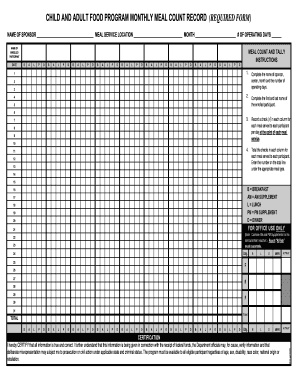

To secure the Obligations, the Debtor, as debtor, hereby assigns and grants to the Secured Party, as secured party, a continuing lien on and security interest
In the event of a security bDocHub or threat, COMPANY reserves the right, without prior notice to the User, to disable or disconnect some or all BYOD servicesRead more


