




01. Edit your safety orientation checklist online
Type text, add images, blackout confidential details, add comments, highlights and more.

Type text, add images, blackout confidential details, add comments, highlights and more.

Draw your signature, type it, upload its image, or use your mobile device as a signature pad.

Send safety orientation checklist via email, link, or fax. You can also download it, export it or print it out.
A Safety Orientation Checklist is a tool utilized for ensuring that new employees receive comprehensive training regarding workplace safety protocols. These checklists are designed to outline crucial safety measures, highlight potential hazards, and enforce the understanding of company-specific safety policies. The checklist serves as a structured guide that helps employers systematically cover all relevant safety topics, ensuring that employees are adequately informed.
The checklist typically includes sections on emergency response procedures, reporting injuries and illnesses, and the proper use of personal protective equipment (PPE). These elements are essential for promoting a safe workplace environment, reducing accidents, and ensuring compliance with occupational safety standards. By systematically addressing safety topics, the checklist fosters a culture of safety and responsibility among employees.
Using a Safety Orientation Checklist involves a structured approach to introducing new employees to workplace safety protocols. The process begins with scheduling an orientation session where the checklist will be reviewed. During this session, each item on the checklist should be discussed in detail, with emphasis on practical demonstrations where necessary.
Using visual aids and interactive sessions can enhance understanding and retention. Each section of the checklist should be checked off once it is fully covered to ensure no aspect is overlooked.
Completing a Safety Orientation Checklist involves a systematic process that ensures each aspect of workplace safety is addressed:
This process not only ensures compliance but also empowers employees with the knowledge to maintain a safe workplace.
The Safety Orientation Checklist comprises several key elements, each vital to workplace safety:
Each element is crucial for promoting awareness and reducing workplace hazards.
The Safety Orientation Checklist carries significant legal implications. Compliance with occupational safety regulations often mandates that such checklists be used as part of new employee training. Failure to adhere to these requirements can result in legal penalties and increased liability in the event of workplace accidents.
Employers are responsible for ensuring that the checklist is updated regularly to reflect changes in safety regulations and standards. Documentation of completed checklists provides evidence of compliance with safety training requirements, which can protect organizations during inspections or legal scrutiny.
The Safety Orientation Checklist is typically used by human resources professionals, safety officers, and managers within an organization. It is relevant for all industries, particularly those with heightened safety risks, such as manufacturing, construction, and healthcare. Businesses utilizing heavy machinery or hazardous materials find these checklists indispensable for maintaining high safety standards.
By using this checklist, companies aim to reduce workplace accidents, enhance employee safety awareness, and comply with regulatory requirements. This tool is essential for onboarding new hires and incorporating temporary or contracted workers into established safety protocols.


Practical examples of using a Safety Orientation Checklist include its deployment in varied workplace settings:
In each context, the checklist ensures that all potential risks are addressed, and employees are informed about the safety measures in place.
Safety regulations can vary significantly by state, necessitating state-specific adaptations of the Safety Orientation Checklist. For instance, California's Occupational Safety and Health Standards may differ from those in Texas, affecting required safety training protocols and equipment. Organizations must ensure that their orientation checklists comply with their respective state’s regulations, which might involve additional training modules or certifications.
Employers are advised to consult state safety guidelines when developing or updating their checklists to ensure comprehensive coverage and compliance with local laws, thereby minimizing risks and potential legal issues.
We've got more versions of the safety orientation checklist form. Select the right safety orientation checklist version from the list and start editing it straight away!
| Versions | Form popularity | Fillable & printable |
|---|---|---|
| 2011 | 4.6 Satisfied (66 Votes) |
At DocHub, your data security is our priority. We follow HIPAA, SOC2, GDPR, and other standards, so you can work on your documents with confidence.
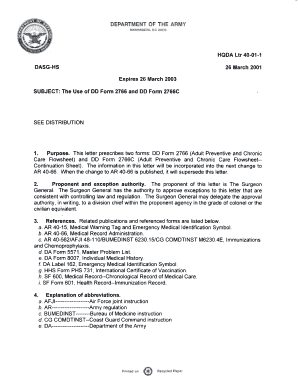
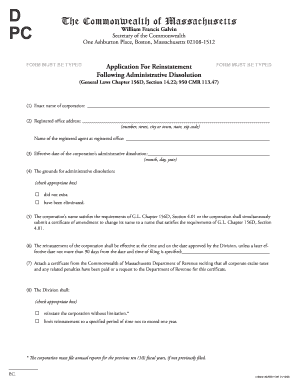
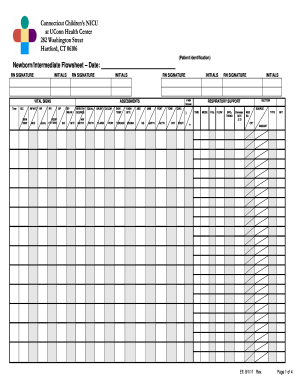


The NC State Safety Orientation Checklist provides an overview of health, safety and security topics for NC State employees and volunteers.
The new checklist-based template presented in this article introduces organizations to OSHMS implementation using the structure of ISO 45001 and the PDCA cycle.
Each employee must be given a safety orientation before beginning work. This checklist documents that each required item was explained to the employee.


