




01. Edit your form online
Type text, add images, blackout confidential details, add comments, highlights and more.

Type text, add images, blackout confidential details, add comments, highlights and more.

Draw your signature, type it, upload its image, or use your mobile device as a signature pad.

Send it via email, link, or fax. You can also download it, export it or print it out.
The 2024 I-152 Form 1NPR Instructions play a crucial role in assisting taxpayers with completing their Wisconsin Income Tax returns, specifically for nonresident and part-year residents. The form provides detailed guidance on how to accurately report income earned within Wisconsin and helps ensure compliance with state tax laws. Taxpayers must understand the distinct sections of the form, including how to differentiate between resident and nonresident income. This is essential for calculating the right amount of state tax due.
Eligibility for filing the Wisconsin Form 1NPR is mainly for individuals who earned income in Wisconsin but reside elsewhere or lived in Wisconsin only part of the year. Key criteria include:


Failure to comply with filing requirements of the Wisconsin I-152 Form 1NPR can result in penalties such as:
The standard deadline for filing the 2024 I-152 Form 1NPR is April 15, 2025, unless it falls on a weekend or holiday. In such cases, it moves to the next business day. Extensions may be granted for valid reasons, allowing taxpayers additional time to file.
While the IRS provides overarching federal tax guidelines, the state of Wisconsin has distinct rules relevant to the I-152 Form 1NPR. These guidelines detail:
The Wisconsin Form 1NPR is compatible with a variety of tax preparation software programs, including:
Utilizing software streamlines the filing process, mitigating errors and facilitating faster review by tax authorities.
We've got more versions of the 2024 I-152 Form 1NPR Instructions - Wisconsin Income Tax form. Select the right 2024 I-152 Form 1NPR Instructions - Wisconsin Income Tax version from the list and start editing it straight away!
| Versions | Form popularity | Fillable & printable |
|---|---|---|
| 2025 | 4.2 Satisfied (32 Votes) | |
| 2024 | 4.3 Satisfied (57 Votes) | |
| 2023 | 4.9 Satisfied (47 Votes) | |
| 2022 | 4.2 Satisfied (39 Votes) | |
| 2021 | 4.8 Satisfied (77 Votes) | |
| 2020 | 4.3 Satisfied (47 Votes) | |
| 2018 | 4.4 Satisfied (119 Votes) | |
| 2018 | 4.3 Satisfied (36 Votes) | |
| 2017 | 4.3 Satisfied (125 Votes) | |
| 2016 | 4.4 Satisfied (299 Votes) | |
| 2012 | 4.4 Satisfied (226 Votes) |
At DocHub, your data security is our priority. We follow HIPAA, SOC2, GDPR, and other standards, so you can work on your documents with confidence.
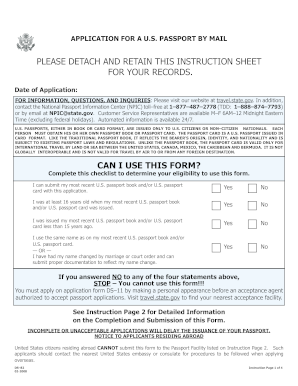



Wisconsin nonresidents and part-year residents continue to file using Form 1NPR. If you were married, you must file a return on Form 1NPR if the combined gross
Apr 15, 2004 I-152 Form 1NPR instructions, Wisconsin income tax for nonresidents and part-year residents Page 1 Filing Deadline is Thursday, April 15, 2004


