





Understanding the Concept of Form Online
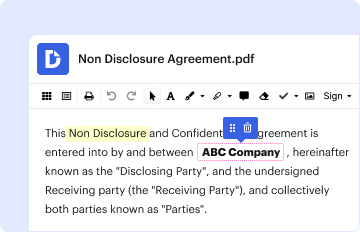
Forms online refer to digital documents that can be accessed, filled, submitted, and managed over the internet. These forms enhance efficiency by eliminating the need for physical paperwork and enabling rapid data collection and sharing. The term encompasses a wide range of documents, from application forms and surveys to legal contracts and tax filings. The accessibility of online forms allows users to complete necessary documentation from virtually anywhere, as long as an internet connection is available. This approach significantly streamlines administrative processes across various sectors.
Steps to Complete a Form Online
-
Access the Form: Begin by locating the appropriate form online. This might involve visiting a specific website, such as a government portal or a document service provider.
-
Fill Out Personal Information: Enter all required personal information accurately. Double-check spelling and ensure all mandatory fields are completed to avoid rejection.
-
Attach Necessary Documents: If the form requires additional documents (like identification or financial statements), ensure they are uploaded in the correct format.
-
Review and Confirm: Carefully review all entries for accuracy. Confirm the submission criteria to ensure everything is in order.
-
Submit the Form: Follow the instructions to submit the form online. After submission, you might receive a confirmation email or tracking number for future reference.
How to Obtain Forms Online
Forms can often be obtained through official websites of agencies, companies, or service providers that require documentation. For instance, tax forms are available on the IRS website, while employment and vendor forms might be found on a company's portal or HR system. Users can download forms directly or complete them through dedicated platforms like DocHub, which facilitate online editing and submission.
Why Should You Use Forms Online
Using forms online offers numerous advantages:
-
Efficiency: Completing forms online reduces processing time and accelerates administrative tasks.
-
Convenience: Forms can be filled out at any time from any location, making them ideal for busy schedules or remote interactions.
-
Accuracy: Digital forms often include validation features, helping to minimize errors before submission.
-
Environmentally Friendly: Reducing paper usage contributes to environmental sustainability.
Key Elements of an Online Form
-
User Information Section: Captures essential personal or business details.
-
Action Sections: Areas where users input data, make selections, or provide necessary documentation.
-
Instructions and Guidelines: Provide clarity on how to fill out the form correctly.
-
Submission Instructions: Details the process for submitting the form, including required fields.
Legal Use of Forms Online
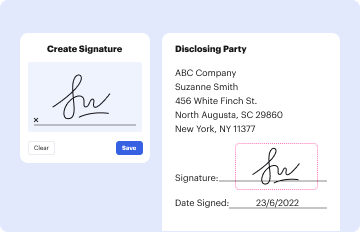
Online forms must comply with legal standards to be considered valid. This is particularly crucial for contracts and agreements that require electronic signatures. Under laws such as the ESIGN Act in the U.S., electronic signatures and records are given the same legal standing as their paper counterparts, provided certain conditions are met. It ensures that digital forms maintain the necessary legal enforceability.
Examples of Using Forms Online
-
Job Applications: Candidates fill out and submit application forms directly through corporate portals.
-
Vendor or Client Onboarding: Companies use online forms to gather initial information needed for onboarding processes.
-
Tax Filings: Individuals and businesses file taxes online using specific forms provided by tax agencies.
Required Documents for Online Forms
When completing an online form, several documents may be required, such as:
-
Identification Documents: Driver's license or passport for verification purposes.
-
Financial Documents: Bank statements or tax returns, especially for applications related to loans or financial aid.
-
Proof of Residence: Utility bills or lease agreements for address verification.
Form Submission Methods
Forms online are primarily submitted through web portals but can also be sent via email. Some organizations might still require physical copies to be mailed in addition to the online submission, especially when notarized signatures or hard copies are essential.