Definition & Meaning
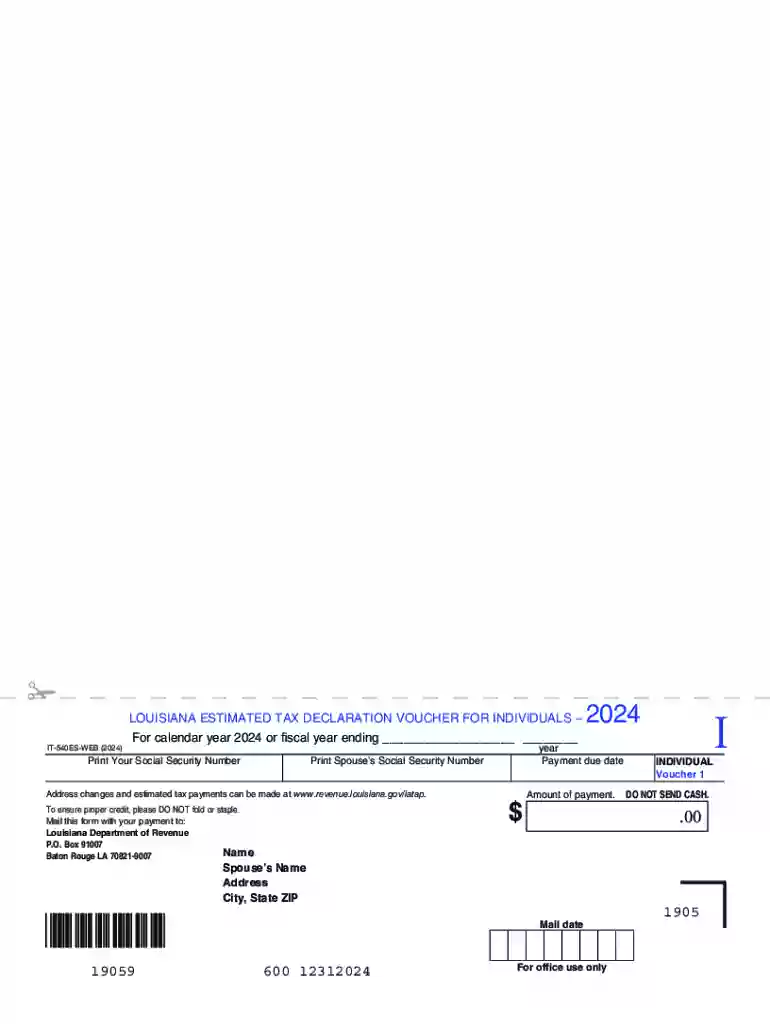
The "Provider Version of Form 80-300-11-3 Estimated Tax" is a specific document designed for taxpayers to declare their estimated tax obligations. This form is primarily utilized by individuals or businesses to report and remit tax payments on expected income that might not be subject to withholding tax. By using this form, taxpayers can manage their estimated tax payments more effectively and avoid potential penalties associated with underpayment.
Purpose and Importance
- Tax Planning: This form helps taxpayers in planning their tax obligations by providing a structure to estimate and report expected taxes accurately.
- Avoiding Penalties: By accurately declaring estimated taxes, users can avoid penalties for underpayment, which can occur if an insufficient amount is paid throughout the year.
- Financial Management: Ensures taxpayers allocate adequate resources to cover their tax liabilities, aiding in better financial management.
How to Use the Provider Version of Form 80-300-11-3 Estimated Tax
User Instructions
- Calculate Estimated Income: Before using the form, calculate the total income expected for the year. Include all sources of income that are not subject to withholding.
- Determine Tax Rate: Identify the tax rate applicable to your expected income bracket.
- Input Information: Enter personal or business details, followed by the calculated estimated income and tax rate to compute the estimated tax.
- Payment Details: Include details of payments made throughout the year, if any.
- Adjusted Calculations: If estimating taxes for subsequent quarters, adjust calculations based on income fluctuations.
Common Mistakes
- Incorrect Calculations: Double-check all computations to ensure accuracy.
- Missing Deadlines: Ensure submissions are made by the specified deadlines to avoid penalties.
Steps to Complete the Provider Version of Form 80-300-11-3 Estimated Tax
Step-by-Step Process
- Gather Documents: Collect all income statements, previous tax returns, and current year’s payment records.
- Fill Out Personal Information: Complete sections involving personal details such as name, address, and taxpayer identification number.
- Report Income Estimates: Enter all sources of income and calculate the aggregate figure.
- Calculate Estimated Tax: Using the applicable tax rates, compute the estimated tax amount.
- Submit Form: Based on the preferred submission method, either fill the form online or prepare it for physical mailing.
- Review: Double-check entries before submission to ensure all information is accurate.
- Record Keeping: Maintain a copy of the completed form for record purposes.
Key Elements of the Provider Version of Form 80-300-11-3 Estimated Tax
Core Components
- Personal Information Section: Includes taxpayer's basic details and contact information.
- Income Declaration: Space for itemizing various income sources and total expected earnings.
- Tax Calculation Section: Utilized for computing the tax using current rates and income projections.
- Payment Record: Section to detail payments made during the tax year.
Importance of Each Component
- Accuracy: Each component captures critical information necessary for tax estimation.
- Compliance: Ensures adherence to legal requirements by providing comprehensive financial data.
- Traceability: Facilitates audits and reviews by maintaining detailed and structured records.
Legal Use of the Provider Version of Form 80-300-11-3 Estimated Tax
Compliance Requirements
This form must be used in conjunction with IRS guidelines to ensure compliance with federal income tax regulations. Taxpayers are mandated to use official forms for accurate and legal reporting of estimated taxes.
- IRS Submission: Forms must align with IRS specifications and be submitted within mandated timelines.
- Record Maintenance: Taxpayers should retain both the filled form and proof of submission.
Legal Implications
- Non-compliance: Failure to accurately report estimated taxes may result in penalties.
- Reporting Accuracy: Misreporting can lead to audits or legal scrutiny from tax authorities.
Filing Deadlines / Important Dates
Key Date Overview
- Quarterly Deadlines: Generally, estimated tax payments should be made on a quarterly basis, with deadlines falling in April, June, September, and January of the following year.
- Year-end Adjustments: Any discrepancies or adjustments should be addressed before the final deadline to avoid penalties.
Importance of Adherence
- Avoid Late Fees: Ensuring payments are timely can help avoid additional charges or interest.
- Financial Planning: Knowing deadlines in advance aids in budgeting for tax payments.
Essential Documentation Checklist
Income Statements: W-2s, 1099s, or any proprietary earnings documentation
Previous Tax Returns: A reference to reconcile previous income estimates
Current Payment Records: Evidence of payments made up to the current date
Business Financials: For business filers, additional documents like profit and loss statements might be necessary.
Verification and Accuracy
- Cross-Verification: Ensure all documents are accurate and align with reported figures.
- Updates: Any changes in income or deductions should be reflected and documented.
Issuing Authority
The Provider Version of Form 80-300-11-3 Estimated Tax is issued by the state tax authority, which operates in conjunction with federal IRS regulations to manage tax declarations.
- State Departments: Each state may have variations in how the form is presented but follows a standard template.
- IRS Coordination: Works collaboratively with IRS to maintain consistency and compliance.
Role of the Issuer
- Guidance: Provides instructions and guidelines to taxpayers for accurate completion.
- Compliance: Ensures forms meet statutory requirements and aids in effective tax administration.